Top 10 Benefits of Using a Car Baler Machine?
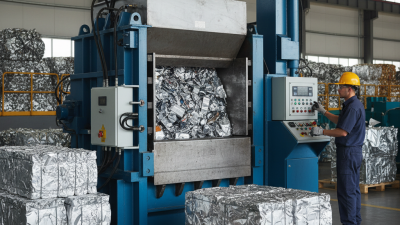
The Car Baler Machine is a crucial tool in the recycling industry. It efficiently compresses discarded vehicles into compact bales, saving valuable space. According to the Institute of Scrap Recycling Industries (ISRI), the U.S. scrap recycling industry supports over 1.1 million jobs and generates $110 billion in revenue annually.
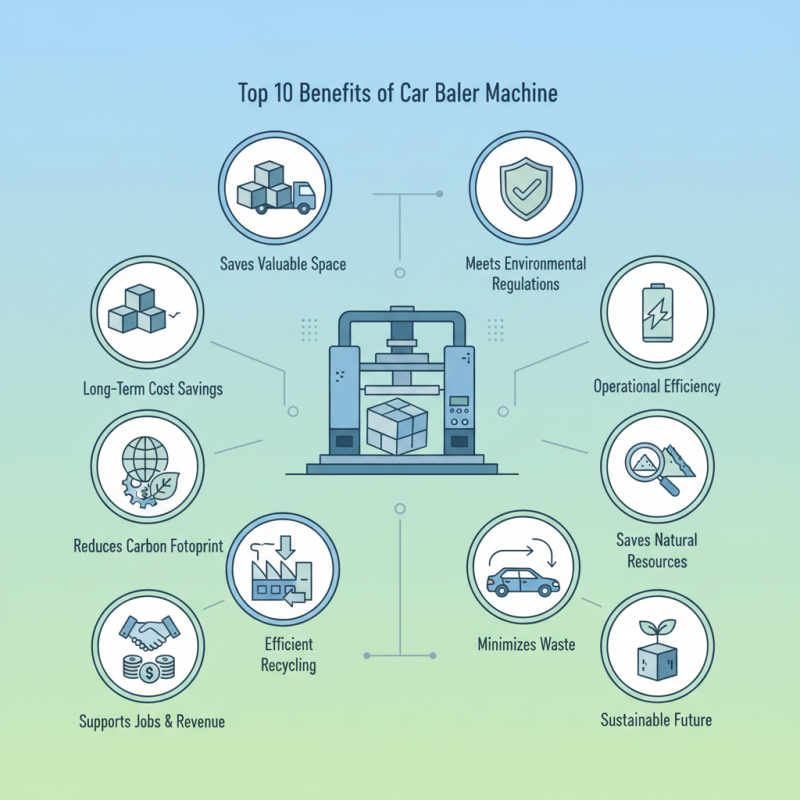
Moreover, with increasing environmental regulations, the demand for efficient recycling solutions has surged. The use of a Car Baler Machine reduces the carbon footprint by minimizing waste. Studies show that recycling one ton of metal can save 2,500 pounds of iron ore and 1,400 pounds of coal.
Despite these benefits, some companies are uncertain about the initial investment. While the Car Baler Machine is vital for operational efficiency, not all businesses fully embrace this technology. However, as the industry evolves, embracing this machine could lead to significant long-term cost savings and a more sustainable future.
Advantages of Efficient Waste Management with Car Baler Machines
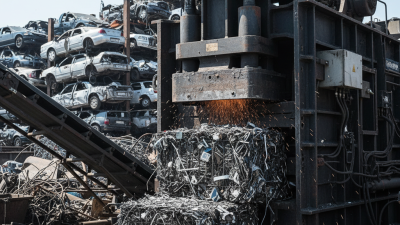
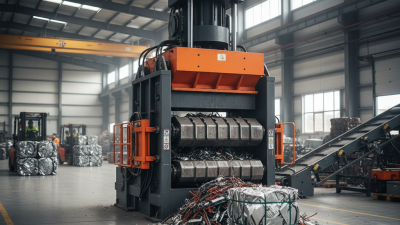
Car baler machines play a crucial role in efficient waste management. These machines compact end-of-life vehicles into neat bales. This process minimizes space and enhances recycling efforts.
According to industry reports, using balers can reduce waste volume by up to 90%. This significant reduction saves on storage costs and disposal fees.
One of the key benefits of balers is their impact on pollution reduction. Efficient waste management through baling leads to less landfill waste. Factories and scrapyards can divert a large portion of their materials for recycling. This not only conserves resources but also cuts greenhouse gas emissions.
Properly baled materials are easier to transport and process, leading to further cost efficiencies.
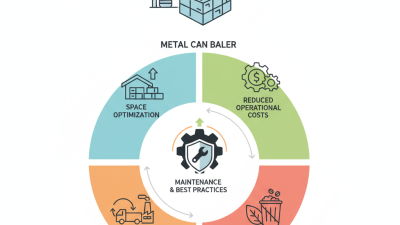
Tips: Regular maintenance of your baler is essential. This ensures optimal performance and reduces downtime. Also, consider training staff on best practices for loading materials into the machine. Proper techniques can increase efficiency and safety. Remember, while balers are effective tools, they are not a complete solution. Continuous improvements in recycling practices are still necessary.
Enhancing Recycling Processes through Car Baler Technology
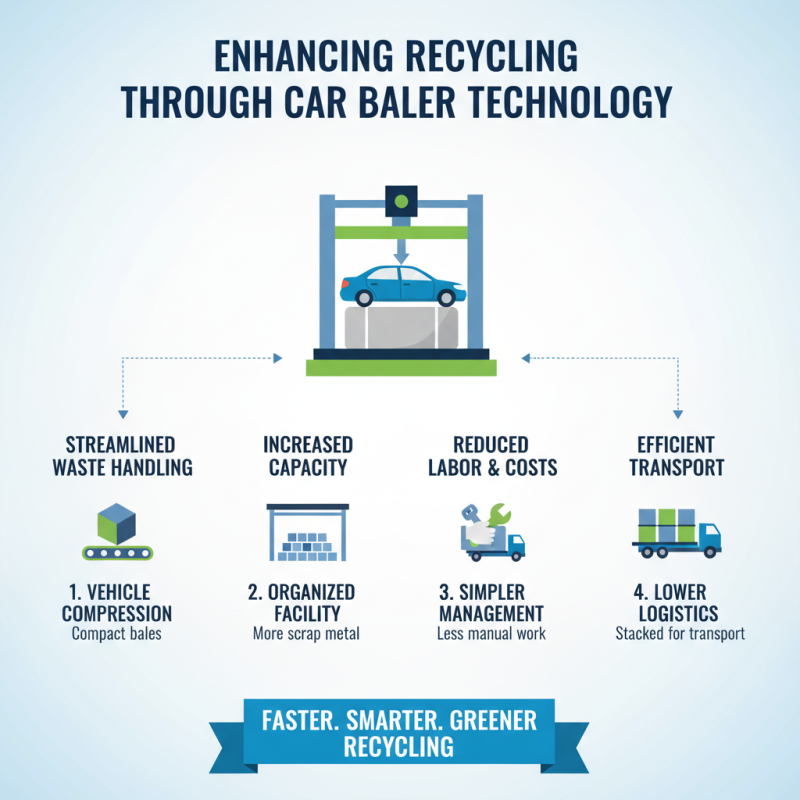
Car baler technology significantly enhances recycling processes. By compacting vehicles into manageable bales, it streamlines waste handling. This efficiency leads to a more organized recycling facility, which can handle larger volumes of scrap metal and materials. Waste management becomes simpler, reducing the reliance on manual labor. It also lowers transportation costs, as bales can be stacked efficiently on trucks.
Moreover, using a car baler promotes environmental sustainability. Compressing cars minimizes the space required for storage and transport. It helps prevent landfill overflows, a growing concern in many regions. However, the initial investment in a baler can be daunting for smaller operations. Balancing cost and efficiency requires careful consideration. Operators must ensure they have adequate space and resources to accommodate the machinery.
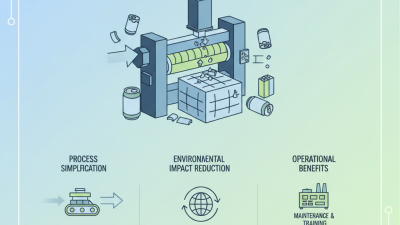
The benefits are clear, yet challenges remain. Continuous training on operating the equipment is essential. Staff must understand safety procedures to avoid accidents. Additionally, maintaining the baler can be resource-intensive and requires regular checks. Overall, while car baler machines enhance recycling processes, organizations must reflect on the broader implications of their use.
Cost Savings from Reduced Transportation and Storage Needs
Using a car baler machine can bring significant cost savings by reducing transportation and storage needs. When vehicles are compacted, they take up less space. This allows businesses to store more vehicles in a smaller area. Consequently, rental costs for storage facilities can decrease. The space saved can be used for other valuable purposes.
Transporting uncompressed cars is expensive. They occupy more space in transport vehicles, leading to higher shipping costs. With a baler machine, vehicles are reduced in size. Fewer trips are required to move the same number of cars. This not only lowers fuel consumption but also minimizes labor costs.
However, not every facility may maximize these benefits. Some operations might find the transition to using a baler challenging. Staff training and infrastructure upgrades take time and resources. There's potential for initial disruption before realizing benefits. It's essential to assess if the investment aligns with the business model. Careful planning can turn obstacles into opportunities.
Top 10 Benefits of Using a Car Baler Machine - Cost Savings from Reduced Transportation and Storage Needs
| Benefit |
Description |
Estimated Cost Savings (%) |
| Reduced Transportation Costs |
Less space needed for transporting vehicles, leading to lower fuel and logistics expenses. |
20% |
| Efficient Storage |
Compact bales occupy less space, allowing for better warehouse management. |
15% |
| Increased Revenue from Recycling |
Selling baled metal generates more income than loose scrap. |
25% |
| Reduced Labor Costs |
Fewer workers needed for handling and processing vehicles. |
10% |
| Lower Waste Management Costs |
Decreased waste disposal fees by compressing vehicles into bales. |
18% |
| Improved Safety |
Less clutter and heavy lifting, reducing risk of workplace injuries. |
5% |
| Better Environmental Compliance |
Easier to meet recycling regulations with baled materials. |
12% |
| Enhanced Image |
Companies are viewed more favorably for eco-friendly practices. |
8% |
| Reduced Inventory Costs |
Less capital tied up in unsold or stored vehicles. |
15% |
| Long-Term Asset Efficiency |
Improved overall operational efficiency leads to long-term savings. |
30% |
Environmental Benefits of Using Car Baler Machines in Operations
Car baler machines play a crucial role in eco-friendly operations. By compacting vehicles, they reduce waste space significantly. This leads to improved recycling efforts and lowers the amount of scrap metal in landfills. With fewer vehicles discarded untreated, we see less pollution seeping into soil and waterways.
Using these machines can lower carbon footprints. They operate efficiently, resulting in less energy consumption. A well-maintained baler can process more vehicles in less time. This efficiency translates to decreased emissions from operations. However, not all facilities maximize this potential. Regular maintenance and staff training are essential for optimal performance.
Tips: Ensure your baler is updated with the latest technology. Train your staff regularly on best practices. These steps can enhance efficiency and further benefit the environment. Embracing these machines without proper care can lead to missed opportunities. Take time to assess your process and adapt where needed.
Improving Safety and Space Utilization in Automobile Recycling Facilities
In the realm of automobile recycling, safety and space utilization are critical concerns. Using a car baler machine significantly improves both aspects. These machines compress vehicles into manageable bales, reducing their volume by up to 80%. This space-saving benefit allows recycling facilities to maximize their storage capacity and streamline their operations.
Safety also sees marked improvement. With fewer vehicles scattered across the facility, the risk of accidents decreases. According to industry reports, facilities employing balers report a 30% reduction in workplace injuries. Workers can navigate safely around a well-organized space. Decreased clutter leads to fewer hazards, allowing staff to focus on their tasks.
However, baling processes can be challenging. Operators need proper training to ensure they use the machinery safely and effectively. Mismanagement can lead to equipment malfunctions or even injuries. Adequate maintenance is crucial, as worn parts can compromise safety. Awareness and vigilance are necessary not just for operations’ efficiency, but also to uphold a safety-first culture in recycling practices.
Top 10 Benefits of Using a Car Baler Machine