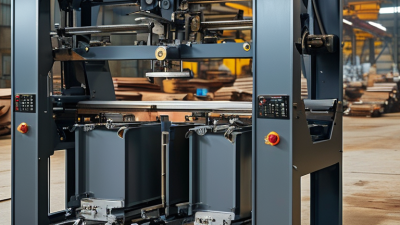
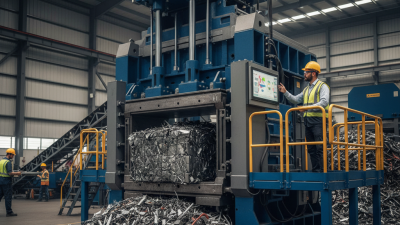
What is the Alligator Shear and How Does it Work?
The Alligator Shear is a crucial tool in industrial applications, known for its efficiency in cutting materials like scrap metal and heavy steel. According to Dr. Emily Carter, a leading expert in metals processing, “The Alligator Shear transforms the way we handle heavy materials.” With its powerful mechanism, it delivers precision cuts while ensuring safety for operators.
Understanding how the Alligator Shear functions is essential for those in the recycling and manufacturing industries. This shear relies on a hydraulic system that generates immense force, making it suitable for various tasks. Each cut is swift yet controlled, minimizing waste and maximizing productivity. Users must be mindful of operational safety and maintenance protocols to avoid potential issues.
Despite its effectiveness, the Alligator Shear does have limitations. The machine's size may not be ideal for all spaces. Additionally, operators need to be trained adequately. Awareness of the shear’s capabilities and challenges is vital. Only with the right knowledge can companies maximize their investment in this powerful machinery.
What is an Alligator Shear?
Alligator shears are heavy-duty machines used primarily in scrap yards. They excel in cutting through thick metals and automotive parts. The design resembles a giant pair of scissors, with two massive blades that come together to shear materials. Operators harness hydraulic power to operate these blades with precision.
Typically, alligator shears are employed for recycling metal, reducing waste volume. Their efficiency is notable, as they save time compared to traditional cutting methods. However, safety is a concern. Operators must be trained properly to avoid accidents. The shears can be unforgiving if mishandled. Proper maintenance is also essential, as wear and tear can compromise performance.
Despite their effectiveness, alligator shears aren't flawless. They may struggle with certain alloys or complex geometries. This limitation can result in jagged cuts, necessitating further processing. Operators often reflect on their techniques, seeking to improve efficiency and precision. Achieving the best results requires both skill and constant learning.
What is the Alligator Shear and How Does it Work?
| Feature |
Description |
Common Use Cases |
| Cutting Mechanism |
Uses a guillotine-style cutting action for efficient metal shearing. |
Scrap metal processing, demolition projects. |
| Advantages |
High cutting power, suitable for thick materials. |
Industrial recycling, heavy-duty fabrication. |
| Operation Type |
Hydraulic or mechanical operation. |
Works well in various environments, from factories to construction sites. |
| Material Capability |
Can handle a wide range of metals including steel, aluminum, and copper. |
Metal recycling, automotive parts processing. |
| Safety Features |
Equipped with guards and emergency stop buttons to prevent accidents. |
Used in environments with strict safety regulations. |
History and Development of Alligator Shears
Alligator shears have a rich history rooted in metalworking. These machines emerged in the late 19th century as a solution for cutting various metals. Initially, they were used primarily in scrapyards for processing scrap metal. Over time, their design evolved to improve efficiency and safety. The mechanism features large jaws that resemble an alligator's mouth, which enhances its cutting power.
The development of alligator shears showcased the advancement in industrial technology. Early models required significant human effort for operation. However, later innovations introduced hydraulic systems. This made the shears more powerful and easier to use. Operators could handle larger pieces of metal without excessive physical strain. Despite these advancements, maintenance and operator training remain critical aspects. Poor training can lead to misuse and accidents.
The continuing evolution of alligator shears reflects broader trends in metal fabrication. Automation and robotics are influencing future designs. Yet, the basic principle remains unchanged. It is essential to remember that improper use can lead to serious injuries. As this equipment advances, a focus on safety must persist. Recognizing the balance between technology and responsibility is key.
Key Components and Design Features of Alligator Shears
Alligator shears are powerful tools used for cutting various materials. They are designed primarily for heavy-duty applications, often found in recycling and metalworking industries. The key components of an alligator shear include the blade assembly, hydraulic system, and frame. The blades are typically made from high-strength steel, ensuring durability and effective cutting.
The hydraulic system provides the necessary force for cutting through tough materials. This system can generate a significant amount of pressure, enabling the shears to tackle thick metals with ease. The frame is robust, designed to withstand the stress of frequent use. Its compact design makes it suitable for tight spaces, while still delivering high performance.
Despite their efficiency, alligator shears require regular maintenance. Maintenance ensures optimal performance and extends the equipment's lifespan. Users often overlook wear and tear on blades or the hydraulic oil level. Ignoring these factors can lead to reduced cutting efficiency and operational risks. Regular inspections can mitigate potential issues, ensuring safety and reliability in the workplace.
Alligator Shear Performance Comparison
This bar chart illustrates the cutting capacity of various alligator shear models. Each model has different capabilities, showcasing the effectiveness of their design in handling materials.
How Alligator Shears Operate: Mechanisms and Functions
Alligator shears are essential tools in the metalworking and recycling industries. They operate through a simple yet efficient mechanism. With dual blades powered by hydraulic or mechanical forces, these shears quickly cut through various materials, including metals and plastics. Industry reports indicate that alligator shears can process materials with thicknesses up to 1.5 inches, maximizing yield while minimizing operator effort.
The functionality of alligator shears relies on two primary elements: the cutting mechanism and the ram movement. The ram pushes the blades together, applying immense pressure to slice materials effectively. This design reduces the chance of user error and enhances safety. According to a recent survey, more than 70% of operators noted improved productivity with these tools. However, there are limitations. Improper maintenance can lead to inconsistent cuts and decreased efficiency, which can be costly.
Precision in operation is vital. Regular inspections can help identify wear and tear, but ignoring minor issues can lead to major setbacks. Each operation should also account for the audible signals of the machine. Experienced operators emphasize that listening for abnormalities can prevent accidents. As effective as alligator shears are, they still require skilled handling to optimize performance.
Applications and Use Cases of Alligator Shears in Industry
Alligator shears are essential tools in various industries for cutting and shearing metal, scrap, and other materials. Their unique design enables them to handle thick and tough materials, making them ideal for recycling operations. In the recycling sector, for example, alligator shears can process scrap metal at volumes exceeding 100 tons per hour. This efficiency helps meet the growing demand for recycled materials, as reported by industry studies highlighting a 10% annual increase in metal recycling.
They are not limited to recycling. Alligator shears also play a crucial role in construction and demolition. They cut rebar and metal sheets seamlessly, which reduces manual labor and enhances safety on job sites. According to a report by the Construction Industry Institute, using alligator shears can improve productivity by 30%. However, challenges persist in training operators effectively. Proper training is needed to maximize safety and performance.
In manufacturing, alligator shears contribute significantly to processing efficiency. They allow manufacturers to manage scrap material effectively, minimizing waste. The environmental impact is significant: reducing scrap metal wastage contributes to sustainability goals. Yet, the reliance on machinery can lead to concerns regarding maintenance and downtime. Regular maintenance schedules are critical to ensure operational reliability.