2026 Best Scrap Metal Press Machine for Global Buyers?
In the rapidly evolving market of recycling, choosing the best Scrap Metal Press Machine becomes crucial for global buyers. This machine is fundamental for efficiently compressing metal waste, enhancing logistics and storage. With an increased focus on sustainability, the demand for these machines is at an all-time high.
Understanding the intricacies of different Scrap Metal Press Machines is essential. Various models feature unique designs and specifications. Buyers should consider factors like machine capacity, energy consumption, and maintenance requirements. Some machines offer advanced technology, while others may not meet high efficiency standards. It is important to explore the advantages and drawbacks of each option.
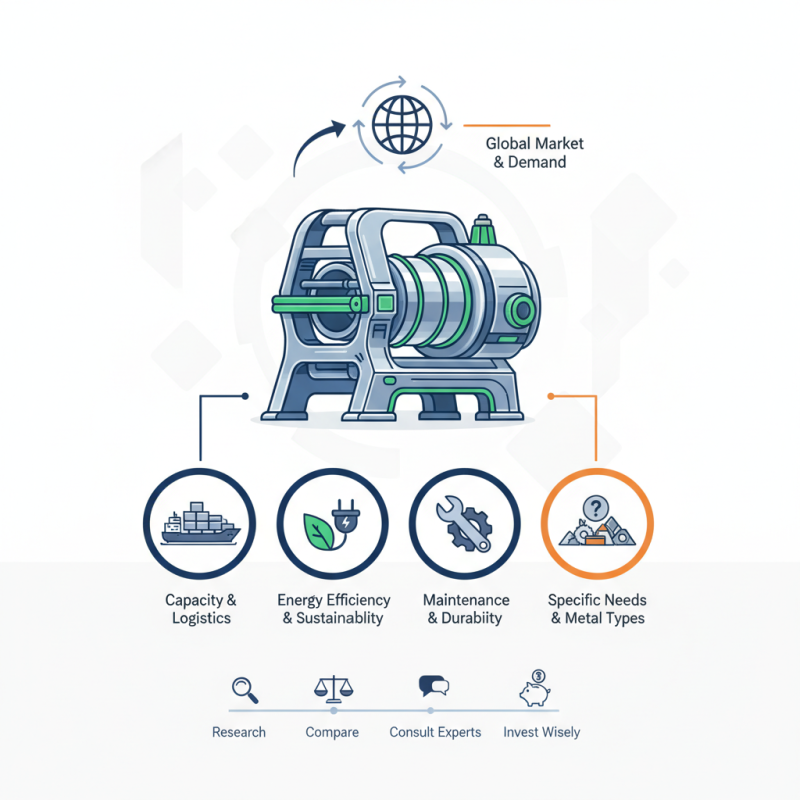
Global buyers must also reflect on their specific needs. Not every machine may fit all operational sizes or types of metal. This consideration can lead to potential challenges in production. By evaluating different choices carefully, buyers can invest wisely and ensure long-term benefits. It's vital to seek expert advice and reviews to navigate this complex landscape.
Overview of Scrap Metal Press Machines in 2026
In 2026, the landscape of scrap metal press machines has evolved significantly. These machines are essential for recycling operations, making the processing of metal waste more efficient. Advanced technology has introduced features like automated feeding systems and variable compression ratios. This enhances productivity and reduces manual labor. Knowing the specifications can aid buyers in selecting suitable options.
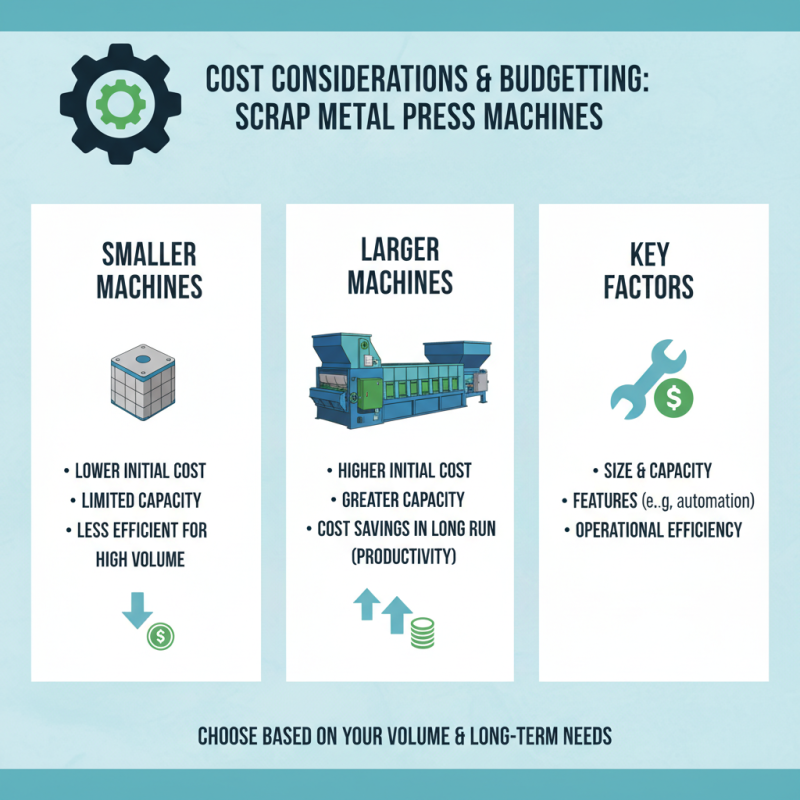
When choosing a scrap metal press machine, consider the size of your operation. Smaller businesses may not require high-capacity machines. Evaluating your processing volume helps in making a balanced decision. Some machines are designed for specific metals, like aluminum or steel. Ensure the chosen machine aligns with the materials you work with.
Tips for buyers: assess power requirements carefully. Machines consume varying levels of energy; selecting energy-efficient models can reduce costs. Regular maintenance is crucial. A poorly maintained machine can lead to breakdowns and accidents. Quality control should not be overlooked; check for certifications and compliance with industry standards. This ensures you invest in reliable and safe equipment.
Key Features to Look for in a Scrap Metal Press Machine
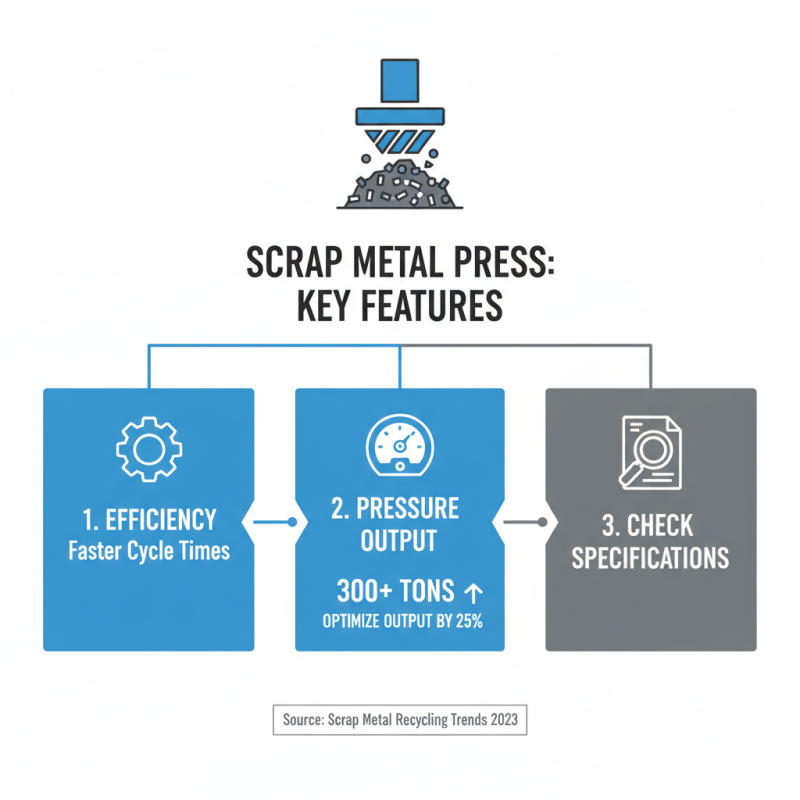
When choosing a scrap metal press machine, certain key features stand out. Efficiency is paramount. Machines with faster cycle times and greater pressure outputs often lead to increased productivity. According to a recent industry report by Scrap Metal Recycling Trends 2023, machines averaging over 300 tons of pressure can optimize output by up to 25%. It’s essential to closely examine the specifications of any machine you consider.
Durability is another critical factor. A robust machine ensures longevity and reduces downtime. Many leading manufacturers recommend looking for models made from high-strength steel. They withstand daily wear and tear better than lighter materials. Maintenance services are vital, too. Regular checks can extend a machine's life. A report from the International Journal of Manufacturing indicates that timely maintenance can lead to a decrease in operational costs by nearly 30%.
Finally, consider the automation features. Advanced models may include programmable settings that optimize pressure based on the type of metal. However, high-tech machines can be complex and require skilled operators. It's worth noting that a lack of training can lead to inefficiencies. Balancing automation with operator expertise can significantly affect operational success. It's a challenge many operators face today.
Top Manufacturers of Scrap Metal Press Machines in the Global Market
The global market for scrap metal press machines is expanding rapidly. As a buyer, choosing the right manufacturer is essential. Key factors include machine efficiency, durability, and cost-effectiveness. Several manufacturers excel in producing high-quality machines. They focus on innovation and technology to meet the diverse needs of buyers.
Tips: Always check reviews and feedback from other users. This can provide valuable insights into the machine's performance and reliability.
Before making a decision, consider the after-sales support offered by manufacturers. Good support can help mitigate potential operational challenges. Additionally, researching the warranty terms can save considerable costs if repairs are needed.
It's important to weigh your options carefully. Assessing your specific needs will help you find a machine that fits your business perfectly. Do not rush the decision-making process; patience can lead to a better investment.
Comparative Analysis of Popular Scrap Metal Press Models
When choosing a scrap metal press machine, buyers should consider key factors. Popular models vary in capacity, size, and efficiency. Reviewing specs is essential to find the right fit. A machine that suits one operation may not work for another. Factors like type of metal material and processing volume are crucial.
Tips: Always check for user reviews. Trusted feedback offers insight into real-world performance. Additionally, ensure the machine has up-to-date technology. Advanced features can lead to better safety and efficiency.
Many models offer different safety certifications. Understanding these can help buyers choose reliable equipment. Do not overlook maintenance requirements. A machine that is easy to service can save time and cost down the road. Some buyers find themselves stuck with complex models, leading to unexpected issues. Always ask about support services when investigating options.