

Why Are Alligator Shears Essential in Metal Recycling Operations?
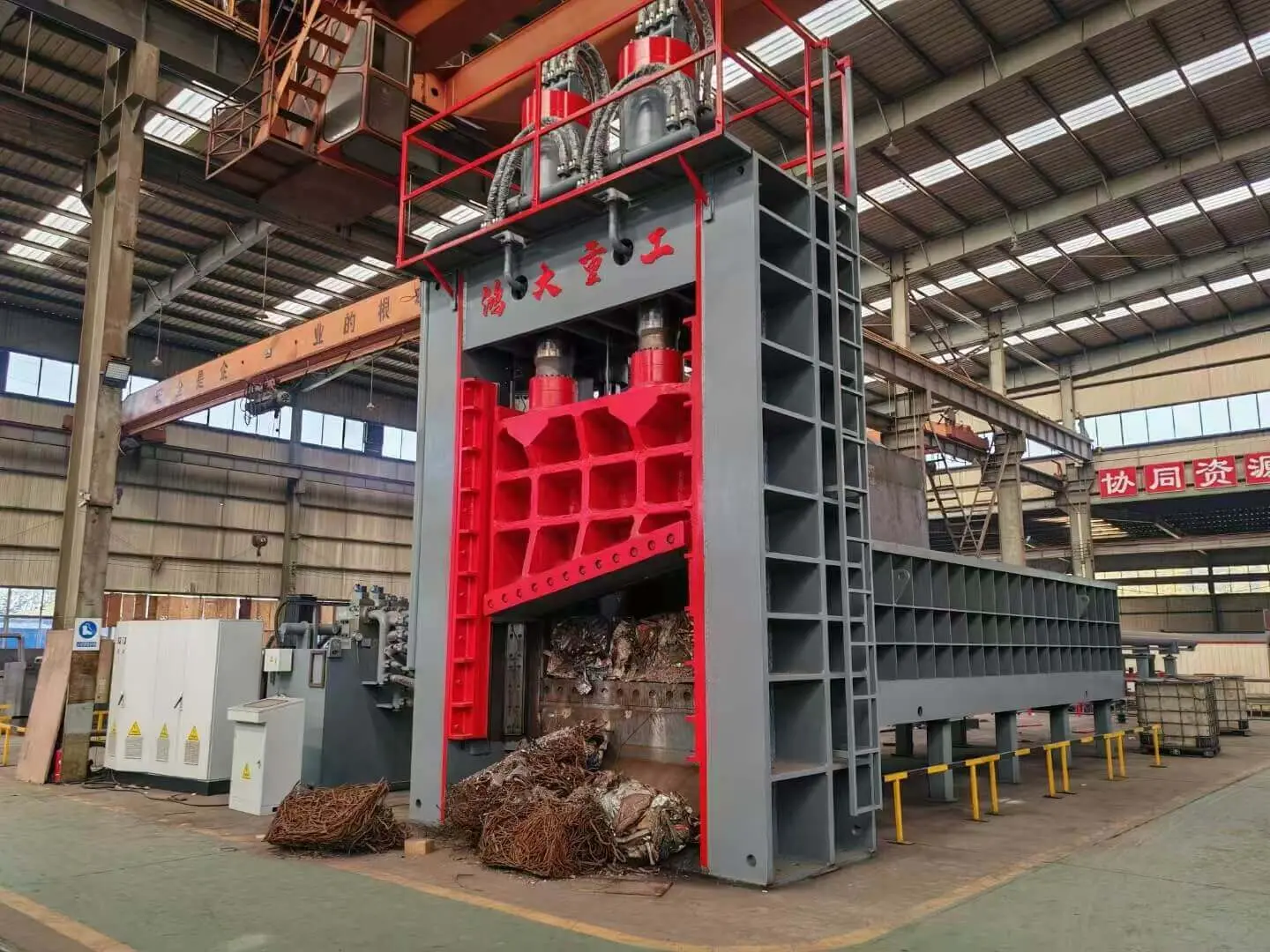
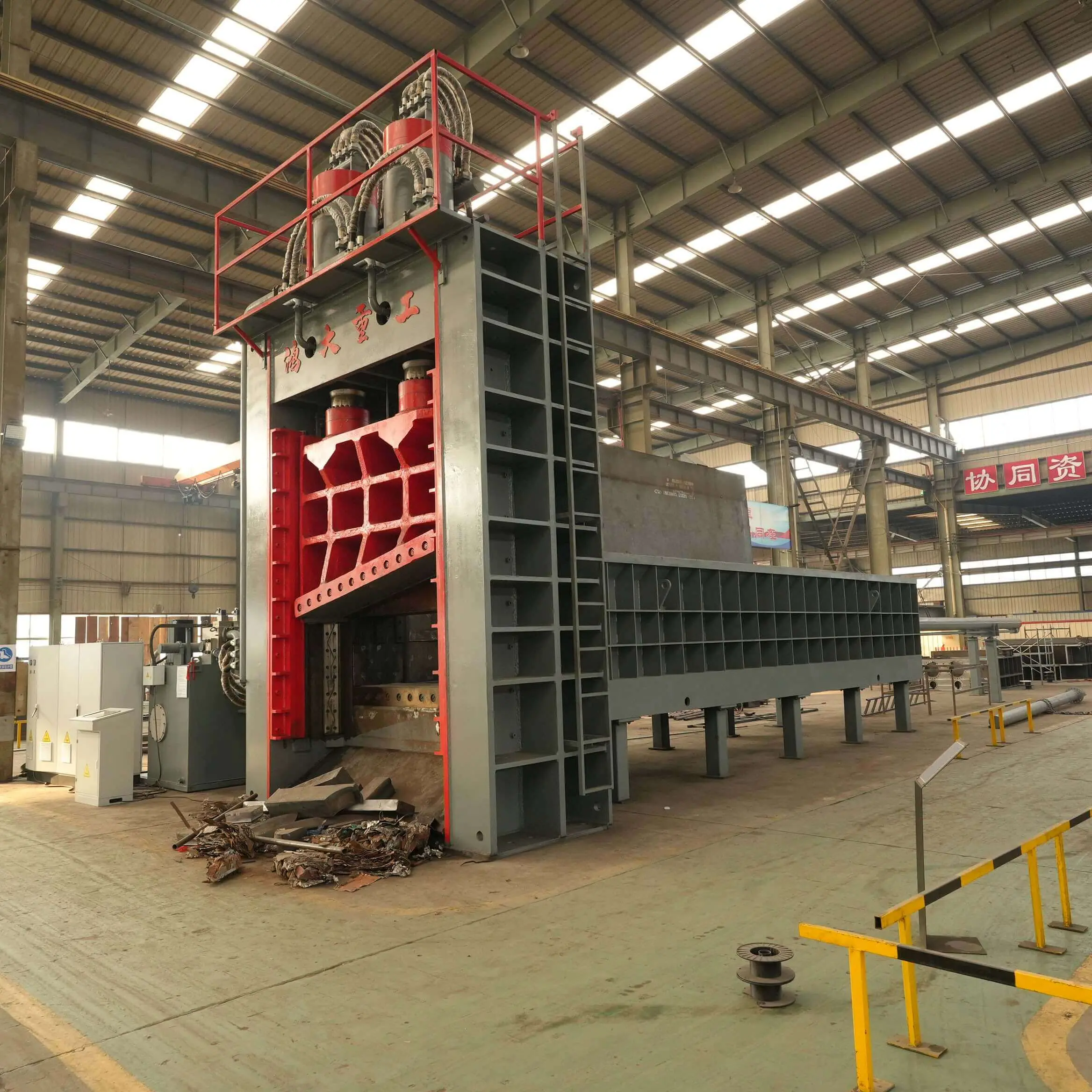
In today’s recycling and manufacturing industries, efficiency and reliability are vital. One machine that continues to play a critical role in scrap processing is the Alligator Shear. Recognized for its hinged jaw and powerful cutting force, the alligator shear enables recycling facilities, steel mills, and dismantling operations to process scrap metal into manageable, furnace-ready pieces.
What Is an Alligator Shear?
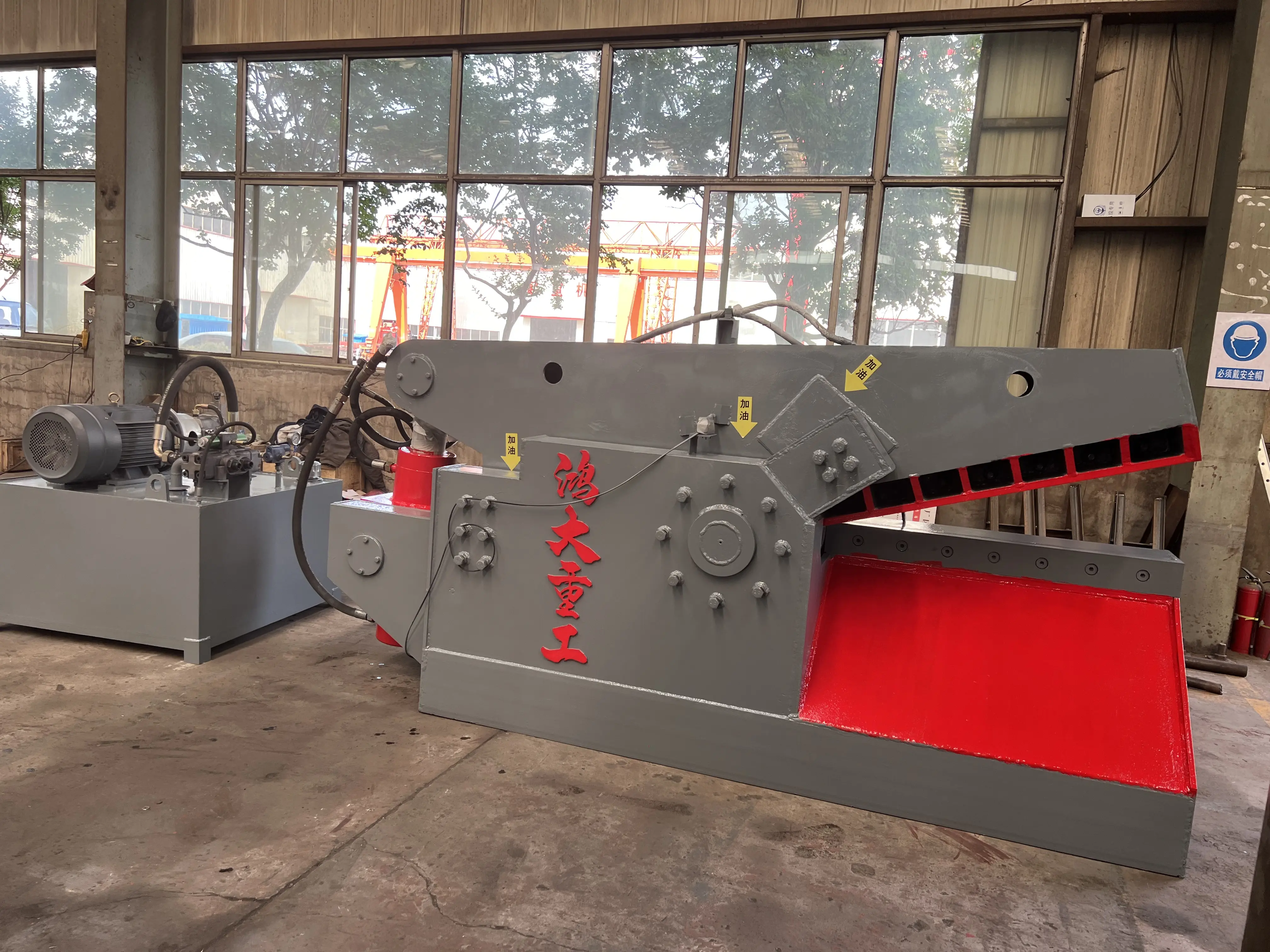
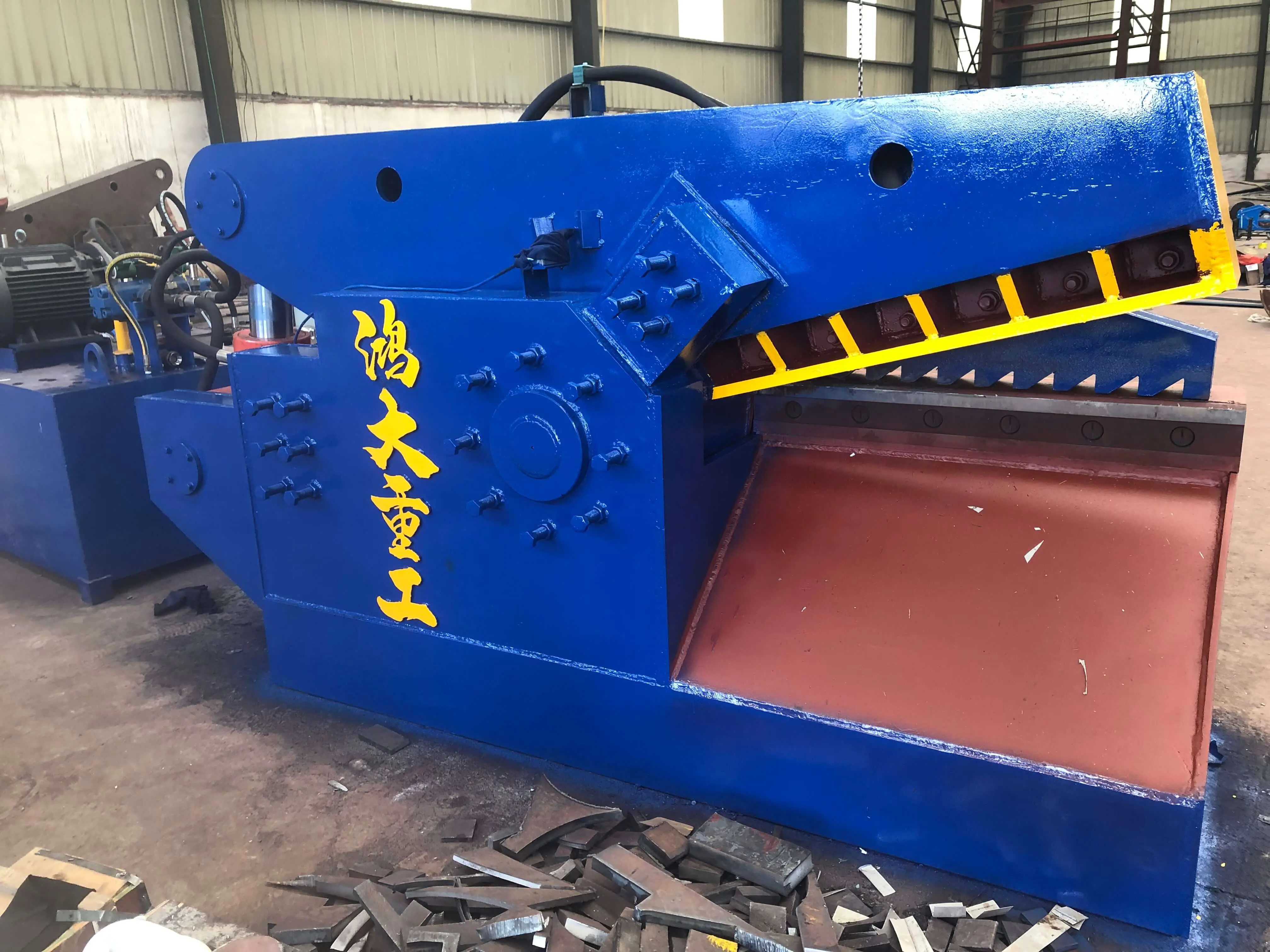
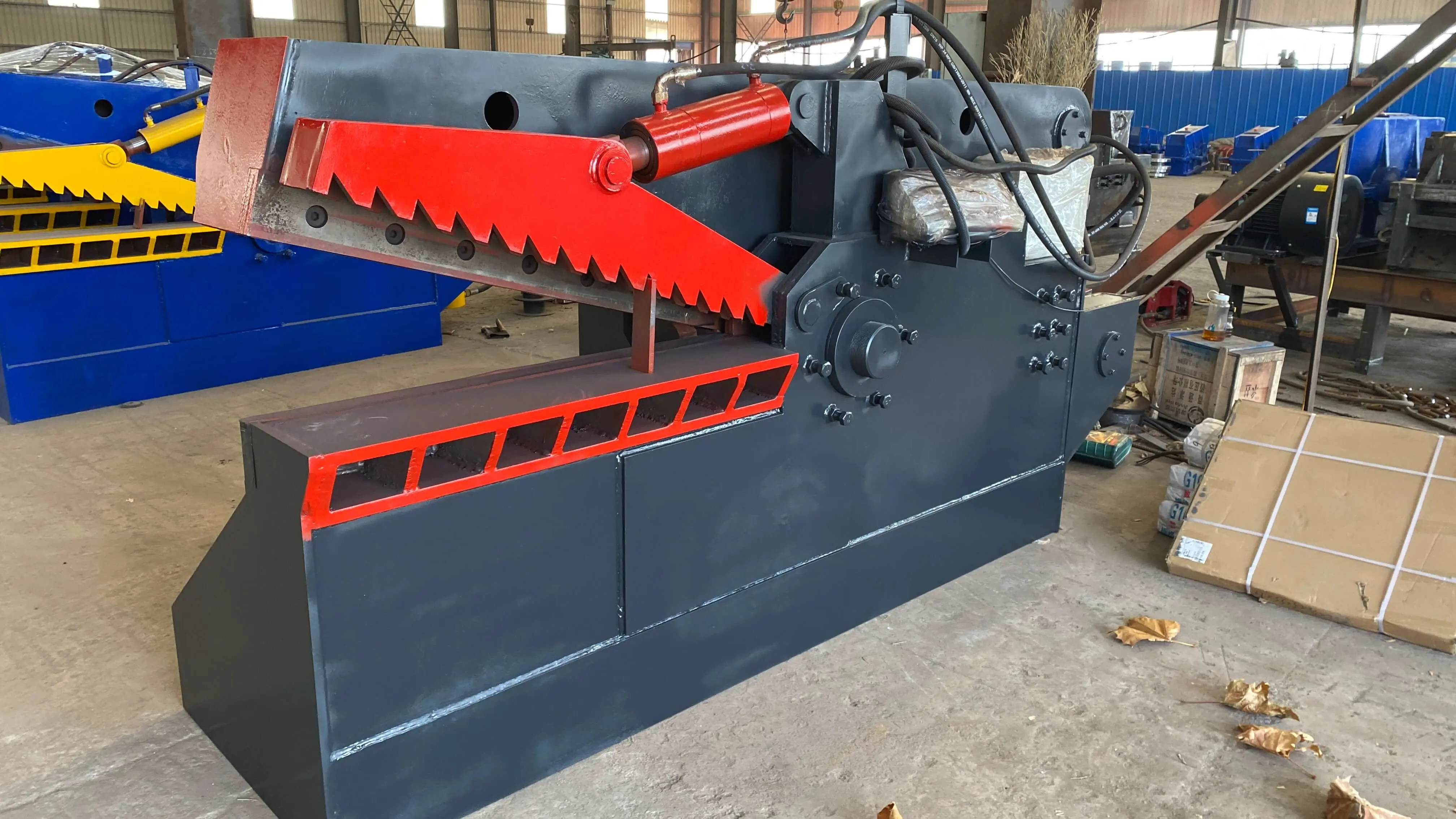
An alligator shear is a hydraulically powered cutting machine equipped with a robust “jaw” design resembling the mouth of an alligator. It is primarily used for cutting:
Steel bars, rods, and rebar
Scrap plates and sheets
Structural steel such as angles, channels, and I-beams
Automotive and industrial scrap
Non-ferrous metals like aluminum and copper
Its compact yet powerful structure makes it indispensable for high-throughput recycling operations.
Technical Specifications of Alligator Shears
Key performance indicators include:
Shear Force Capacity: 160–630 tons
Blade Length: 400–1600 mm
Cutting Frequency: 2–3 strokes per minute
Motor Power: 2–3 units of 30–45 kW
Hydraulic System: Equipped with high-capacity pumps
Safety Features: Protective guards, hydraulic safety valves, automated controls
Cutting Length: Adjustable to meet furnace requirements
Application Scenarios
Alligator shears are widely used in industries where large volumes of scrap need to be downsized quickly:
Scrap Recycling Yards – Preparing bulky ferrous and non-ferrous scrap for transport and smelting
Steel Mills & Foundries – Cutting furnace charge materials
Automotive Dismantling Centers – Processing scrap vehicles and components
Ports & Logistics Terminals – Downsizing oversized imported scrap
Metal Fabrication Plants – Managing offcuts and structural scrap
Renewable Resource Enterprises – Enhancing recycling rates in circular economy projects
Benefits of Using Alligator Shears
Efficiency – Processes tons of scrap per hour
Versatility – Cuts diverse metals and shapes
Safety – Integrated operator protection systems
Durability – Long service life with wear-resistant blades
Cost Savings – Produces furnace-ready feedstock
Adaptability – Suitable for both small and large-scale facilities
Industries That Rely on Alligator Shears
Scrap Metal Recycling Companies
Steel Mills & Foundries
Auto Dismantling & ELV Centers
Ports, Yards & Logistics Terminals
Metal Fabrication & Processing Plants
Renewable Resource Enterprises
Heavy Equipment Dealers & Distributors
Aluminum Extrusion Plants
Aluminum Sheet & Coil Manufacturers
Aluminum Recycling Plants
Automotive & Aerospace Component Suppliers
Construction & Curtain Wall Companies
Importers & Distributors of Aluminum Scrap
Why Alligator Shears Are Essential in Recycling
Productivity: Maximize processing throughput
Precision: Provide uniform scrap sizes for smelting
Profitability: Increase scrap value and transport efficiency
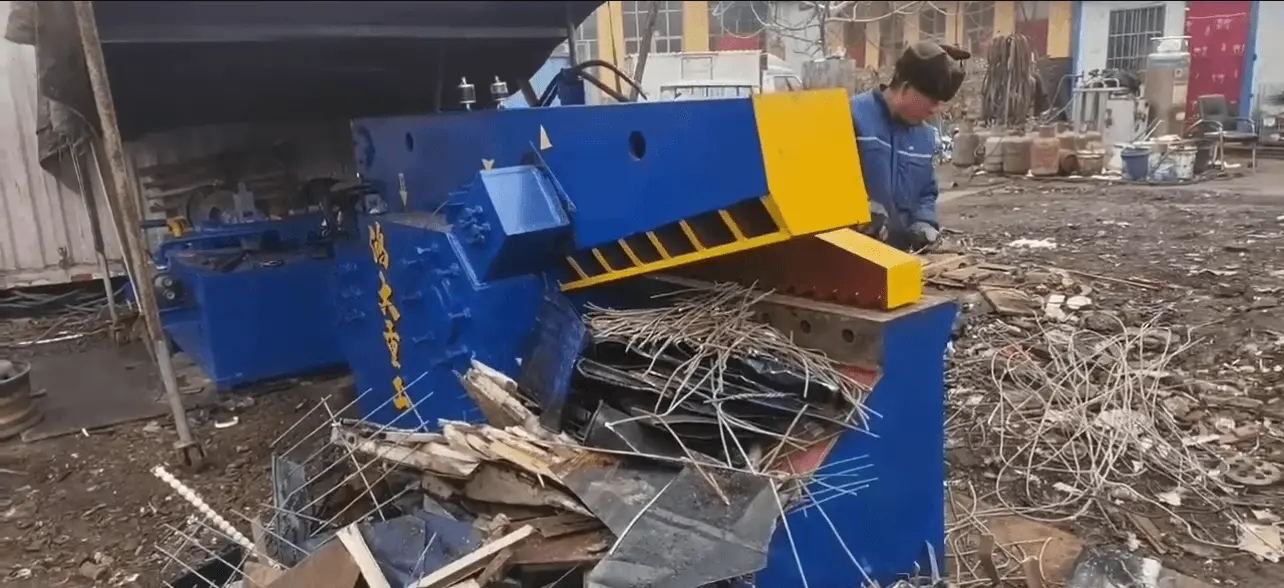
Alligator shears are a cornerstone in modern recycling operations. They ensure safety, efficiency, and profitability by converting irregular scrap into valuable raw material. For any business in metal recycling, investing in high-performance alligator shears is a step toward long-term sustainability and competitiveness.
FAQ
Q1: What materials can alligator shears cut?
They can cut steel plates, rebar, pipes, angles, I-beams, automotive scrap, copper, and aluminum.
Q2: How do alligator shears improve recycling efficiency?
They downsize bulky scrap into furnace-ready sizes, making transport and smelting more cost-effective.
Q3: Are alligator shears safe to operate?
Yes. They include hydraulic safety valves, protective guards, and operator-friendly controls.
Q4: Which industries benefit most from alligator shears?
Scrap recycling companies, steel mills, auto dismantling centers, ports, fabrication plants, and aluminum recyclers.