


What is the Primary Purpose of a Metal Baling Machine? Maximize Scrap Efficiency and Cost Savings
In industrial operations, handling scrap efficiently is crucial for both productivity and profitability. Metal Baling Machines are designed to compress loose metal scrap into dense, uniform bales, simplifying storage, transportation, and recycling processes. For industries ranging from scrap metal recycling to steel mills and automotive dismantling centers, these machines offer measurable benefits in operational efficiency and cost control.
Understanding Metal Baling Machines
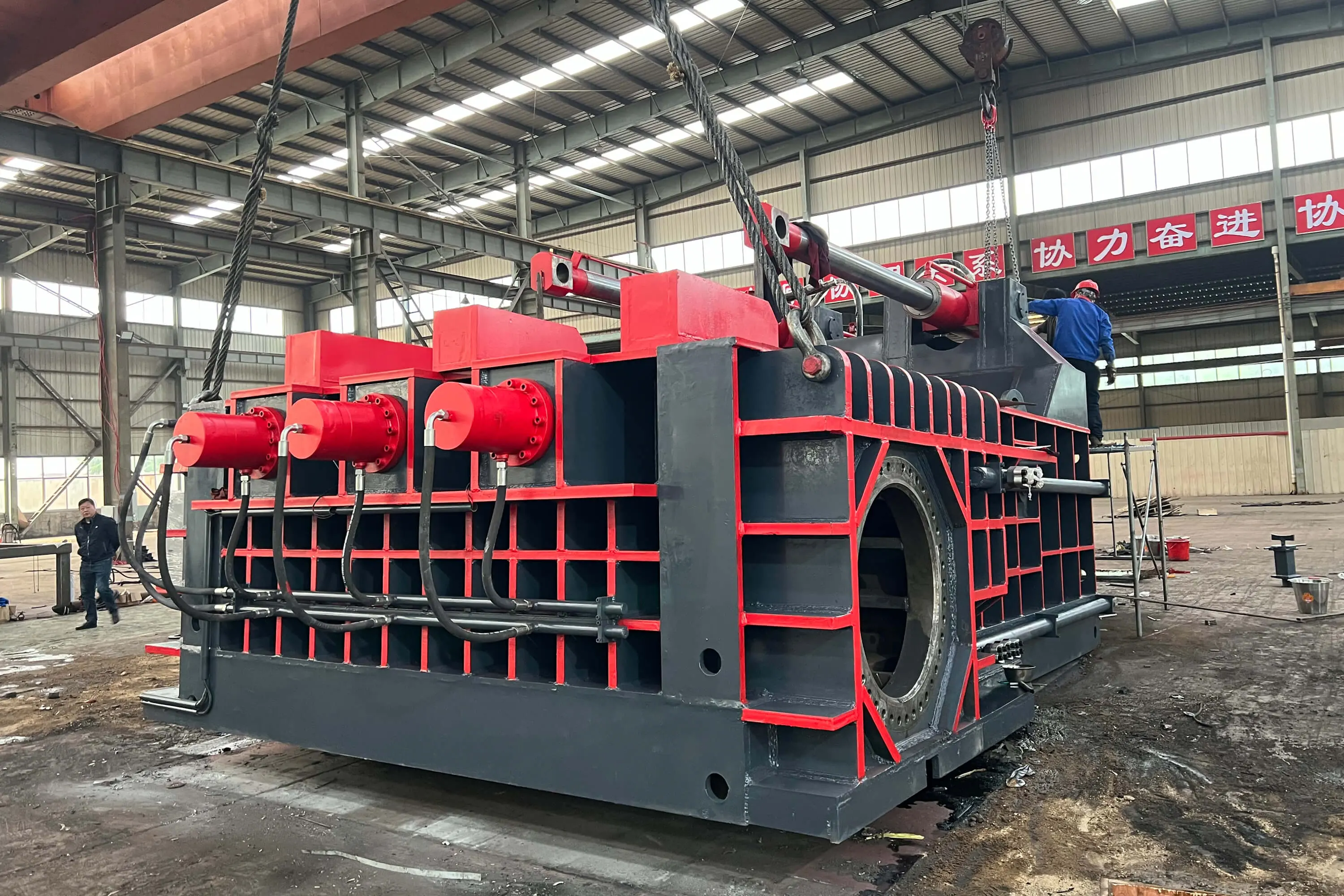
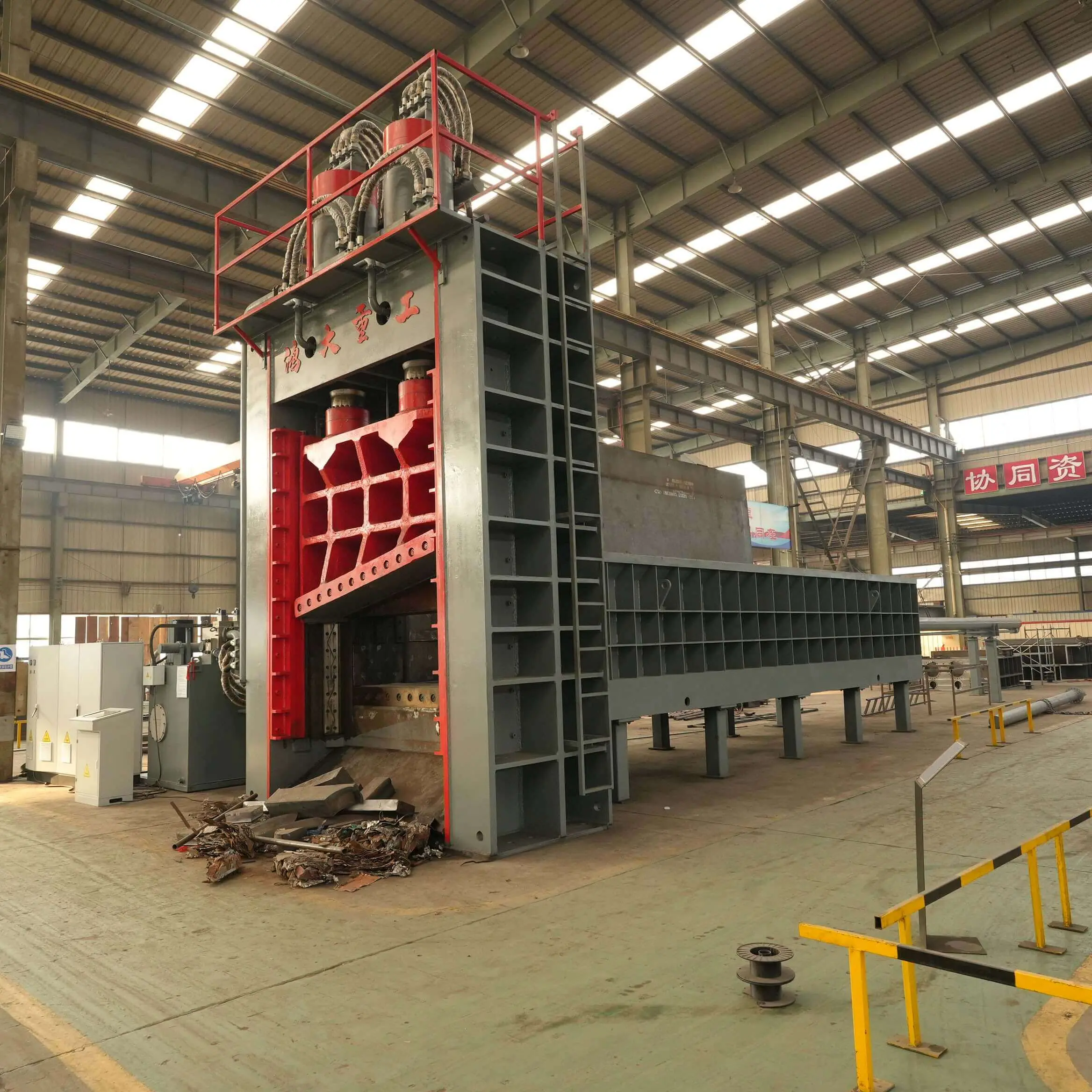
A metal baling machine, sometimes referred to as a Scrap Baler or metal press, is engineered to compress ferrous and non-ferrous metal materials into compact, manageable blocks. By converting irregular scrap into standardized bales, companies can streamline logistics, reduce handling labor, and optimize warehouse space.
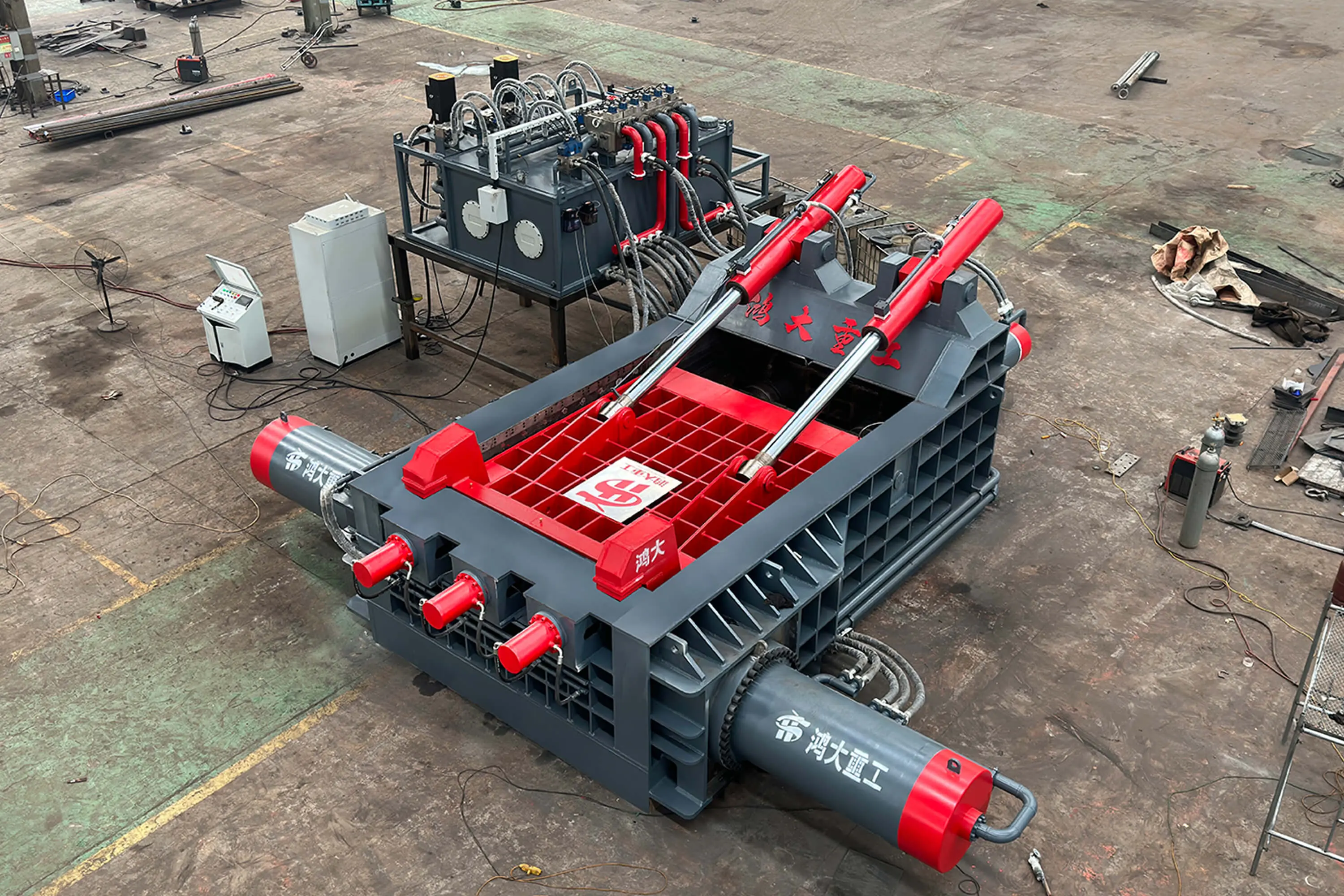
Commonly Processed Materials:
-
Steel plates, sheets, and offcuts
-
Aluminum profiles and coils
-
Copper wires and tubing
-
End-of-life vehicles (ELV) components
-
Scrap from machining, fabrication, and demolition
These machines are especially valuable in environments where large volumes of metal scrap accumulate daily, ensuring a consistent workflow and minimal downtime.
Key Technical Features
Modern Metal Balers combine heavy-duty construction with advanced automation:
-
Compression Force: 100–600 tons, suitable for light to ultra-heavy scrap
-
Bale Dimensions: Adjustable sizes from 300×300 mm to 1000×1200 mm
-
Hydraulic System: High-pressure cylinders for uniform bale density and energy efficiency
-
Automation & Control: PLC-enabled systems for automatic feeding, pressing, and ejection
-
Safety Features: Emergency stop buttons, protective guards, and overload monitoring
-
Cycle Time: High-volume horizontal balers can produce 10–30 bales per hour
These features make metal baling machines adaptable for a wide range of industrial applications, from small workshops to large recycling facilities.
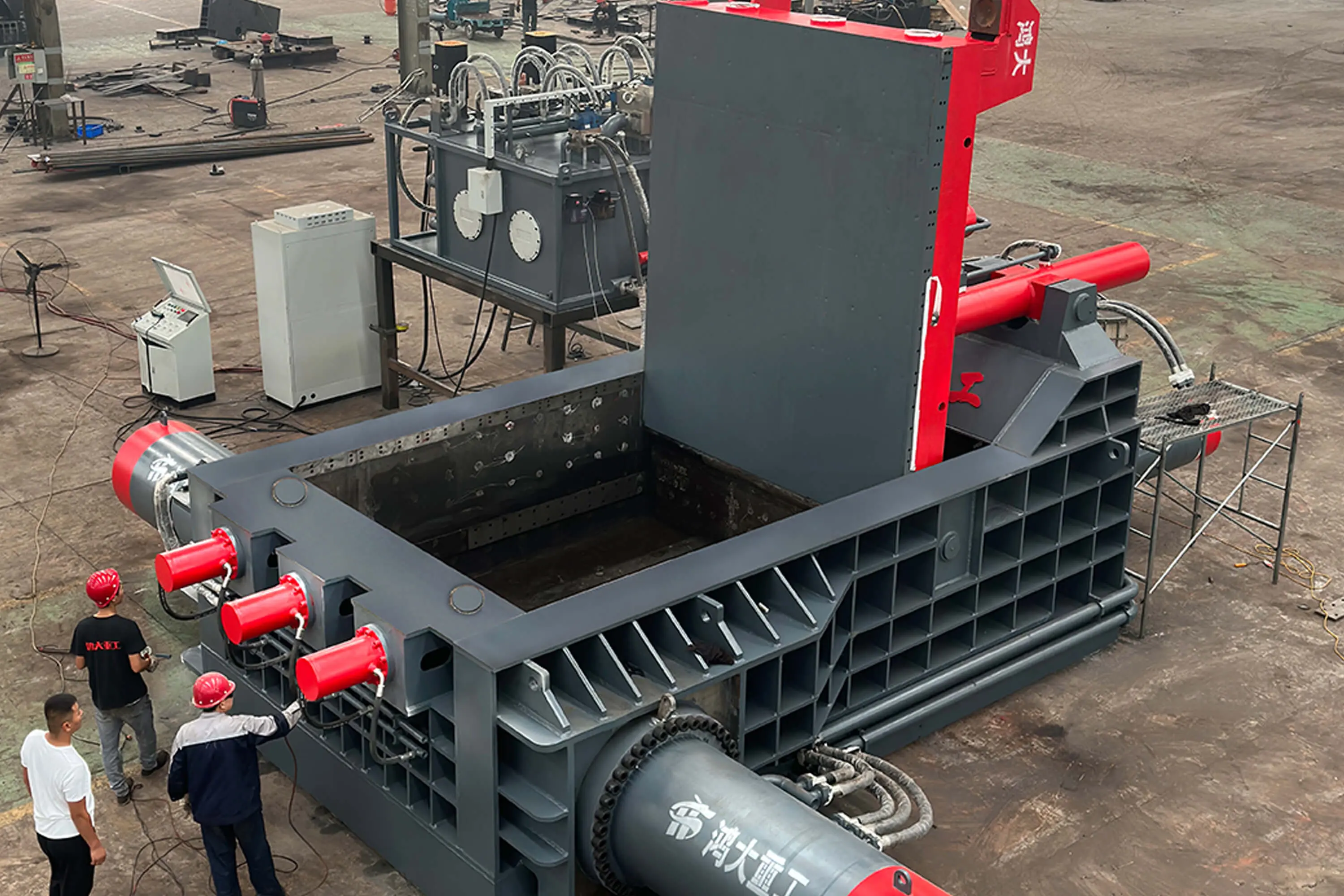
How Metal Baling Machines Work
The process is straightforward but highly effective:
-
Loading Scrap: Loose metal scrap is fed into the compression chamber manually or via conveyors
-
Compression: Hydraulic rams compress scrap to a pre-set density
-
Binding: Steel wires or high-strength straps secure the bale
-
Ejection: Finished bales are discharged for storage or transport
-
Repeat Cycle: The machine resets for continuous operation
Benefit: By converting irregular scrap into uniform bales, metal balers reduce storage volume by up to 80% and simplify material handling for downstream processes like smelting or resale.
Applications Across Industries
Metal baling machines are versatile tools widely used across multiple sectors:
-
Scrap Metal Recycling Companies: Compress steel, aluminum, and copper scrap efficiently
-
Steel Mills & Foundries: Prepare furnace feedstock and manage offcut waste
-
Auto Dismantling & ELV Centers: Handle car bodies, chassis, and engine parts
-
Ports, Yards & Logistics Terminals: Optimize storage and transport of bulk metal shipments
-
Metal Fabrication & Processing Plants: Manage leftover production scrap
-
Renewable Resource Enterprises: Support circular economy initiatives
Integrating metal balers in these operations enhances productivity, safety, and material recovery rates.
Advantages of Using Metal Baling Machines
-
Volume Reduction: Compress scrap up to 80%, saving storage and transport costs
-
Operational Efficiency: Reduces labor-intensive handling and speeds up material flow
-
Cost Savings: Optimizes transport, minimizes scrap loss, lowers overall recycling expenses
-
Safety Improvement: Less manual handling and automated systems reduce workplace risks
-
Sustainability: Supports recycling and compliance with environmental standards
By standardizing scrap handling, metal balers contribute directly to operational performance and environmental responsibility.
A metal baling machine is more than just a compactor—it is a strategic industrial asset. From recycling yards to automotive dismantling centers, it enables companies to handle metal scrap efficiently, reduce operational costs, and improve workplace safety. Investing in a modern, high-capacity metal baler ensures consistent output, reliable performance, and sustainable operations.
FAQs
Q1: What is the primary purpose of a metal baling machine?
A1: To compress loose metal scrap into dense, uniform bales for easier storage, transport, and recycling.
Q2: Can a metal baler handle both ferrous and non-ferrous metals?
A2: Yes. Most industrial balers can process steel, aluminum, copper, and other recyclable metals.
Q3: How much scrap volume can a metal baler reduce?
A3: Typically up to 80%, depending on material type and machine configuration.
Q4: What industries benefit the most from metal balers?
A4: Scrap metal recyclers, steel mills, auto dismantlers, metal fabrication plants, and logistics terminals are primary beneficiaries.