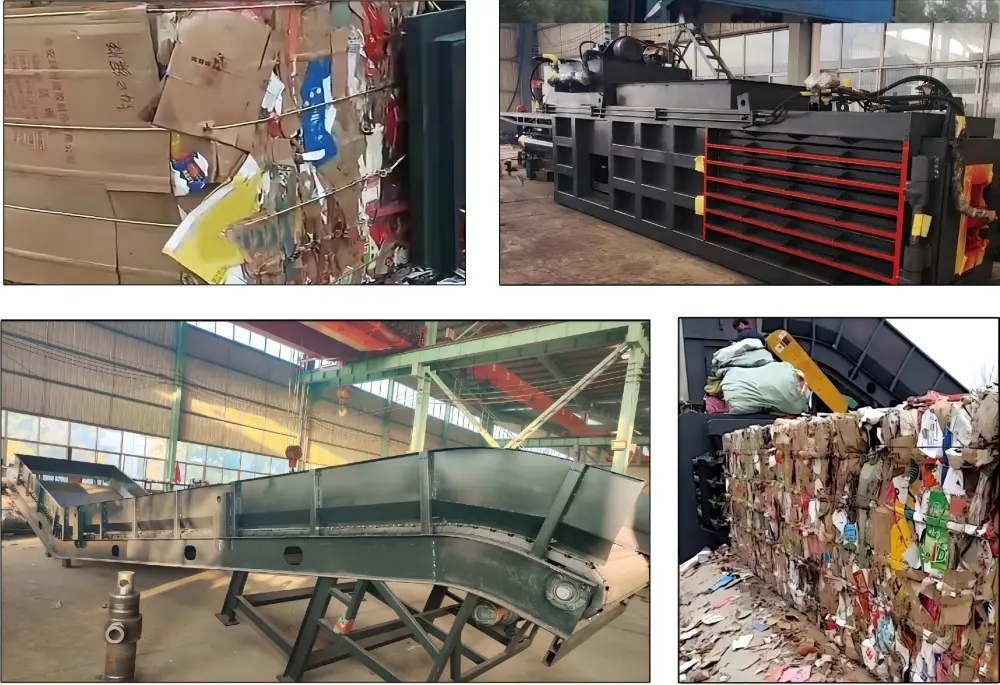


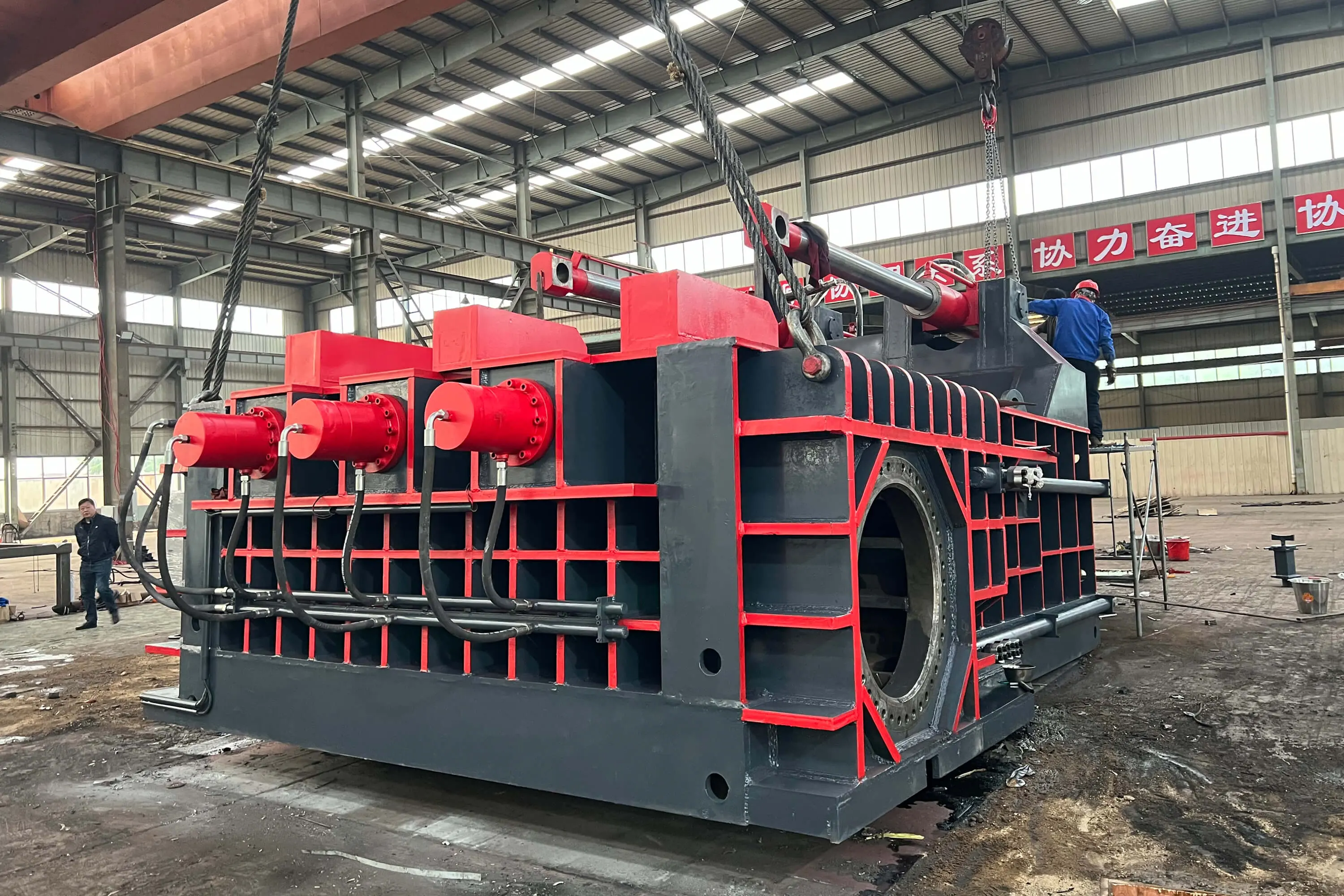
What is a Waste Paper Baler and How Does It Work?
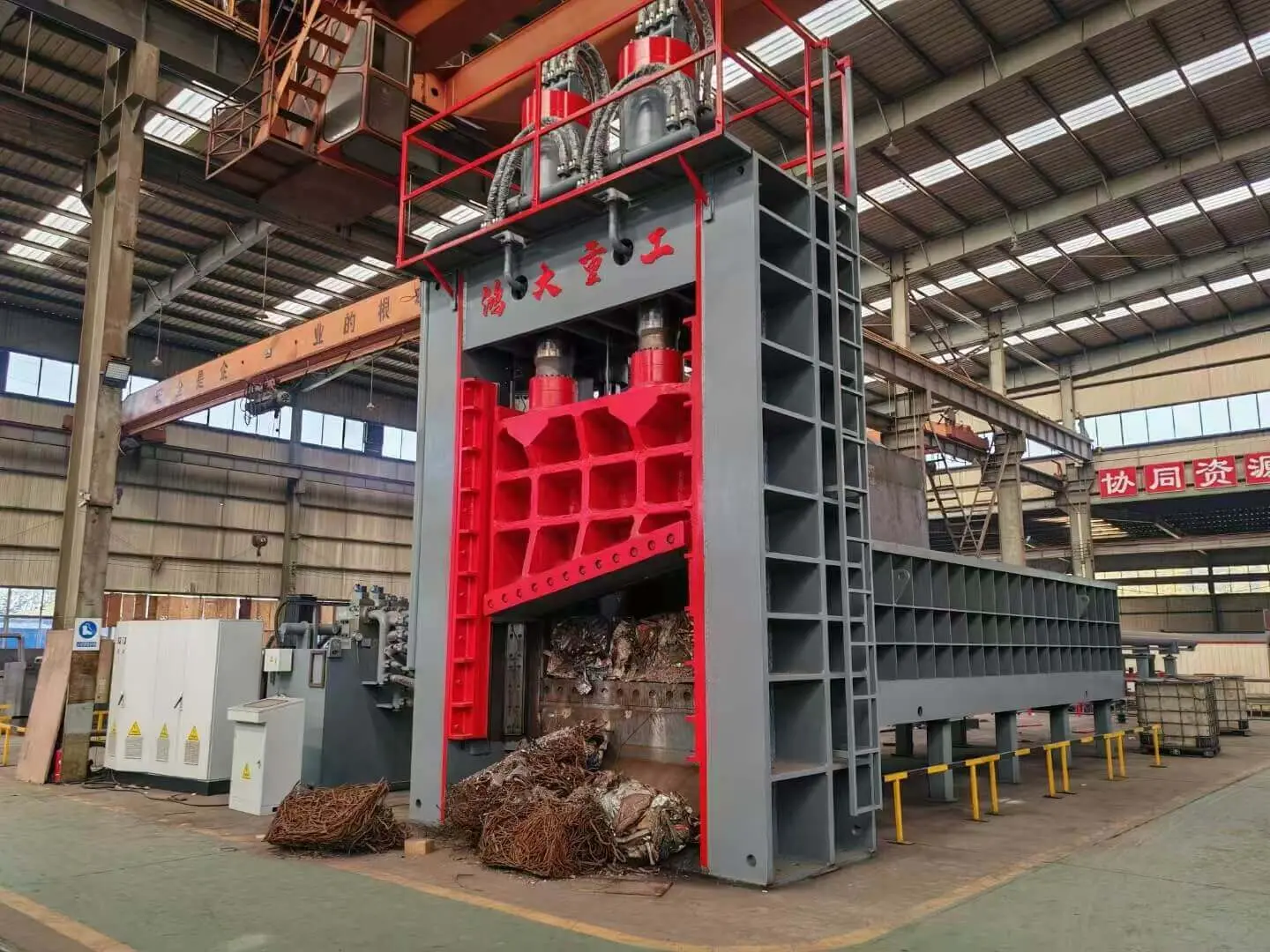
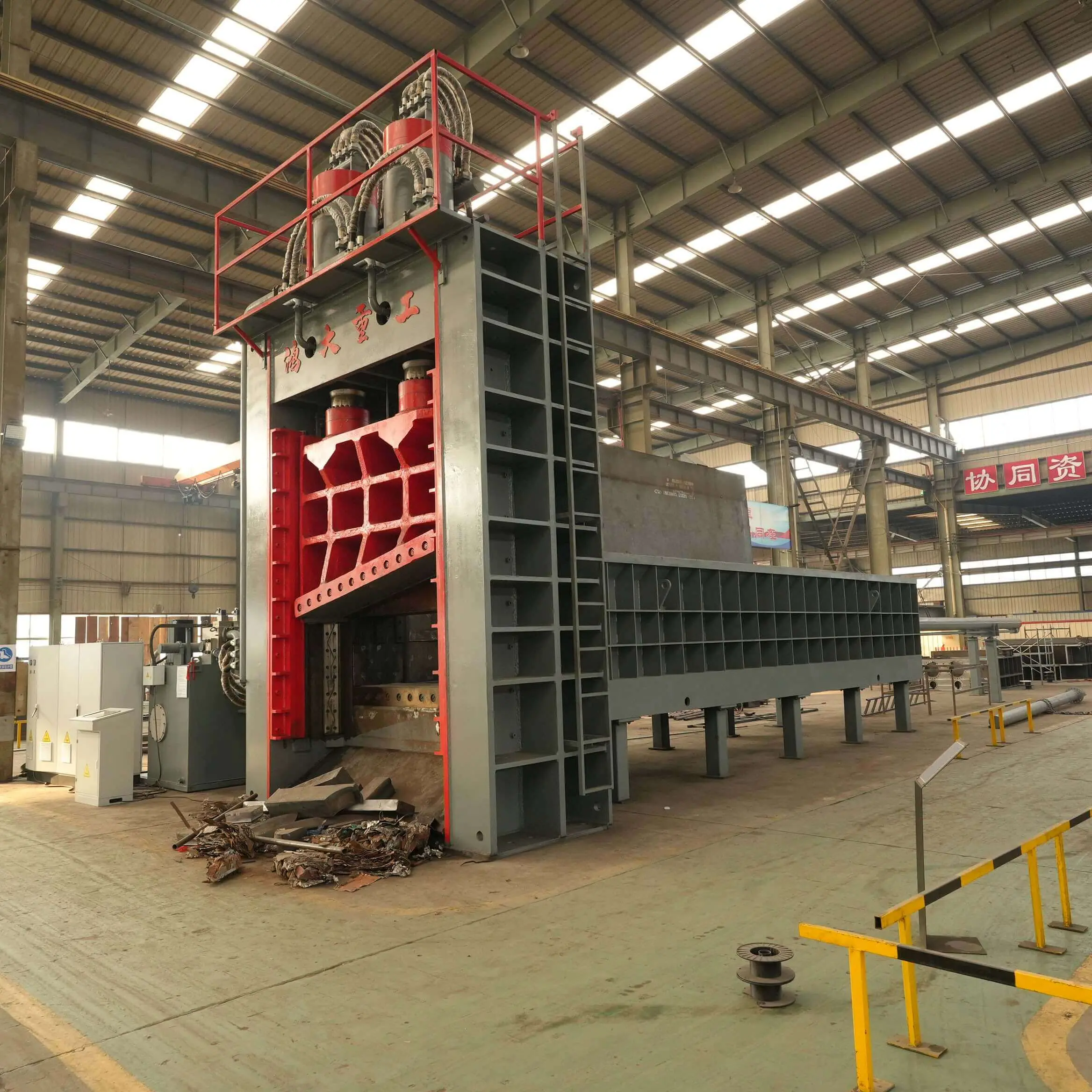
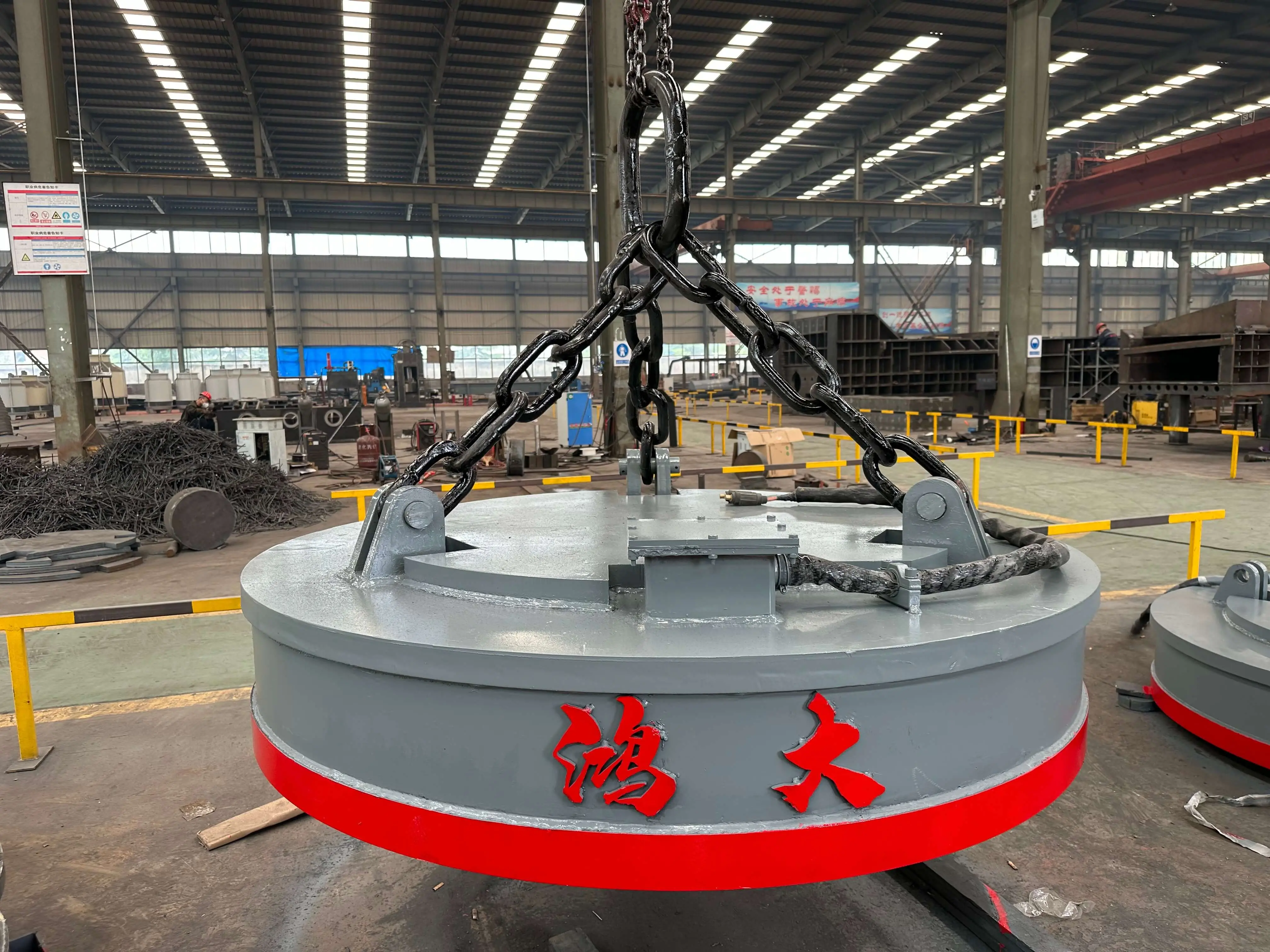
In today's industrial and recycling sectors, efficient waste management is critical. A waste paper baler plays a pivotal role in consolidating, compressing, and preparing paper waste for recycling or transportation. From scrap Metal Recycling facilities to logistics terminals, the right baler ensures productivity, safety, and environmental compliance. Understanding how these machines work and their applications can help businesses streamline operations and reduce operational costs.
Key Features of Waste Paper Balers
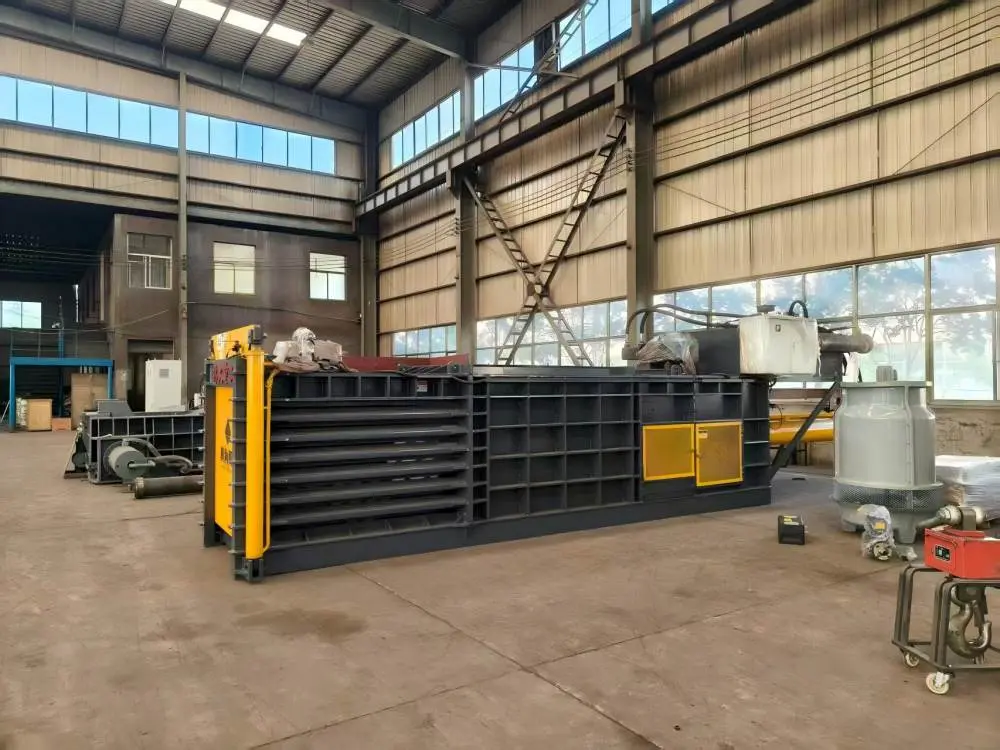
Modern waste paper balers are designed for heavy-duty industrial use, offering flexibility, safety, and efficiency. Here are the key features:
Hydraulic Operation: All models are hydraulically driven, providing reliable and consistent compression for various types of paper waste.
Flexible Control Options: Choose between manual operation or PLC automatic control for precision and efficiency.
Multiple Discharge Methods: Flipping, pushing (side or forward), or manual bagging options allow operators to handle output in ways that suit their facility.
Customizable Bale Size: Compression chamber size and bale dimensions can be tailored to meet specific operational requirements.
Low-Noise Design: Advanced hydraulic circuits minimize noise while maintaining high performance and low failure rates.
User-Friendly Operation: Simple button operation and PLC control ensure safety and ease of use, reducing the need for intensive operator training.
Optional Diesel Power: For facilities without reliable electricity, diesel engines can power the baler for uninterrupted operation.
Technical Specifications of Industrial Waste Paper Balers
Industrial balers vary in pressure, bale size, motor power, and throughput. Some typical specifications include:
Model Main Cylinder Pressure Feed Opening (mm) Bale Size (mm) Bale Weight (kg) Motor Power Conveyor Width (mm)
HPM-125 125 2050 x 1100 1100 x 1250 820–1150 37 kW 1600
HPM-160 180 2050 x 1120 1120 x 1300 900–1350 44 kW 1600
HPM-250 250 2050 x 1120 1120 x 1300 1050–1300 82.5 kW 1600
HPM-315 315 2050 x 1120 1120 x 1330 1100–1400 89.5 kW 1600
HPA-125 125 2200 x 1100 1100 x 1250 790–1250 74.5+7.5 kW 1600
HPA-160 160 2200 x 1100 1100 x 1250 830–1400 9C+7.5 kW 1600
HPA-180 180 2200 x 1100 1100 x 1100 810–1350 180 kW 1600
HPA-280 280 2000 x 1100 1200 x 1200 ≥25T/h (municipal waste) 74.5+5.5 kW 1600
These specifications allow operators to select a baler tailored to their production volume, paper type, and facility layout.
Applications of Waste Paper Balers
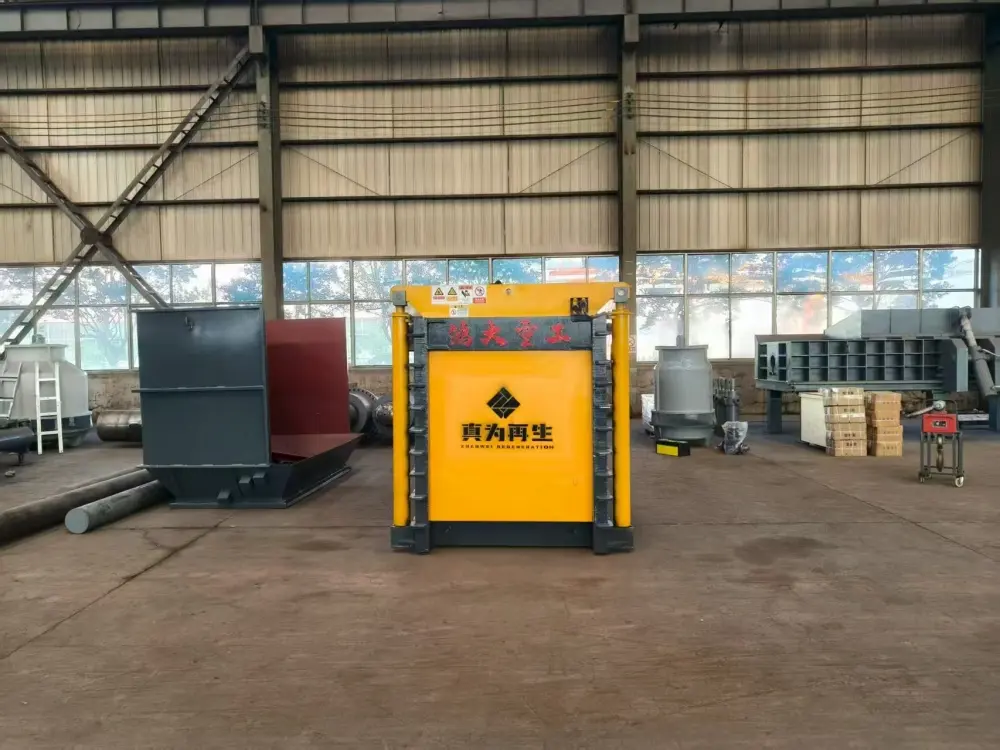
Waste paper balers serve multiple industries and operational needs:
Scrap Metal Recycling Companies: Compressing cardboard, paper rolls, and packaging for easier storage and transport.
Steel Mills & Foundries: Handling office waste, packaging, and other paper by-products in manufacturing environments.
Auto Dismantling & ELV Centers: Managing paper components and packaging waste from automotive dismantling.
Ports, Yards & Logistics Terminals: Streamlining the handling of packaging waste generated from incoming and outgoing shipments.
Metal Fabrication & Processing Plants: Efficiently compressing paper and cardboard used in packing machinery or raw materials.
Renewable Resource Enterprises: Consolidating paper for recycling or energy recovery.
Aluminum Extrusion & Sheet Manufacturers: Managing paper protective layers and packaging material efficiently.
Other industries include construction, curtain wall companies, and automotive & aerospace component suppliers where paper and cardboard waste is abundant.
Customer Case Studies
Case 1: Scrap Recycling Facility in São Paulo
A major recycling company installed the HPM-250 baler to handle office waste and cardboard. The machine achieved a throughput of 12–15 tons per hour, reducing storage space by 40% and improving handling efficiency.
Case 2: Automotive Parts Manufacturer
In a UAE automotive plant, the HPA-160 baler compressed packaging waste and protective paper layers. With PLC automation, operators achieved consistent bale sizes, reducing labor costs and improving logistics for transport to recycling facilities.
Case 3: Aluminum Sheet Processing Plant
A Turkish aluminum extrusion facility used the HPA-180 baler to handle corrugated cardboard and paper sleeves. The machine’s hydraulic system efficiently compressed the material into uniform bales, making storage and shipment faster and safer.
These examples highlight the versatility and ROI potential of modern waste paper balers in industrial environments.
Investing in a waste paper baler provides industrial operations with a reliable, safe, and efficient method for handling paper waste. From hydraulic design and customizable bale sizes to low-noise operation and PLC automation, these machines enhance productivity, reduce operational costs, and support environmental goals. Across industries—from recycling centers and steel mills to automotive and aluminum plants—waste paper balers are essential for streamlined, cost-effective waste management.
FAQ
- What is a waste paper baler and how does it work?
A waste paper baler compresses loose paper into compact bales using hydraulic pressure. These bales are easier to handle, store, and transport for recycling or disposal.
- What types of paper waste can a baler handle?
Industrial balers can process cardboard, office paper, newspaper, paper rolls, and packaging materials. Some models also handle municipal paper waste.
- How do I choose the right baler for my facility?
Consider your throughput needs, bale size, available space, power supply, and automation requirements. Hydraulic Balers with PLC controls are ideal for high-volume operations.
- What are the main benefits of using a waste paper baler?
Key benefits include reduced storage space, lower labor costs, faster logistics, and improved recycling efficiency. Modern balers also enhance workplace safety and reduce environmental impact.
This article is structured to optimize Google AI Overview and Featured Snippets visibility, with clear headings, bullet points, technical details, and FAQs.