


What is a Waste Paper Baler and How Does It Work?
Efficient Recycling and Space Optimization for Modern Industrial Operations
In modern industrial environments—where tons of waste paper, packaging, and recyclable materials accumulate every day—efficient material management is essential. A waste paper baler transforms loose waste into compact, manageable bales, making transport, storage, and recycling faster, safer, and more cost-effective.
From recycling companies and logistics terminals to manufacturing plants, this machine has become a vital tool for streamlining workflow and reducing waste volume across industries.
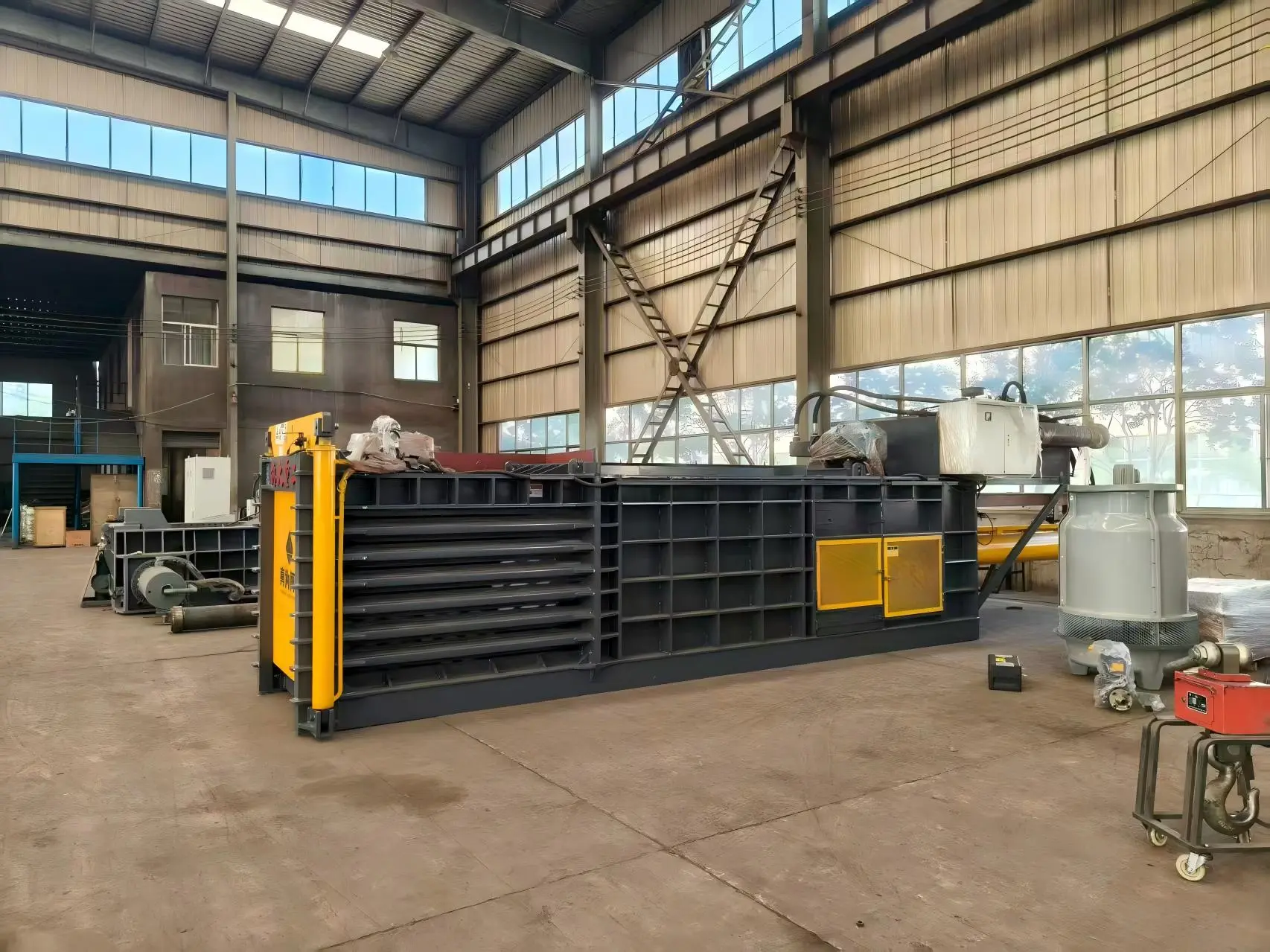
Understanding the Waste Paper Baler
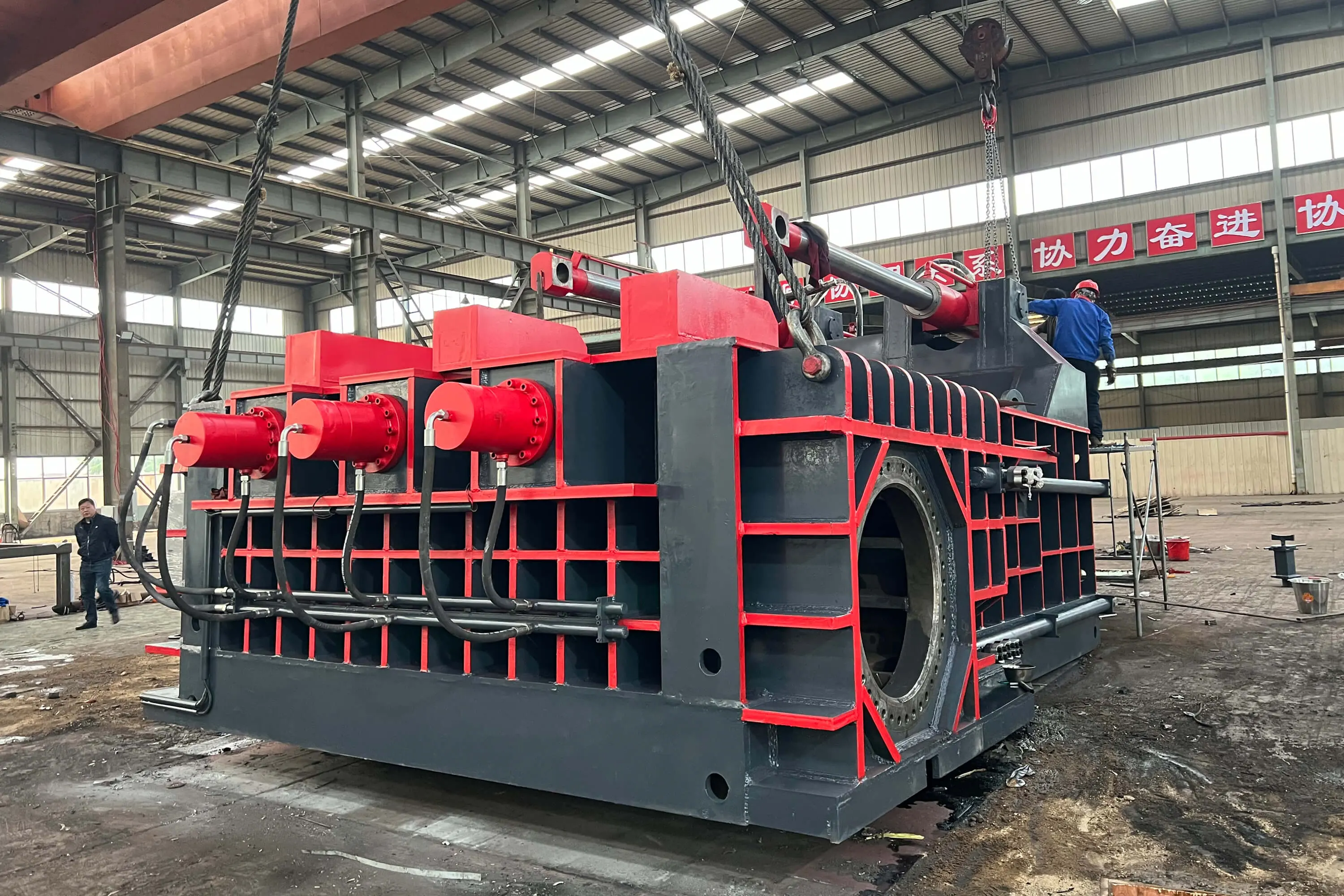
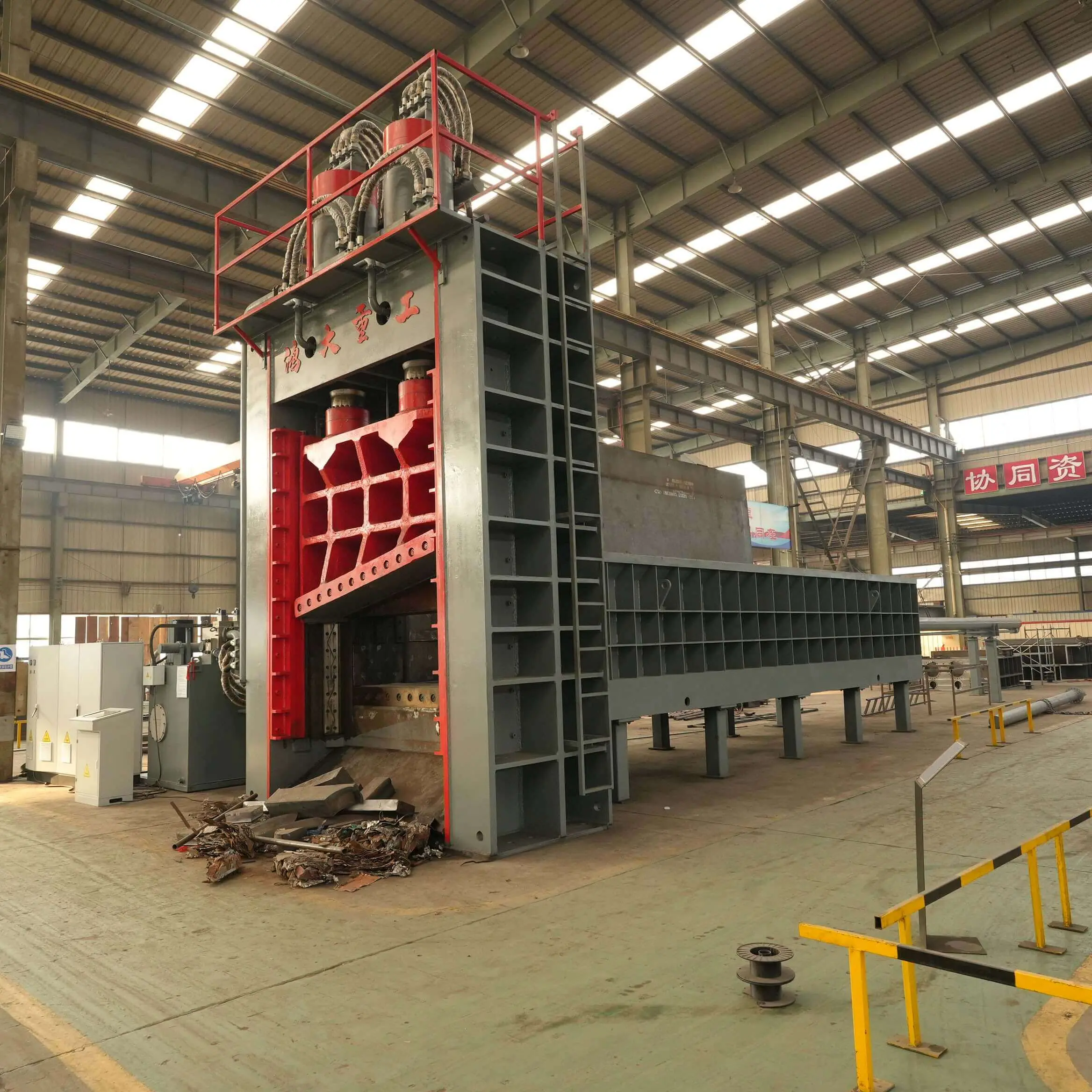
A waste paper baler is a specialized compaction machine designed to compress loose recyclable materials—such as waste paper, cardboard, and corrugated boxes—into dense, rectangular bales. Once compacted, these bales are tied with steel wires or plastic straps, allowing easy handling, stacking, and transport.
Unlike standard compactors, a baler is engineered for high compression ratios, ensuring uniform bale size and density that meet recycling or export standards.
Typical Materials Processed
-
Waste paper and cardboard
-
Corrugated boxes and cartons
-
Magazines, books, and office paper
-
Paperboard trimmings and packaging waste
-
Optional: soft plastic films and stretch wraps
Technical Specifications and Performance Parameters
Waste paper balers are available in vertical and horizontal configurations to meet different processing capacities and automation levels.
Core Features
-
Hydraulic Compression System: Provides stable, high-pressure compaction with uniform density.
-
PLC Intelligent Control: Enables automated feeding, compression, and bale ejection.
-
Safety Interlocks & Emergency Stops: Ensure operator safety and machine protection.
-
Energy-Efficient Operation: Optimized power use without compromising output.
-
Customizable Bale Dimensions: Adjusted for different transport or export requirements.
These performance characteristics make waste paper balers ideal for continuous, high-volume recycling and industrial waste management.
How Does a Waste Paper Baler Work?
The working process of a baler is simple, efficient, and automated—integrating hydraulic compression with mechanical tying and discharge systems.
Working Principle – Step by Step
-
Material Feeding: Waste paper, cardboard, or packaging is loaded into the compression chamber manually or via conveyor.
-
Compression: The hydraulic ram pushes the material into the chamber, compacting it under high pressure.
-
Tying and Binding: When the target density is reached, the bale is automatically tied with steel wire or plastic straps.
-
Ejection: The finished bale is discharged automatically to a conveyor or storage platform.
-
Cycle Reset: The system resets automatically, ready for the next batch within seconds.
This continuous cycle can be repeated hundreds of times per shift, achieving high efficiency, uniform bale quality, and low labor costs.
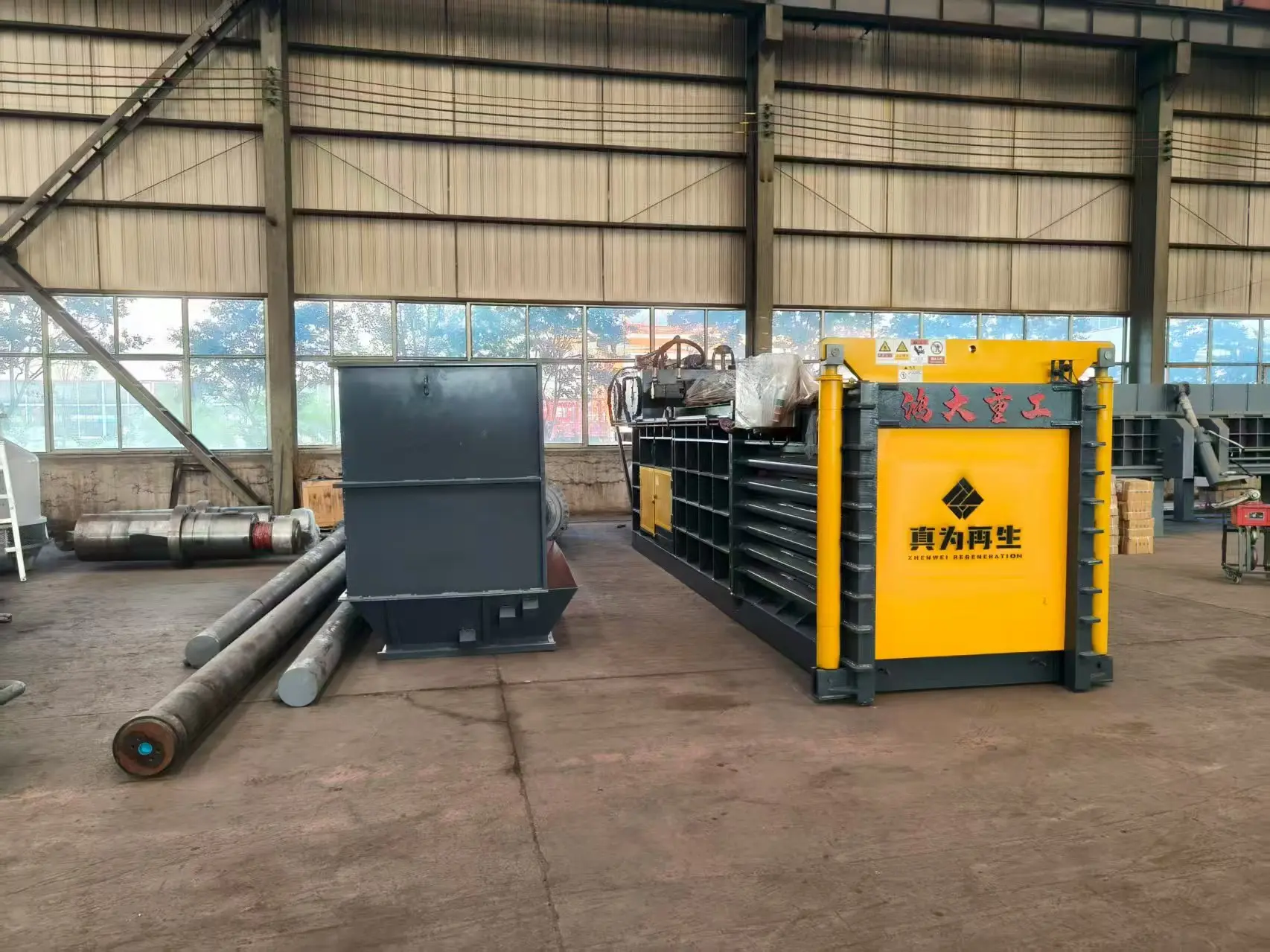
Industrial Applications
The versatility of waste paper balers makes them valuable across a wide range of industries:
1. Recycling & Resource Recovery
Ideal for waste management companies and renewable resource enterprises to process office paper, cardboard, and packaging residues.
2. Metal and Alloy Industries
Heavy-duty horizontal balers can also handle light metal scraps, such as aluminum cans or foil, in steel mills and foundries.
3. Logistics & Distribution Centers
At ports, warehouses, and logistics terminals, balers help reduce packaging waste volume and optimize warehouse space.
4. Automotive & Aerospace Sectors
Used by auto dismantling centers and aerospace suppliers to manage packaging waste, documents, and recyclable materials efficiently.
5. Construction & Curtain Wall Companies
Support on-site sustainability by compacting recyclable packaging and debris for easier waste collection.
Advantages of Using a Waste Paper Baler
Volume Reduction: Compresses bulky waste by up to 90%, saving space and reducing transport costs.
Operational Efficiency: Automates handling, increasing daily output and productivity.
Cost Reduction: Minimizes labor input and waste hauling expenses.
Environmental Compliance: Helps meet green manufacturing and recycling standards.
Workplace Cleanliness & Safety: Keeps work areas organized and reduces fire hazards.
Integrating a waste paper baler into production or recycling operations helps companies boost efficiency, cut operational costs, and achieve sustainability goals simultaneously.
Why It Matters for Modern Industry
For industries managing mixed recyclable materials—whether metal scraps, cardboard, or packaging residues—a waste paper baler is not just a machine; it’s a strategic investment.
By converting loose waste into compact, recyclable units, it enhances:
-
Material flow efficiency
-
Space utilization
-
Environmental responsibility
This combination of productivity and sustainability makes the baler an essential part of the modern recycling ecosystem.
The waste paper baler is a key player in industrial recycling systems. It helps companies transform scattered, bulky materials into compact, easy-to-handle bales—simplifying logistics, improving safety, and promoting sustainability.
Whether in a recycling facility, manufacturing plant, or logistics hub, adopting automated baling technology delivers measurable improvements in space efficiency, operational safety, and environmental performance.
FAQs
Q1: What is the primary purpose of a waste paper baler?
A1: It compresses loose waste paper and cardboard into compact bales for efficient storage, transport, and recycling.
Q2: How does a waste paper baler work?
A2: Using hydraulic pressure, the baler compresses materials inside a chamber, automatically ties them with wire or straps, and ejects them for handling.
Q3: Which industries commonly use waste paper balers?
A3: Recycling facilities, paper mills, logistics centers, manufacturing plants, and packaging companies.
Q4: What is the difference between vertical and horizontal balers?
A4: Vertical balers are suited for small to medium volumes, while horizontal balers are fully automated and designed for large-scale, continuous operations.