


Revolutionizing Scrap Compression in India's Heavy Industries
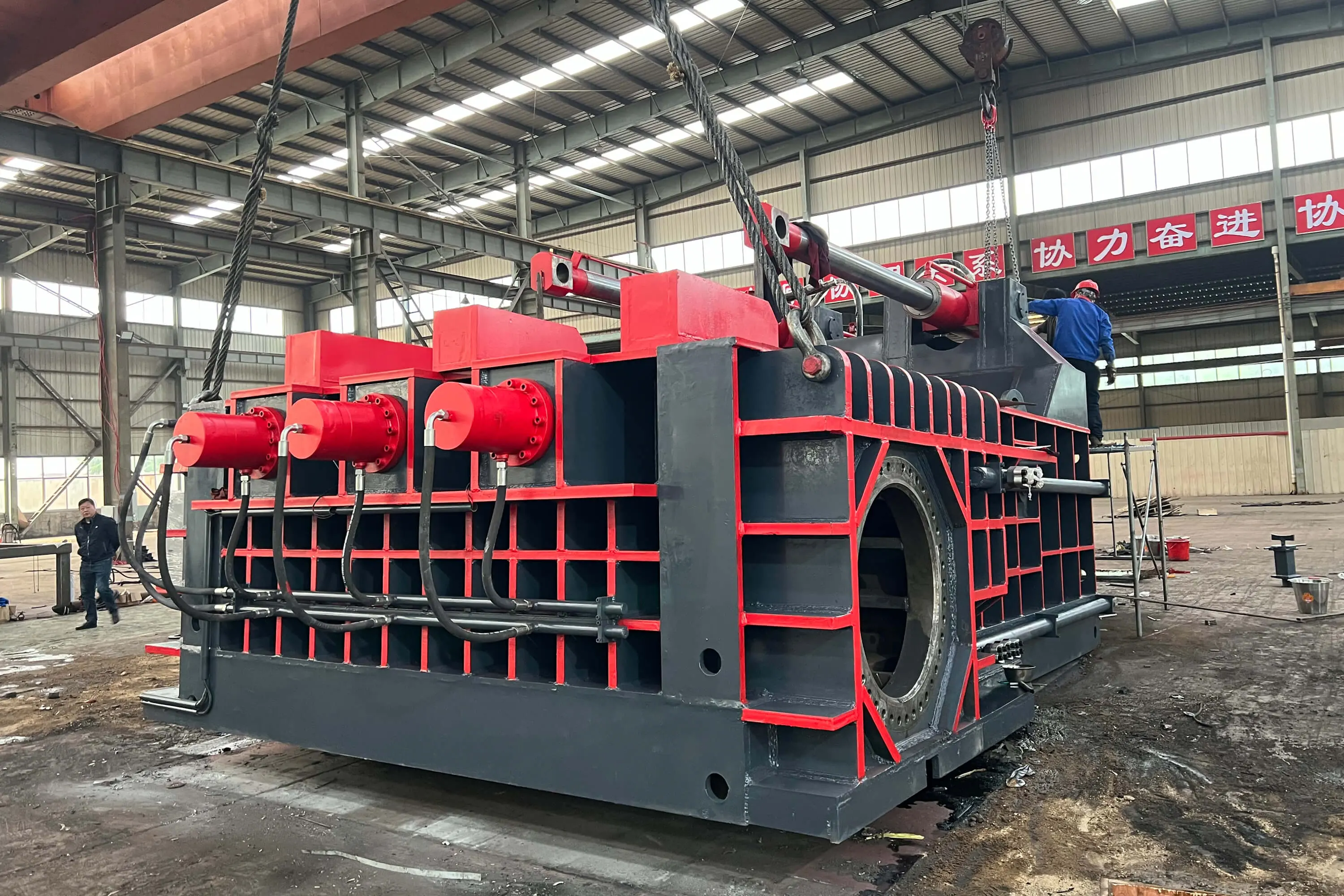
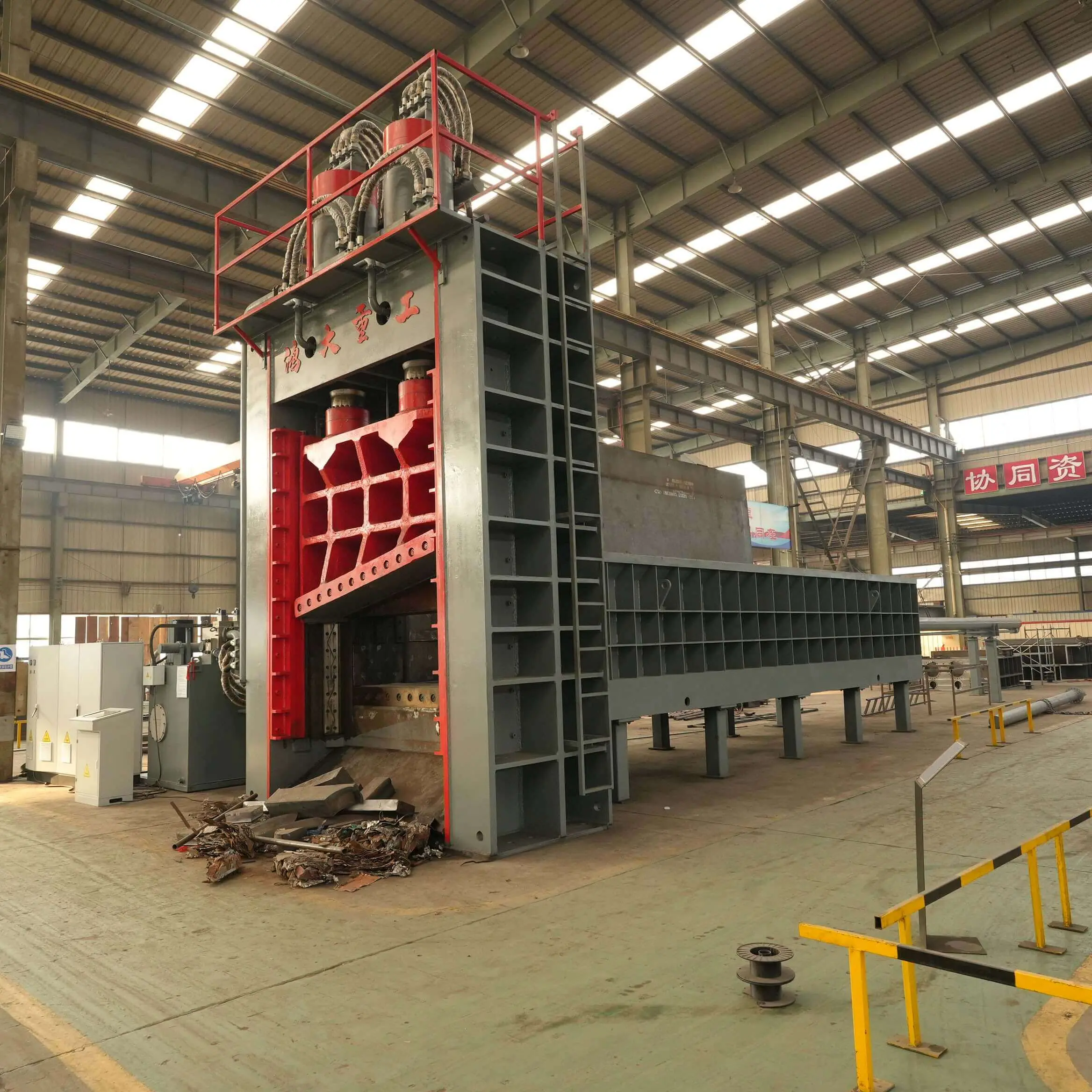
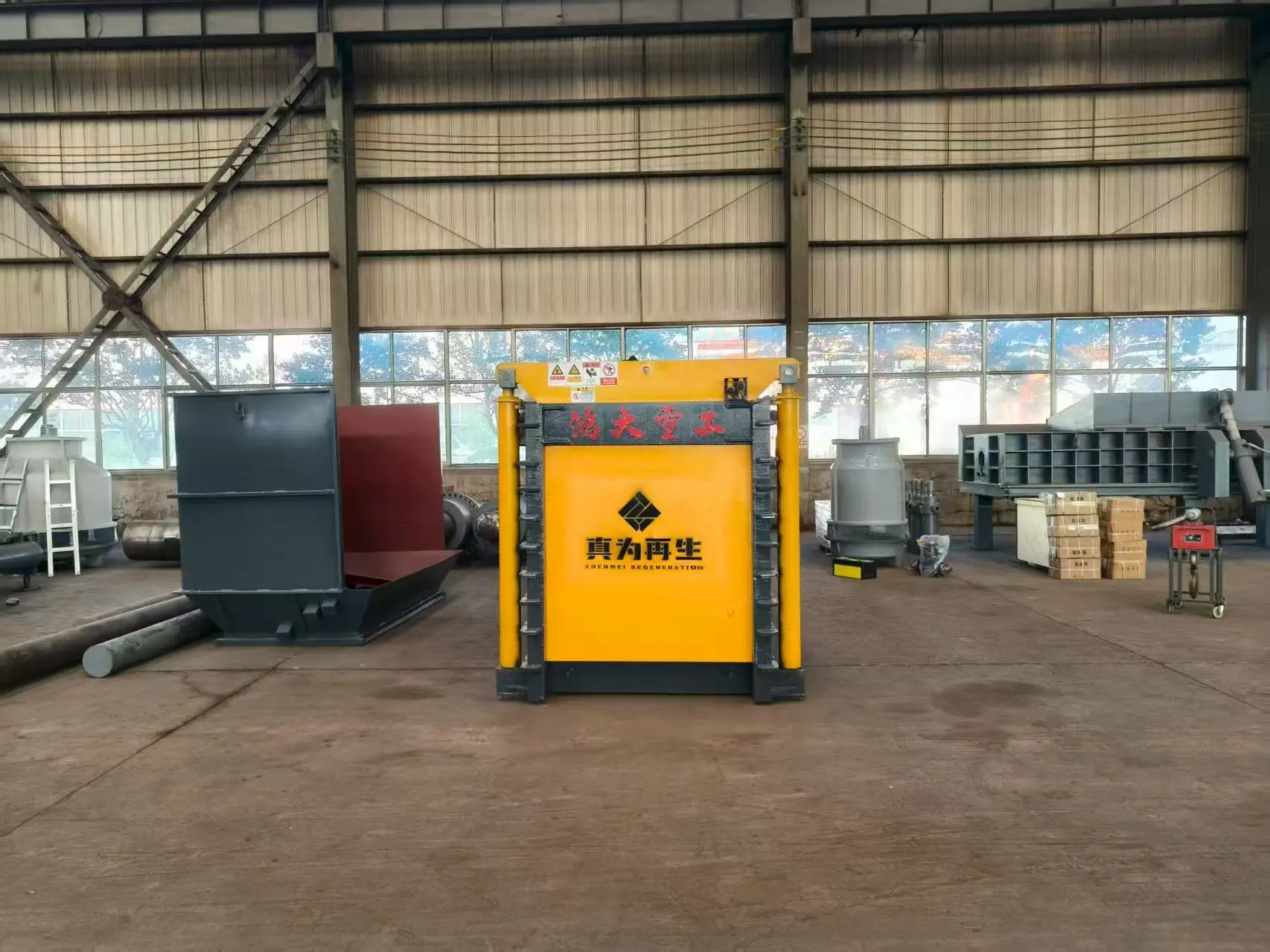
In the fast-growing Indian industrial landscape, Metal Balers are emerging as game-changing equipment. These robust machines compress loose scrap metal into dense, manageable bales, driving efficiency in recycling, logistics, and manufacturing sectors across India.
Why Metal Balers Are Critical for India
India’s rapid industrial growth brings with it vast amounts of scrap—from demolished buildings to automotive parts. Traditional handling methods (loose piles, wire-bound bundles) are inefficient, costly, and environmentally taxing. Metal balers offer a smarter alternative by converting scrap into compact, transport-ready bales—transforming waste into value.
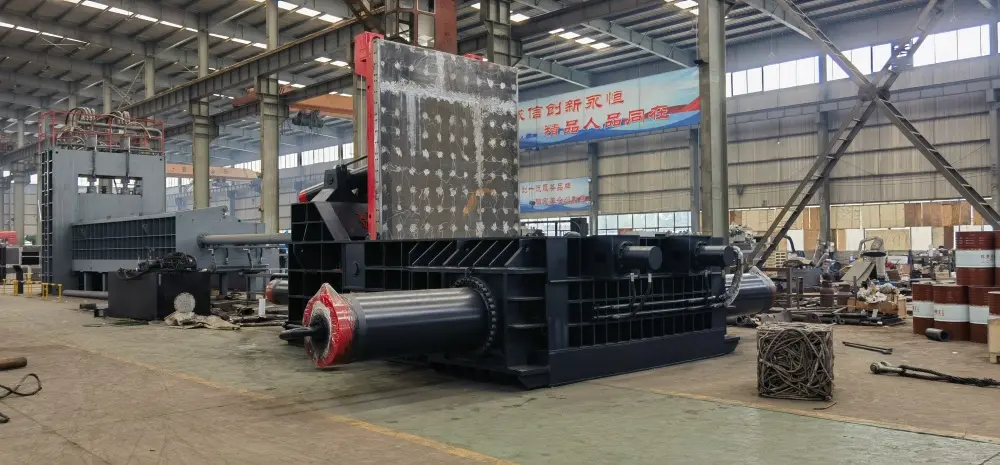
Applications & Use Cases
- Scrap Metal Recycling Companies
Compress mixed steel, aluminum, copper into standardized bales
Reduce transport costs and improve sorting efficiency
- Steel Mills & Foundries
Create furnace-ready Scrap Bales that optimize melting
Improve feed consistency and reduce energy usage
- Auto Dismantling & ELV Centers
Compact engine casings, chassis, and metal panels
Minimize onsite clutter and simplify resale logistics
- Ports, Yards & Logistics Terminals
Prepare export-grade bales for container stacking
Maximize shipping density and minimize handling time
- Metal Fabrication & Processing Plants
Process sheet offcuts, tubes, trim scrap into tight bales
Keep workshops clutter-free and material-ready
- Renewable Resource Enterprises
Recycle structural metal and beams from construction/demolition
Enable cleaner processing for circular economy models
- Heavy Equipment Dealers & Distributors
Offer baler + downstream equipment bundles
Open new markets in recycling and waste management
- Aluminum Extrusion & Sheet Manufacturers
Compact swarf, die cuttings, coil remnants
Securely package scrap for resale or recycling
- Aluminum Recycling Plants
Prepare clean aluminum bales devoid of steel inclusions
Ensure high-melt value and furnace compliance
- Auto & Aerospace Component Suppliers
Bundle high-value alloy scrap for premium recovery
Integrate balers into waste-to-profit workflows
- Construction & Curtain-Wall Companies
Compact aluminum profiles, cladding, and framing scraps
Reduce site footprint and transport inefficiencies
- Scrap Importers/Distributors
Prepare export-grade bales to meet global quality standards
Compare bale uniformity and shipping performance
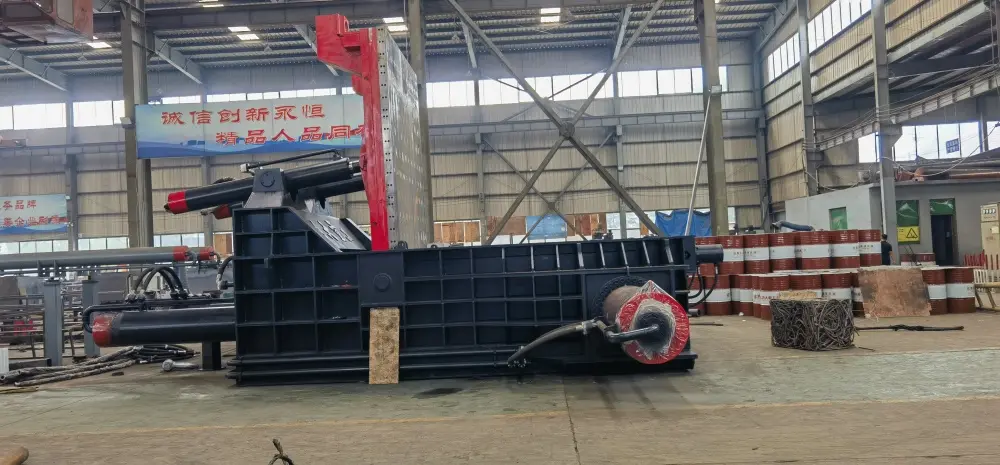
Core Benefits Across Industries
Space Efficiency – Up to 85% volume reduction
Cost Savings – Less transport, fewer trucks
Operational Safety – Automated operation with minimal manual risk
Processing Speed – Ready scrap in one press stroke
Consistency – Uniform bales streamline inventory control
Energy Efficiency – Lower melting energy with dense bales
Green Compliance – Supports India’s circular economy agenda
Sample Workflow in a Steel Mill
Collection – Loose scrap from mill waste
Feeding – Conveyed into baler hopper
Compression – Pressed into mechanically stable bales
Binding – Tied or structured by integrated strapping
Transport – Moved via forklift to storage or shipping
Melting – Direct furnace input with minimal preparation
This workflow cuts handling time, boosts throughput, and enhances furnace consistency.
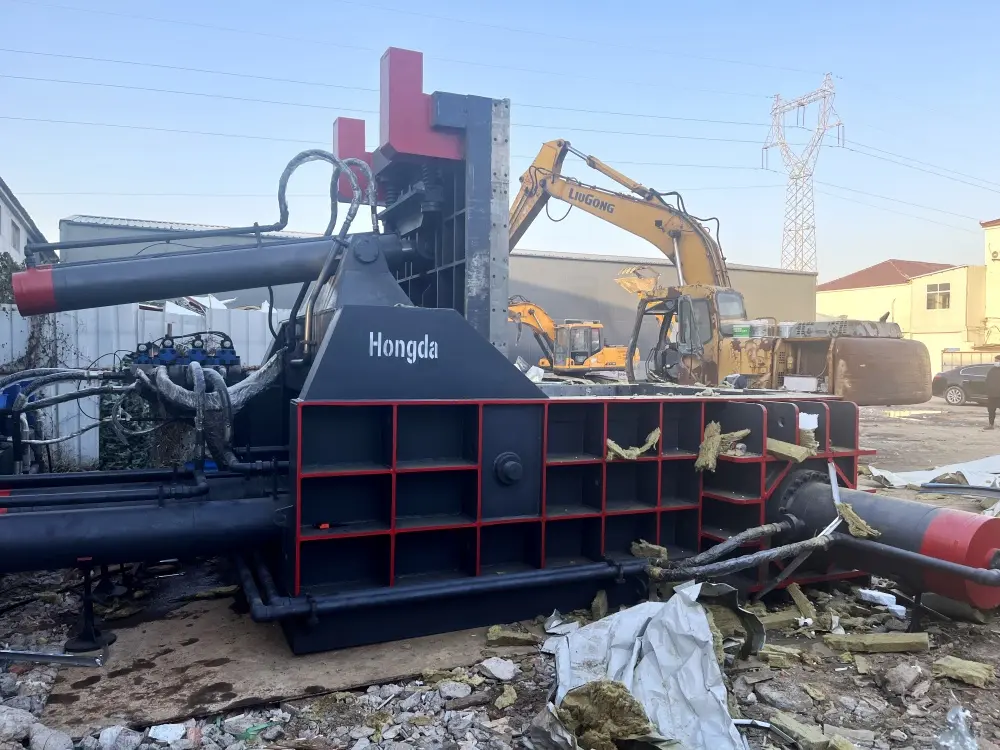
Industry Trends & Market Drivers
Environmental Legislation: India’s Clean Energy and RRR targets encourage metal recycling
Logistics Efficiency: Rising freight costs incentivize volumetric compression
Automation Push: Smart plants are integrating PLC-controlled balers with conveyor systems
Export Standards: EU/US markets demand standardized scrap bales
Private Sector Growth: New auto, aerospace, and fabrication ventures need cost-effective scrap solutions
Metal balers are no longer optional—they are essential assets for India’s industrial ecosystem. Fueling efficiency from scrap yards to steel mills and demolition sites to fabricators, these machines convert loose metal waste into standardized, transport-ready bales. Across sectors, they deliver real-world benefits: lower costs, safer operations, tighter integration, and environmental compliance.
FAQ
Q1: What metals can be baled?
Any ferrous and non-ferrous scrap—including steel, aluminum, copper—in dense and uniform bales.
Q2: Are balers compatible with automation systems in Indian plants?
Yes—many models integrate with PLCs, conveyors, and sensors for fully automated baling lines.
Q3: How do Baled Scrap bales enhance furnace performance?
Uniform drainage and less void space lead to efficient melting, consistent feed, and reduced energy usage.
Q4: What maintenance do metal balers require?
Routine checks include hydraulic fluid, blade condition, pressure calibration, and emergency controls—minimal downtime for high volume work.
Metal balers stand as strategic tools in India’s heavy industry landscape, advancing logistics, sustainability, and bottom lines—an indispensable part of modern industrial workflows.