


Metal Baling Machines Handle Over 95% of Common Scrap Metals
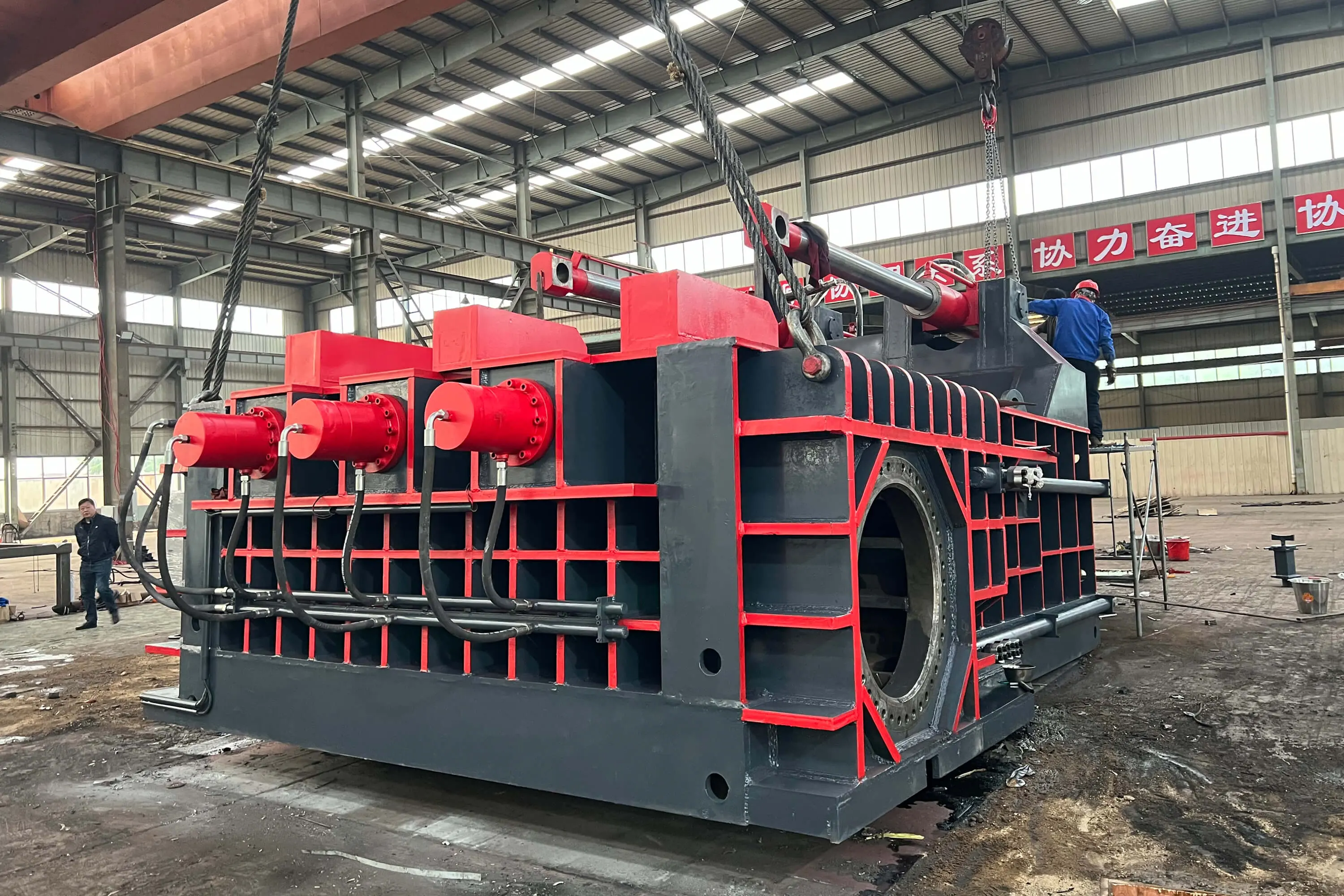
In modern scrap processing, the value of metal is closely tied to how efficiently it can be handled, stored, and transported. Loose scrap takes up space, increases logistics costs, and slows down downstream operations. This is why Metal Baling Machines remain a core piece of equipment across recycling yards, mills, and dismantling facilities.
Understanding what types of scrap metals a metal baling machine can process helps buyers select the right configuration and avoid costly mismatches between machine capability and real-world material flow.
Why Scrap Type Determines Baler Performance
Not all scrap behaves the same under compression. Thickness, elasticity, contamination level, and material hardness directly affect bale density and cycle efficiency.
Metal baling machines are designed to process light to medium-density scrap that benefits most from volume reduction. When matched correctly, they can reduce material volume by 70–85%, improving storage efficiency and transport economics.
Ferrous Scrap Metals Commonly Processed
Mild Steel and Carbon Steel Scrap
These are the most common materials processed by Metal Balers:
-
Steel sheets and plate offcuts
-
Press shop scrap and stamping waste
-
Steel strapping and wire
-
Light structural sections
They compress well and form stable, transport-ready bales suitable for furnace charging or resale.
Scrap from Fabrication and Machining
Manufacturing plants often bale:
-
Steel turnings mixed with light offcuts
-
Trim scrap from cutting and punching lines
-
Assembly rejects and production leftovers
Balers help keep workshops clean while preparing scrap for regular collection.
Non-Ferrous Scrap Suitable for Baling
Aluminum Scrap (High Volume, High Value)
Metal baling machines are widely used for aluminum processing, including:
-
Extruded aluminum profiles
-
Sheet and coil edge trims
-
Aluminum cans and light packaging scrap
-
Window frames and curtain wall offcuts
Baling aluminum significantly lowers transport costs and prevents material loss.
Copper and Brass Scrap
While copper is heavier, balers are effective for:
-
Copper wire bundles (stripped or clean)
-
Busbar offcuts
-
Brass fittings and valves
Uniform bales improve grading accuracy and simplify export logistics.
Scrap from Vehicle and Equipment Dismantling
Auto dismantling and ELV centers commonly bale:
-
Body panels and thin chassis parts
-
Mixed steel assemblies after depollution
-
Light aluminum components
Pre-Baled Scrap feeds more smoothly into shearing or shredding stages.
Scrap Types Typically Not Recommended for Baling
From a practical standpoint, metal balers are not ideal for:
-
Thick solid steel blocks
-
Heavy engine blocks
-
Dense bundled scrap requiring cutting
-
Oversized structural beams
These materials usually require shears, shredders, or crushers before baling becomes effective.
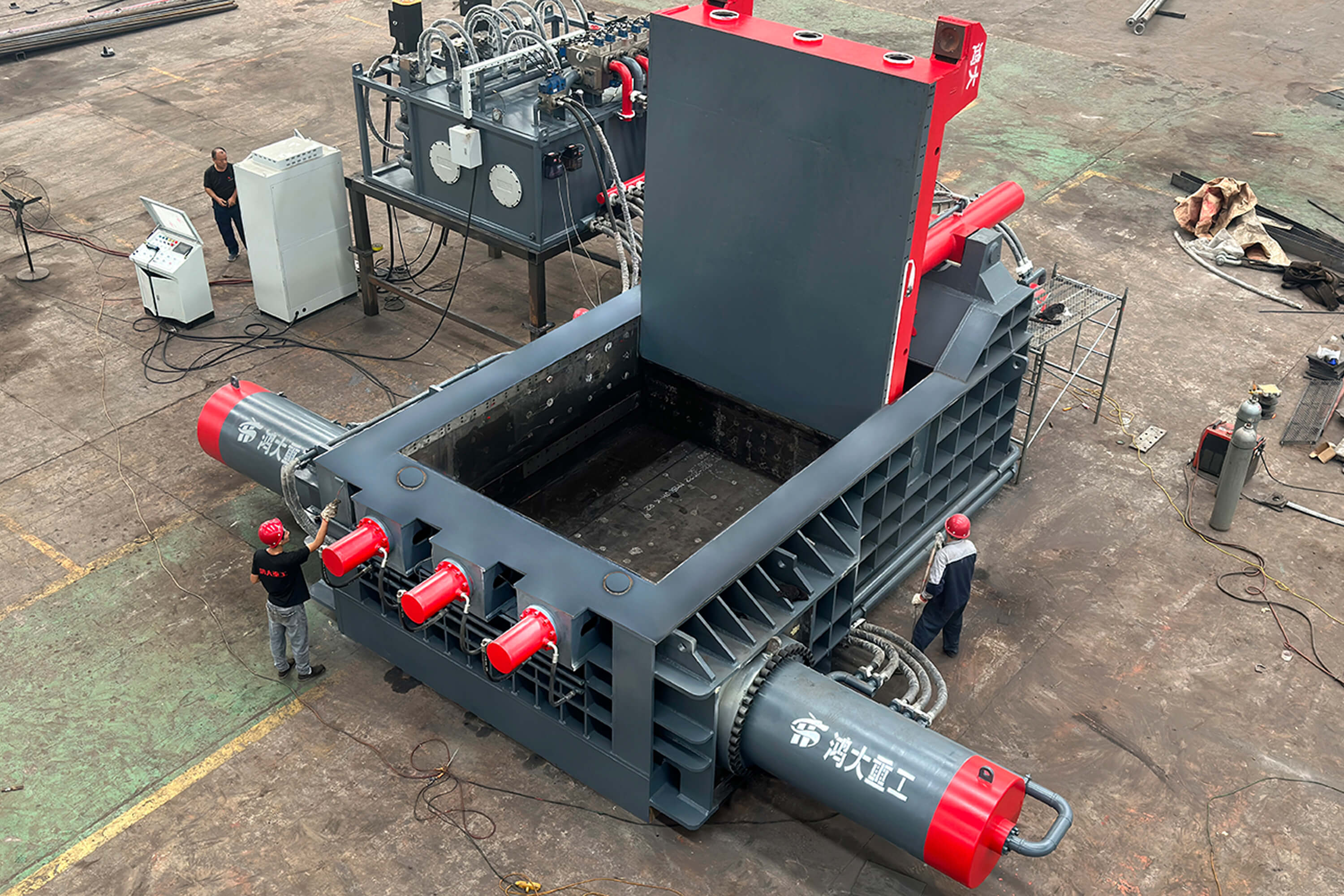
Scrap from Fabrication and Machining
Manufacturing plants often bale:
-
Steel turnings mixed with light offcuts
-
Trim scrap from cutting and punching lines
-
Assembly rejects and production leftovers
Balers help keep workshops clean while preparing scrap for regular collection.
Non-Ferrous Scrap Suitable for Baling
Aluminum Scrap (High Volume, High Value)
Metal baling machines are widely used for aluminum processing, including:
-
Extruded aluminum profiles
-
Sheet and coil edge trims
-
Aluminum cans and light packaging scrap
-
Window frames and curtain wall offcuts
Baling aluminum significantly lowers transport costs and prevents material loss.
Copper and Brass Scrap
While copper is heavier, balers are effective for:
-
Copper wire bundles (stripped or clean)
-
Busbar offcuts
-
Brass fittings and valves
Uniform bales improve grading accuracy and simplify export logistics.
Scrap from Vehicle and Equipment Dismantling
Auto dismantling and ELV centers commonly bale:
-
Body panels and thin chassis parts
-
Mixed steel assemblies after depollution
-
Light aluminum components
Pre-baled scrap feeds more smoothly into shearing or shredding stages.
Scrap Types Typically Not Recommended for Baling
From a practical standpoint, metal balers are not ideal for:
-
Thick solid steel blocks
-
Heavy engine blocks
-
Dense bundled scrap requiring cutting
-
Oversized structural beams
These materials usually require shears, shredders, or crushers before baling becomes effective.
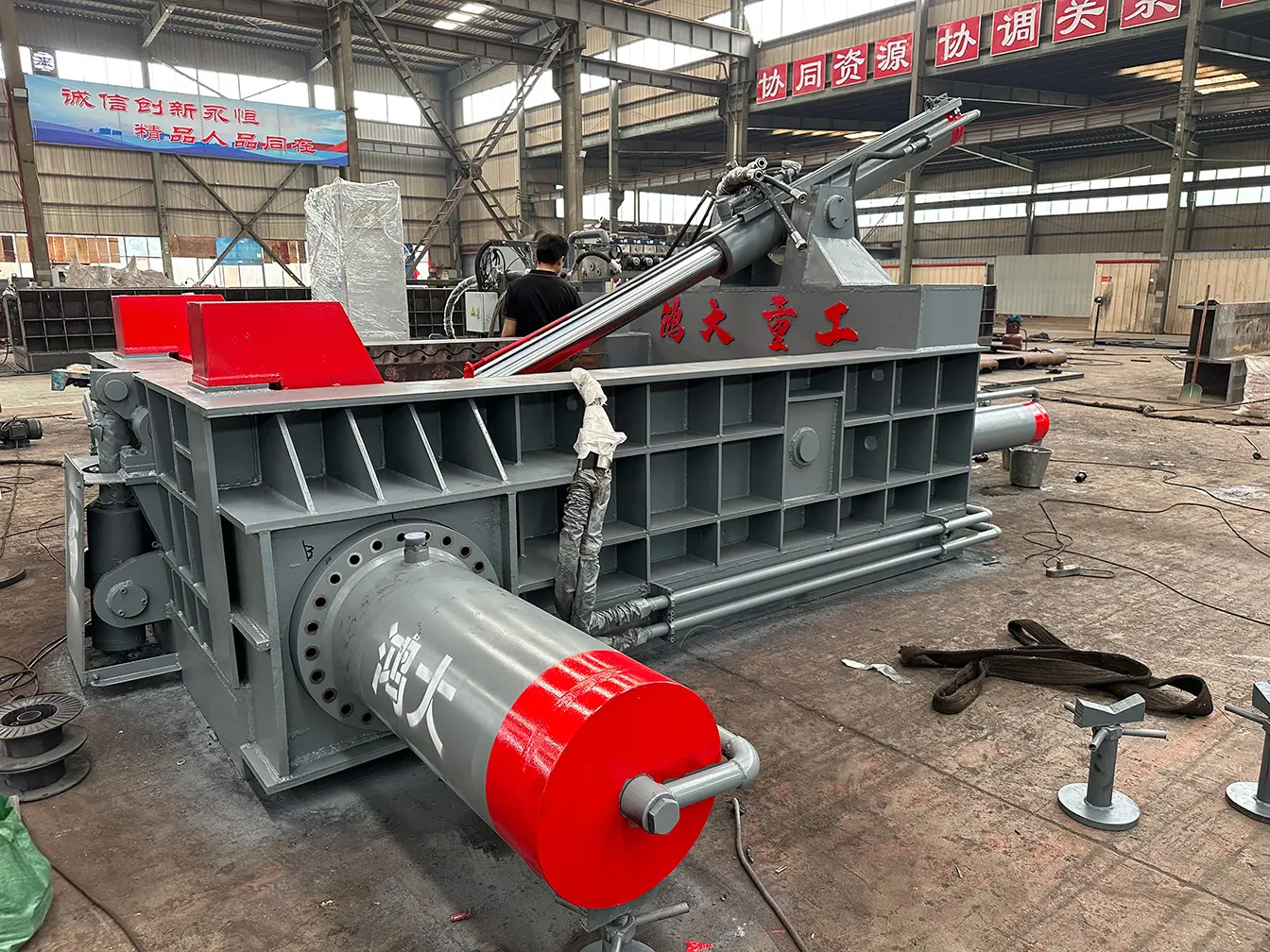
Typical Technical Parameters Buyers Evaluate
When selecting a metal baling machine, operators usually focus on:
-
Pressing force: 80–400 tons
-
Bale size options: customized for transport or furnace feed
-
Chamber size: matched to scrap dimensions
-
Hydraulic system pressure: stable output for continuous use
-
Cycle time: affects daily throughput
-
Manual, semi-automatic, or fully automatic operation
Correct sizing ensures stable bale density and longer equipment life.
Industries That Rely on Metal Baling Machines
Metal balers are widely used across:
-
Scrap Metal Recycling companies
-
Steel mills and foundries
-
Aluminum extrusion and rolling plants
-
Auto dismantling and recycling centers
-
Ports, yards, and logistics terminals
-
Metal fabrication and processing plants
-
Renewable resource and recycling enterprises
In these environments, balers act as volume-control tools, not just compression machines.
Operational Benefits Seen in Daily Use
Facilities using properly matched metal balers typically achieve:
-
Cleaner, safer working areas
-
Reduced manual scrap handling
-
Lower transport and storage costs
-
More consistent scrap quality
-
Improved material turnover speed
These gains directly affect operating margins, especially in high-volume scrap environments.
Metal baling machines can process a wide range of scrap metals, including mild steel, aluminum, copper, brass, and dismantled vehicle components. Their strength lies in handling light to medium-density scrap efficiently, turning loose material into compact, tradable units. When selected based on actual scrap composition and workflow needs, a metal baler becomes a reliable asset for both cost control and operational stability.
FAQ
What types of scrap metals can a metal baling machine process?
Steel, aluminum, copper, brass, and light mixed scrap from fabrication or dismantling operations.
Is aluminum suitable for metal baling machines?
Yes. Aluminum profiles, sheets, and trims are among the most commonly baled materials.
Can metal balers handle mixed scrap materials?
They can, as long as scrap size and density remain within machine design limits.
Do metal baling machines improve transport efficiency?
Yes. Baling typically reduces volume by up to 80%, lowering transport frequency and cost.