


How Do I Choose the Right Gantry Shear for My Scrap Processing Needs?
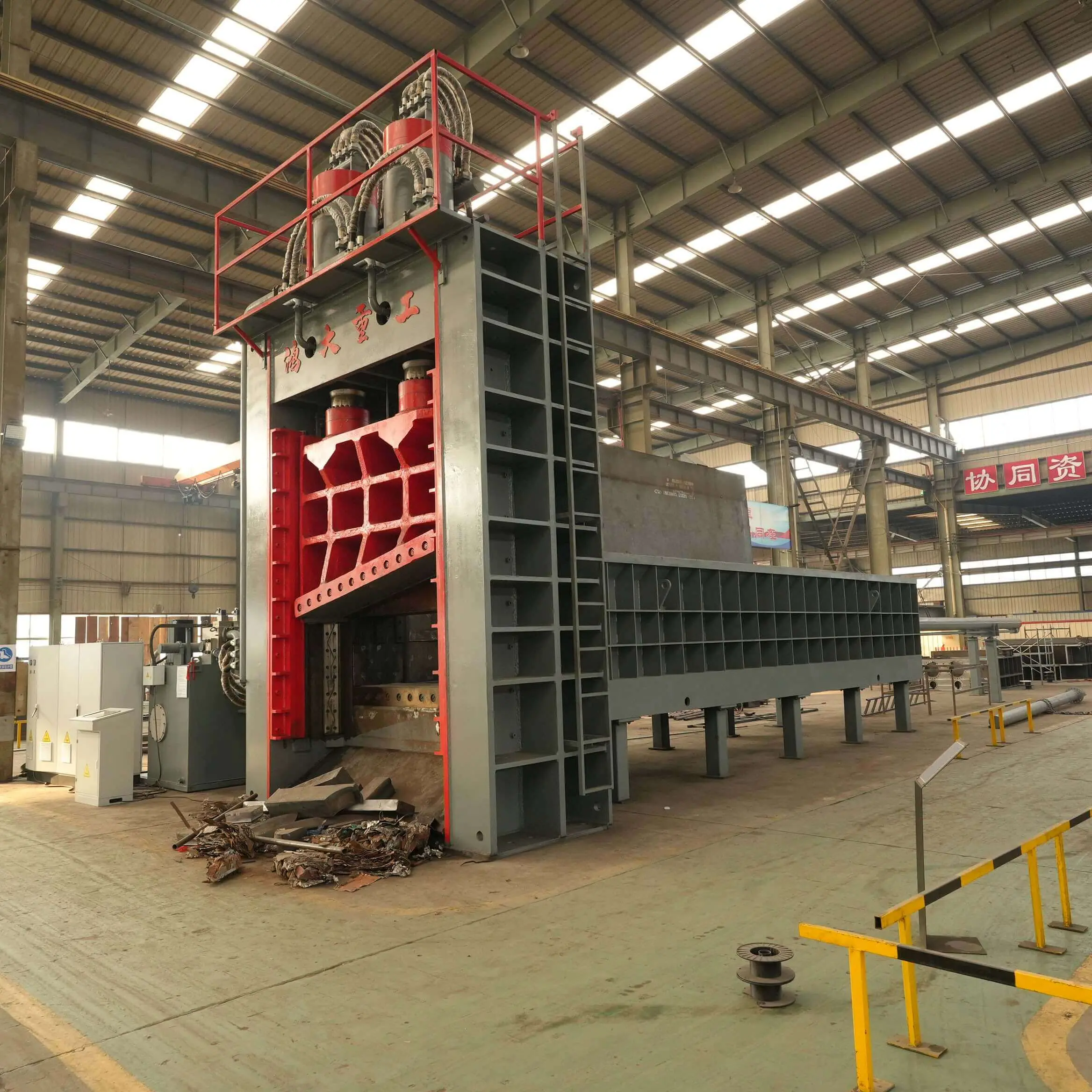
In the fast-paced world of scrap recycling and metal processing, cutting large and irregular metal pieces efficiently is key to productivity. A gantry shear, also known as a Heavy-Duty Scrap Shear, is designed to handle thick steel plates, structural profiles, and scrap bundles with precision and power.
Choosing the right gantry shear directly impacts your throughput, maintenance cost, and overall return on investment. Whether you’re operating a steel mill, scrap yard, or auto dismantling center, selecting the right machine ensures stable performance and safer operations.
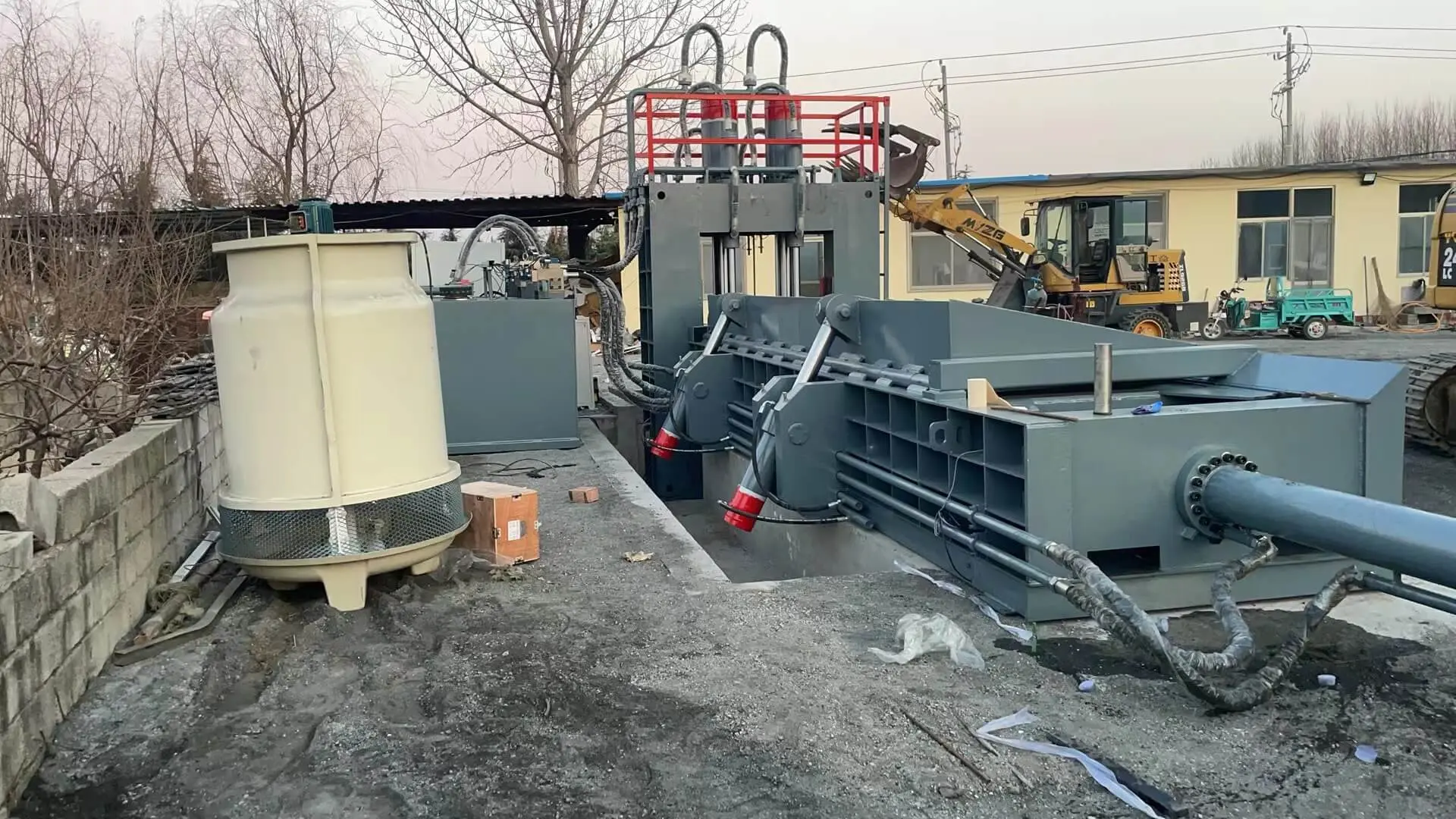
Understanding What a Gantry Shear Does
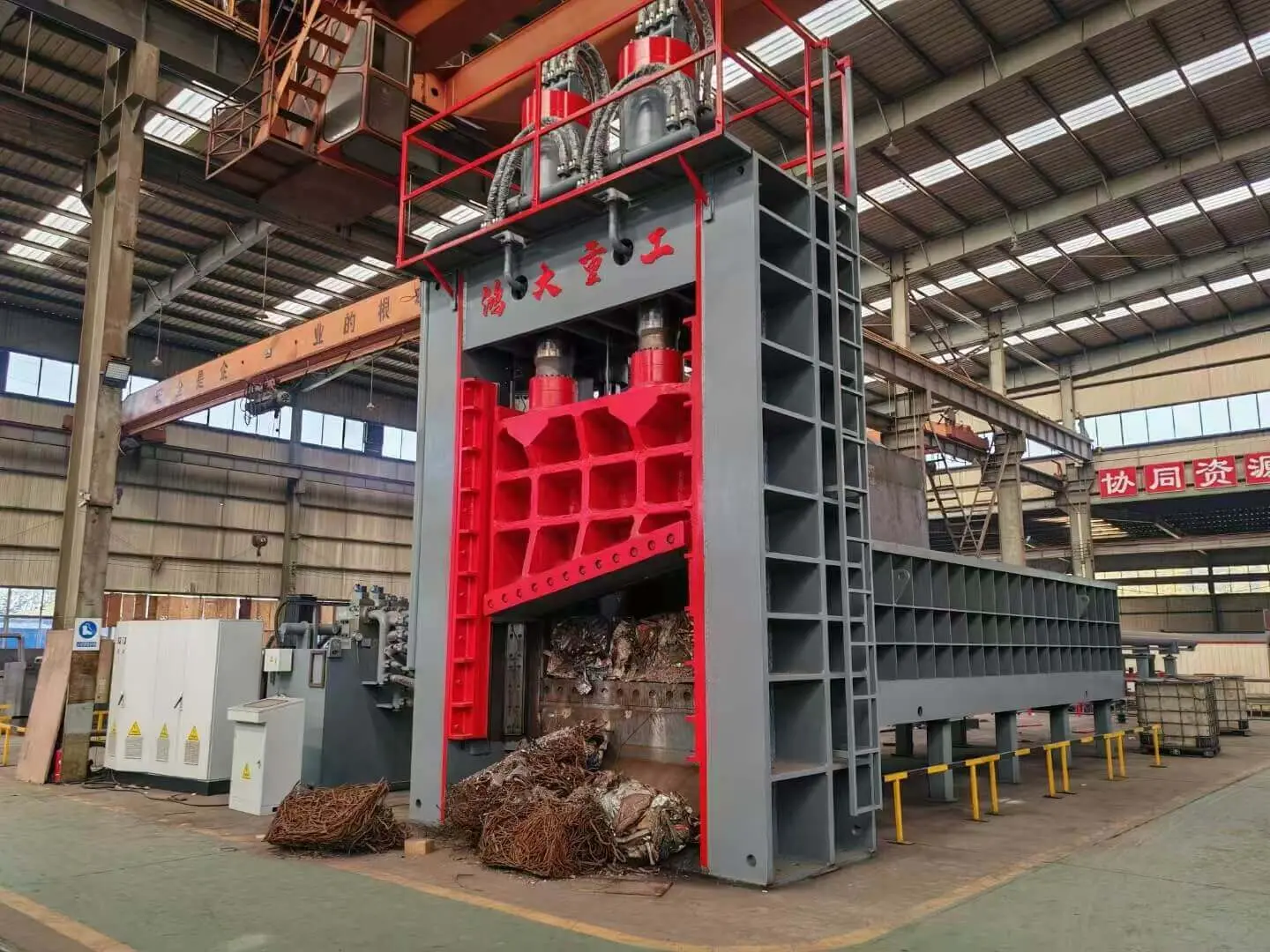
A gantry shear is an industrial metal-cutting machine equipped with a hydraulic-powered blade system that slices large pieces of scrap into manageable sections.
Unlike manual or light-duty shears, a gantry shear is designed for continuous, heavy-duty operation—perfect for processing thick scrap steel, iron, copper, and aluminum before smelting or baling.
Typical Materials Processed Include:
-
Structural steel beams and plates
-
Rebar, pipe sections, and rolled steel
-
Vehicle frames and dismantled body parts
-
Aluminum and copper blocks or extrusions
-
Mixed industrial scrap and recycling feedstock
These machines are essential in recycling centers, foundries, and ports where scrap density, output rate, and blade strength determine overall productivity.
Key Technical Specifications to Consider
When evaluating a gantry shear, technical performance and adaptability are crucial. Below are the parameters that define efficiency and reliability:
-
Shearing Force: Ranges from 200 to 800 tons, suitable for medium to ultra-heavy scrap.
-
Cutting Width: Typically between 400 mm and 1200 mm, accommodating varied material sizes.
-
Hydraulic System: Equipped with high-pressure pumps for stable, smooth shearing cycles.
-
Cycle Time: Advanced models complete a full cutting cycle in 8–15 seconds, improving throughput.
-
Blade Material: Made from high-strength alloy steel, offering excellent wear resistance and long service life.
-
Control Mode: PLC or automatic control systems allow for programmable operations and remote diagnostics.
-
Installation Options: Available in fixed or mobile (crawler-mounted) configurations for flexible site use.
Modern Gantry Shears are also integrated with smart sensors and safety interlocks to ensure safe operation during high-load cutting cycles.
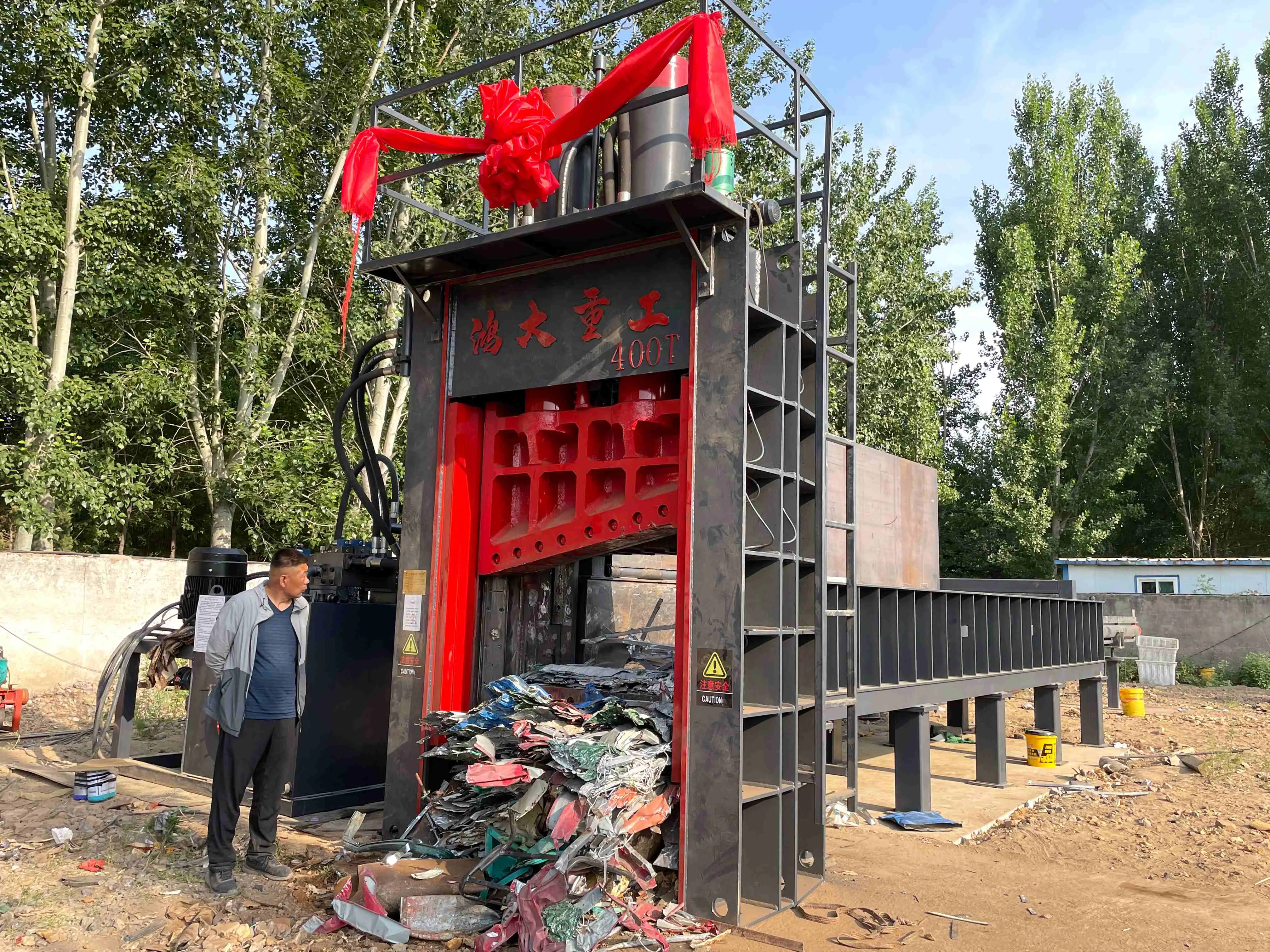
How to Choose the Right Gantry Shear for Your Facility
The ideal gantry shear depends on your production volume, scrap type, and space availability.
Here are five practical steps to help guide your selection:
-
Define Material Type and Thickness
Choose cutting force based on your heaviest scrap. For mixed metal yards, opt for a 400–600-ton unit for flexibility. -
Assess Production Volume
High-throughput yards or steel mills should select automatic continuous-cycle shears to handle over 20 tons/hour efficiently. -
Check Automation Requirements
Facilities with conveyor systems or robotic loaders should choose PLC-controlled gantry shears with automatic feeding and discharge functions. -
Review Space and Layout
Compact gantry shears are ideal for yards with limited space, while fixed large-frame models suit permanent installations. -
Evaluate After-Sales Support & Spare Parts
Reliable suppliers offer quick-response service and locally available blades, seals, and hydraulic components to minimize downtime.
Selecting the right gantry shear is not only about power—it’s about balancing performance, safety, and lifecycle cost.
Common Industrial Applications
Gantry shears are now standard in high-output scrap and metal recovery operations:
-
Scrap Metal Recycling Plants – Cut large ferrous and non-ferrous pieces for baling or melting.
-
Steel Mills & Foundries – Prepare furnace charge by cutting long bars and offcuts.
-
Auto Dismantling & ELV Centers – Shear car frames, body shells, and structural components.
-
Ports & Logistics Terminals – Handle bulk scrap exports and optimize shipping loads.
-
Metal Processing & Fabrication Facilities – Manage production scrap and defective materials efficiently.
In these environments, a gantry shear ensures safer, faster, and more organized metal handling—critical for maintaining profitability and compliance with recycling standards.
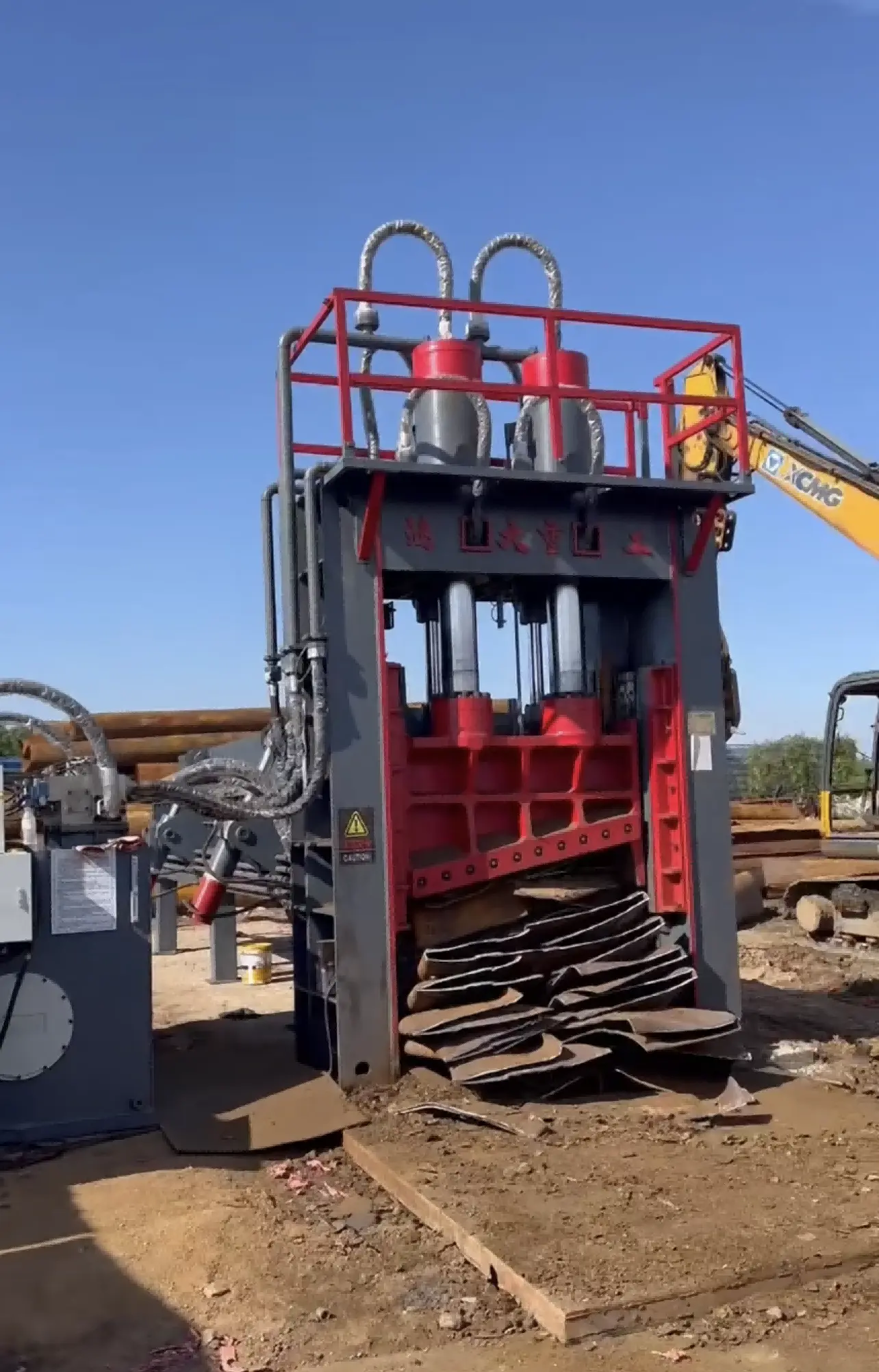
Benefits of Using a Gantry Shear
-
High Efficiency: Reduces scrap size quickly, boosting furnace and baler feeding rates.
-
Energy Saving: Advanced hydraulic systems lower power consumption by up to 15%.
-
Reduced Labor Costs: Automated control minimizes manual cutting and handling.
-
Improved Safety: Enclosed cutting zones and emergency shutoffs protect operators.
-
Enhanced Recycling Output: Creates uniform scrap sizes for easier transport and resale.
These benefits make gantry shears a long-term investment that drives productivity and sustainability in industrial recycling operations.
Selecting the right gantry shear is a strategic decision for any scrap processing business. By aligning machine capacity, automation, and reliability with your operational needs, you can maximize throughput, reduce costs, and extend equipment life.
From small recycling centers to large steel mills, the right gantry shear transforms waste handling into a precise, profitable, and sustainable process.
FAQs
Q1: How do I choose the right gantry shear for my scrap processing needs?
A1: Consider material type, cutting thickness, production capacity, and automation level. Always match shear force to your heaviest scrap.
Q2: What materials can a gantry shear cut?
A2: It can process steel, iron, aluminum, copper, and mixed industrial scrap efficiently.
Q3: How often should the blades be replaced or maintained?
A3: Depending on usage intensity, blades typically require maintenance after 800–1200 operating hours.
Q4: Is a mobile gantry shear suitable for outdoor yards?
A4: Yes. Mobile gantry shears are ideal for flexible operations and sites with changing material loads.