


Choosing the Right Paper Baler: Key Tips for High-Volume Recycling Operations
Handling large volumes of paper waste efficiently is a daily challenge for recycling facilities, logistics centers, and manufacturing plants. A paper baler is an essential machine that transforms loose waste paper, cardboard, and packaging materials into compact, manageable bales. Selecting the right model not only improves workflow but also saves storage space, reduces labor, and optimizes transportation.Understanding your needs before choosing a baler ensures that your operation stays productive and cost-effective.
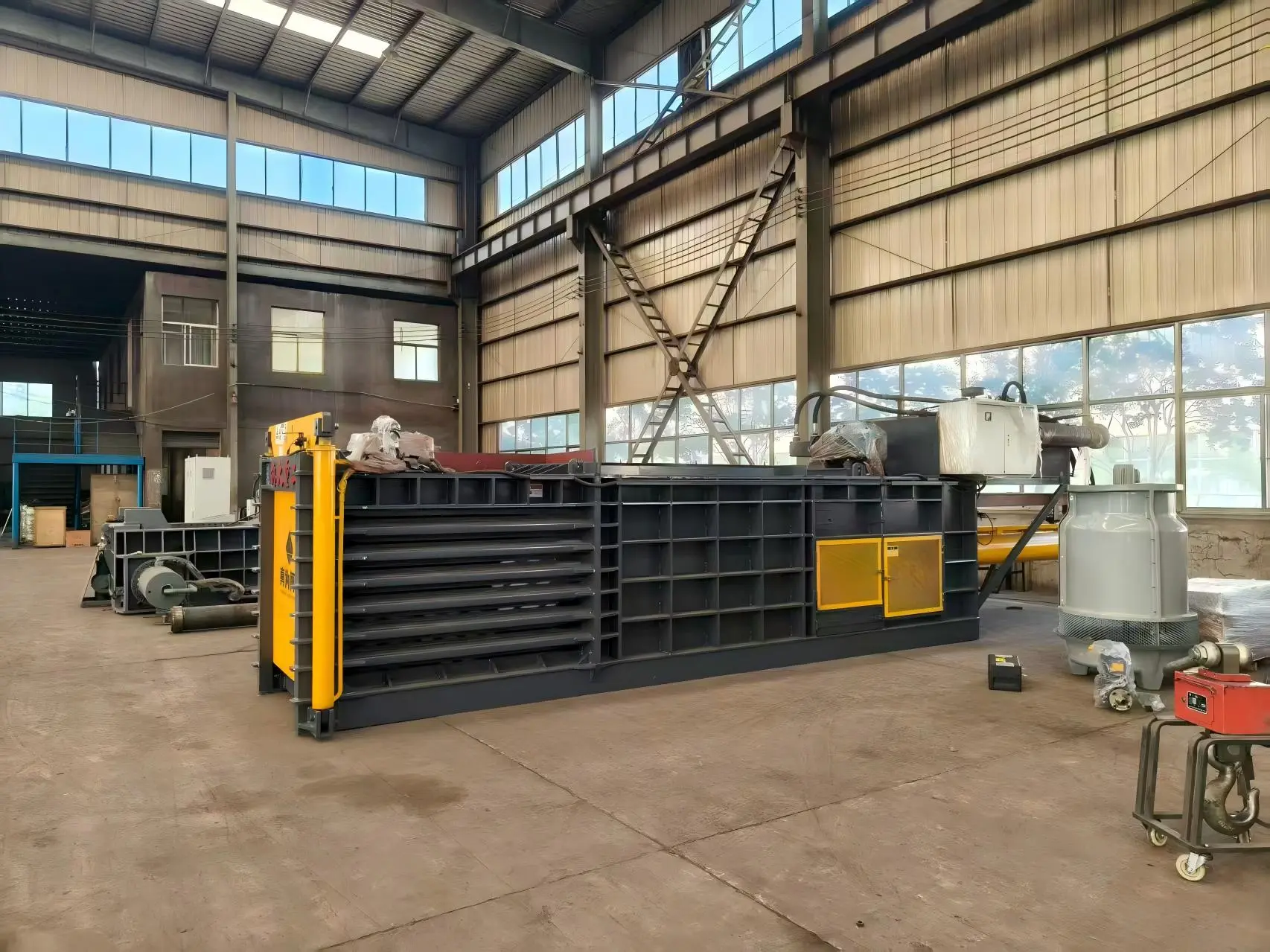
Key Factors to Consider When Selecting a Paper Baler
1. Bale Size and Density
-
Bale Dimensions: Standard bale sizes range from 300×300 mm to 1200×1000 mm. Larger bales are suitable for bulk recycling, while smaller ones work well for limited storage areas.
-
Compression Force:Hydraulic Balers typically provide 20–80 tons of pressure. Higher compression increases bale density, reducing storage and transport costs.
2. Vertical vs. Horizontal Baler
-
Vertical Balers: Compact and cost-effective, ideal for small to medium volumes. Requires manual feeding and is perfect for offices or small warehouses.
-
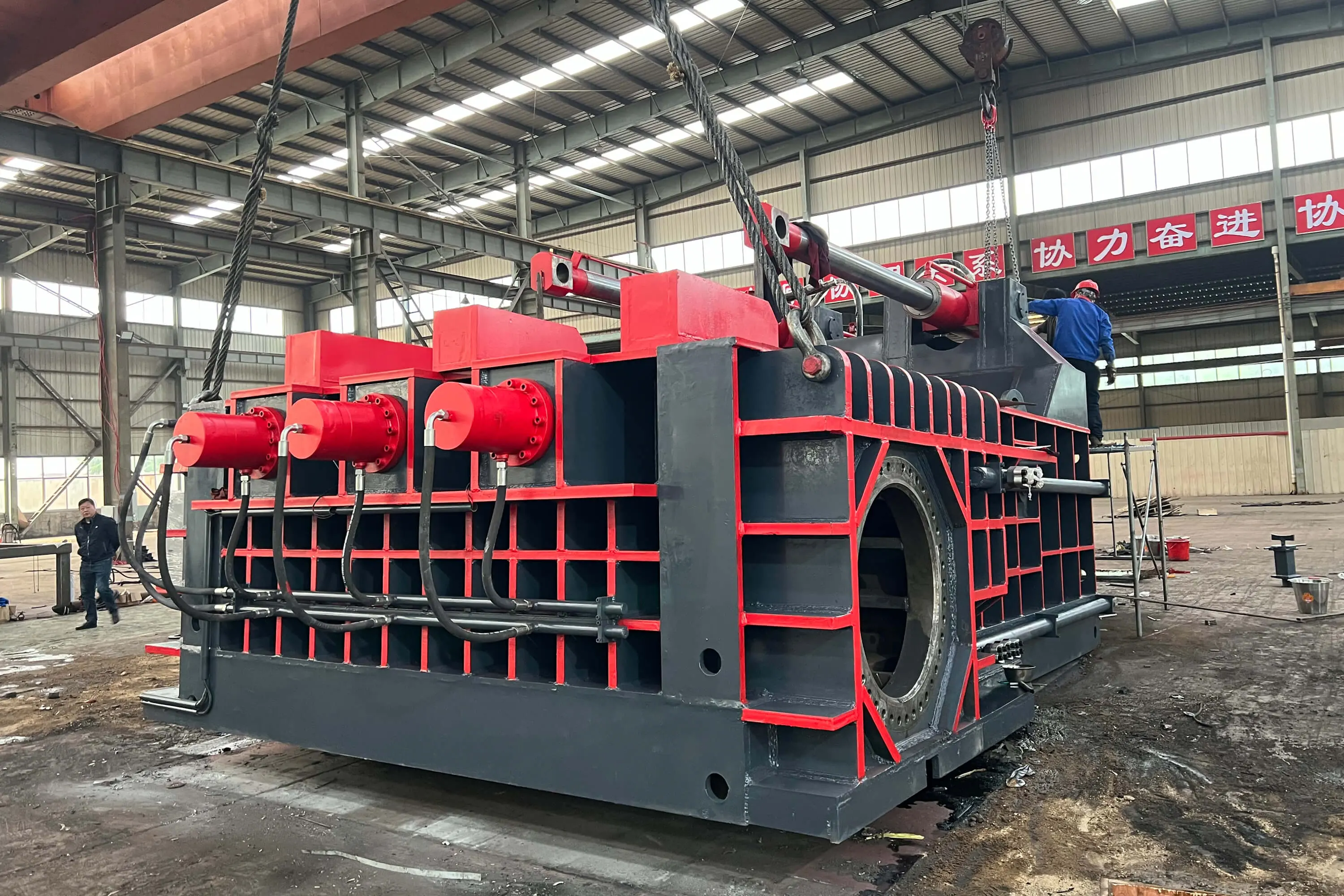
Horizontal Balers: Fully automatic, designed for high-volume operations, suitable for large recycling yards and industrial facilities. Can process 1–3 tons of material per hour or more.
3. Feeding Method and Automation
-
Manual Loading: Simple operation, lower upfront cost, suitable for facilities with smaller waste streams.
-
Conveyor or Hopper Feeding: Automates the process, increases throughput, reduces manual labor, and improves safety.
4. Material Compatibility
-
Most paper balers handle office paper, cardboard, corrugated boxes, magazines, and packaging residues.
-
Some models can also compress light plastics or stretch films, which is useful for mixed-material recycling facilities.
5. Operational Environment
-
Space Requirements: Vertical balers have a smaller footprint; horizontal balers require more floor space.
-
Power Supply: Check voltage and power compatibility with your facility.
-
Duty Cycle: Continuous operation balers are recommended for high-volume facilities to avoid overheating or downtime.
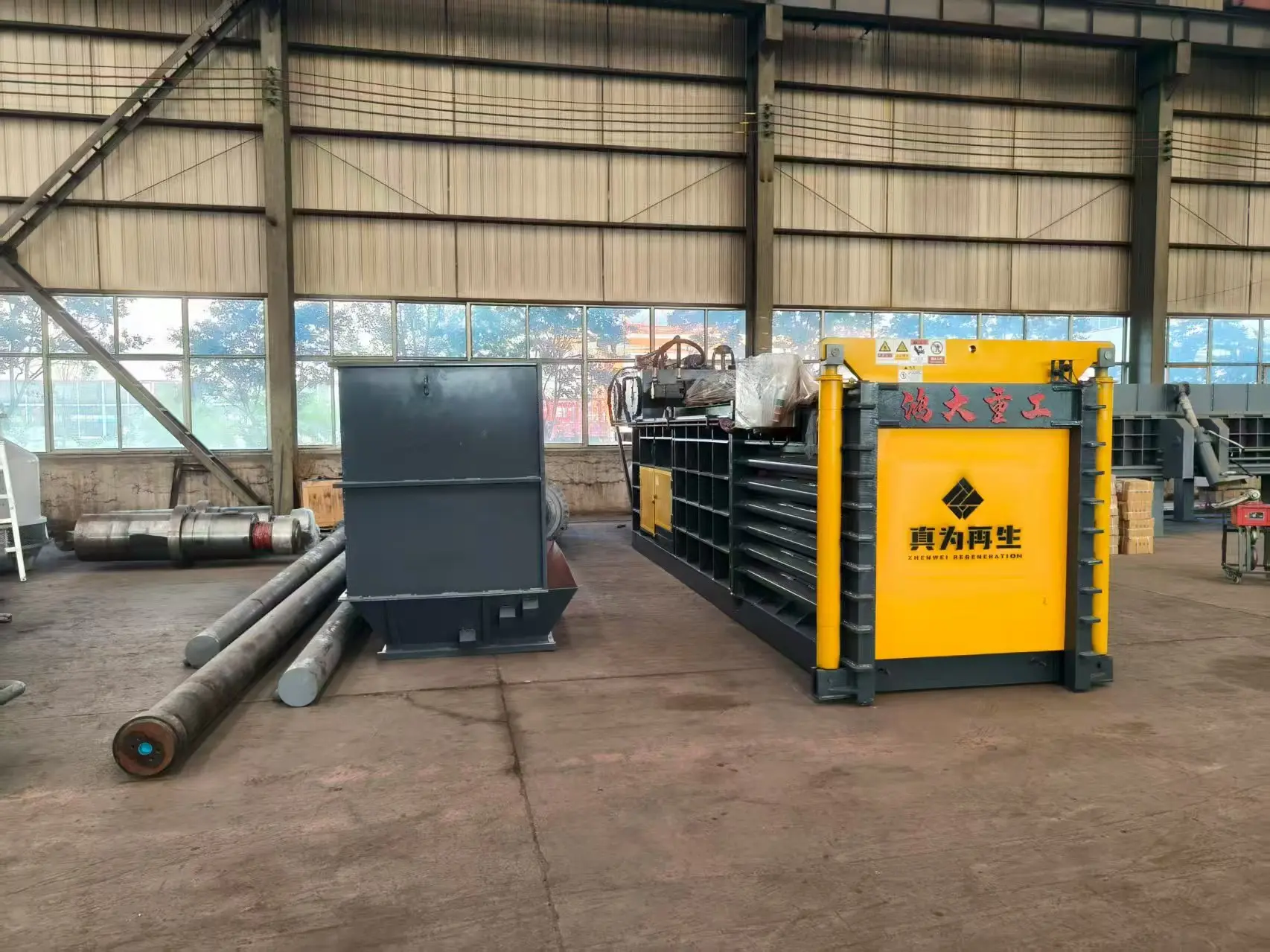
Applications Across Industries
-
Recycling & Waste Management: Compressing office paper, cardboard, and packaging waste for resale or transport.
-
Steel Mills & Foundries: Handling packaging and protective paper used in shipping metal products.
-
Automotive Dismantling & ELV Centers: Managing scrap paper from packaging, manuals, and insulation materials.
-
Ports, Warehouses & Logistics Terminals: Reducing storage volume of packaging waste to optimize yard space.
-
Manufacturing Plants & Fabrication Workshops: Efficient disposal of paper offcuts, packaging, and residual materials.
Advantages of Using the Right Paper Baler
-
Volume Reduction: Can compress up to 85% of loose paper, freeing up valuable storage space.
-
Labor Savings: Automated feeding and ejection minimize manual handling.
-
Cost Efficiency: Lower transportation and disposal costs.
-
Safety & Cleanliness: Reduces clutter in work areas, lowers risk of slips or accidents.
-
Environmental Benefits: Facilitates recycling, supporting sustainability initiatives.
Choosing the right baler tailored to your operation ensures consistent performance, reduces operational costs, and improves recycling efficiency.
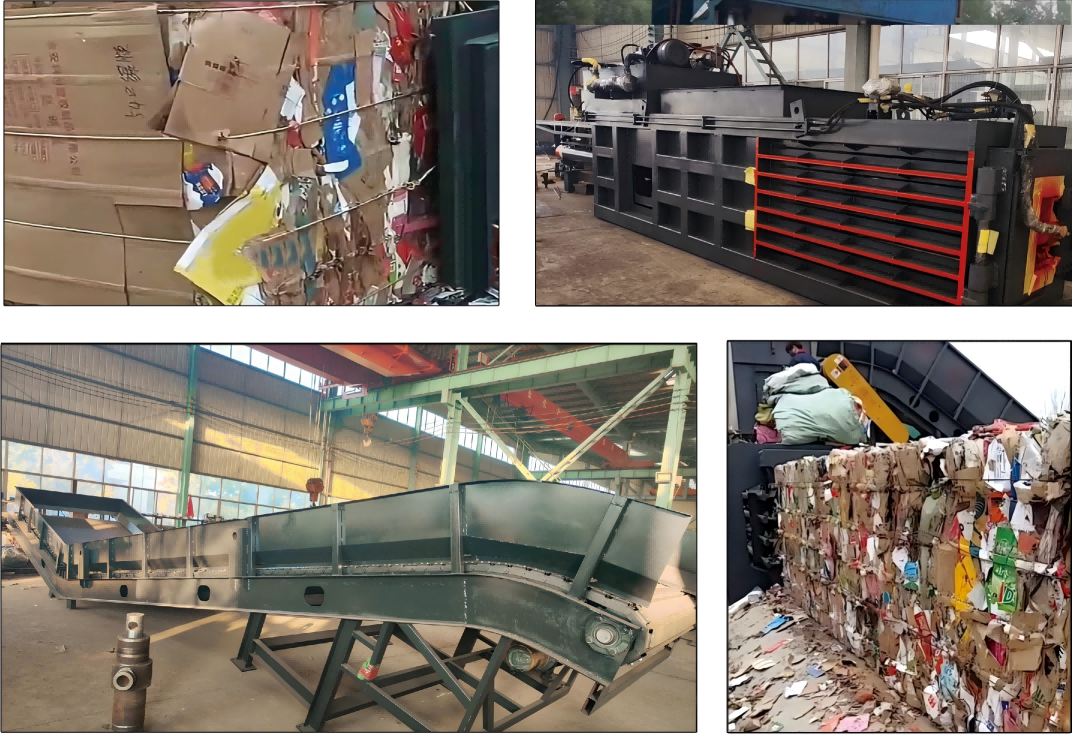
Selecting a paper baler is more than buying a machine—it’s about matching capacity, automation, and material handling capabilities to your operation’s needs. By considering bale size, compression force, feeding method, and operational environment, facilities can significantly improve efficiency, reduce labor, and maximize cost savings. Investing in a high-quality paper baler ensures smooth recycling operations and long-term operational benefits.
FAQs
Q1: What factors should I consider when selecting a paper baler?
Consider bale size, compression force, vertical vs. horizontal configuration, feeding method, material compatibility, and duty cycle.
Q2: Can a paper baler handle mixed materials like light plastic films?
Some models are designed for mixed recyclables, but always check the manufacturer specifications before use.
Q3: How much volume reduction can I expect?
High-capacity hydraulic balers can reduce waste paper volume by up to 85%.
Q4: Should I choose manual or automatic feeding?
For small operations, manual feeding is sufficient. For high-volume facilities, automatic feeding improves efficiency, safety, and throughput.