


Alligator Shears Play a Practical Role in Modern Scrap Metal Sorting
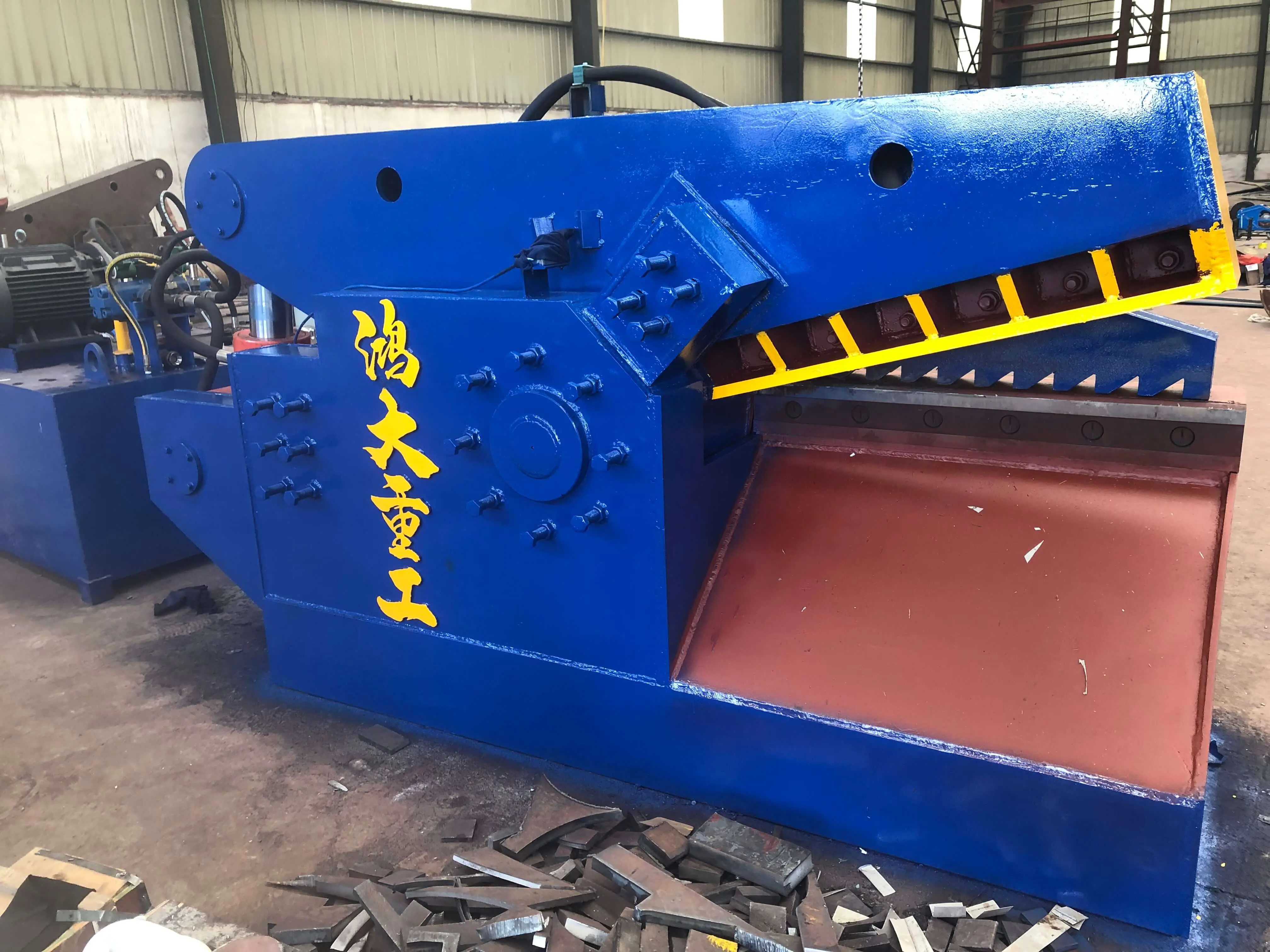
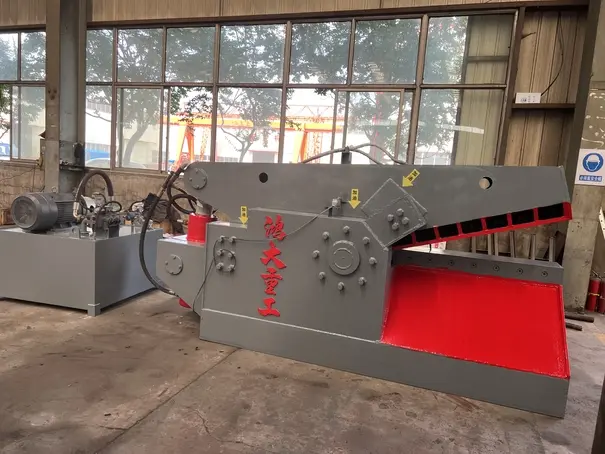
In most scrap yards and processing facilities, the real challenge is not cutting the thickest steel, but handling mixed, irregular, and constantly changing scrap streamswithout slowing down operations. This is where Alligator Shears continue to hold their value.
Rather than replacing large shear systems, alligator shears are used as front-line tools—cutting, resizing, and preparing scrap so downstream processes can run smoothly and safely.
Why Scrap Type Matters More Than Shear Size
A common mistake among buyers is selecting cutting equipment based only on maximum force. In practice, scrap characteristics determine efficiency far more than raw tonnage.
Alligator shears are designed for scrap that is:
-
Long rather than bulky
-
Thin to medium thickness
-
Mixed in shape and composition
-
Manually or semi-manually handled
This makes them especially effective in operations where flexibility and control matter more than sheer output volume.
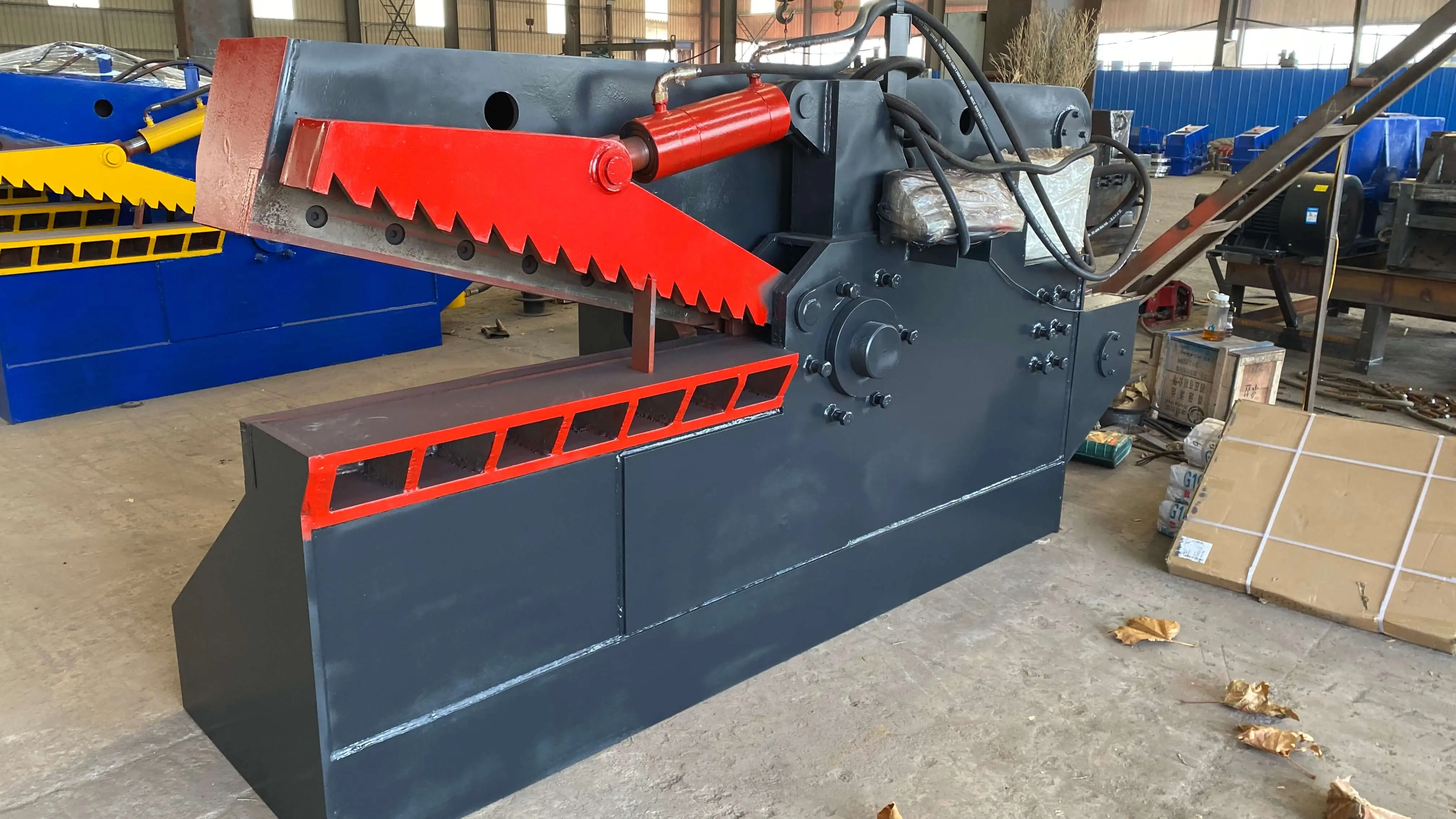
Scrap Metals Commonly Handled with Alligator Shears
Structural and Fabrication Steel Scrap
Alligator shears are routinely used to cut:
-
Flat bars and angle steel
-
Channel and light I-beam offcuts
-
Steel pipes and hollow sections
-
Sheet steel trimmed from fabrication lines
These materials are common in fabrication shops and steel service centers, where scrap is generated continuously in manageable sizes.
Aluminum Processing Scrap
In aluminum-focused operations, alligator shears are often preferred due to clean cutting and low deformation:
-
Extruded aluminum profiles
-
Curtain wall and window frame scrap
-
Aluminum tubing and thin-walled sections
-
Production edge trims and rejects
Clean cuts help preserve material value and reduce sorting time later in the recycling chain.
Copper, Brass, and Conductive Metals
Non-ferrous recyclers rely on alligator shears for controlled cutting of:
-
Copper busbars and strips
-
Stripped cable sections
-
Brass rods, valves, and fittings
Precise cutting minimizes material loss and improves downstream grading accuracy.
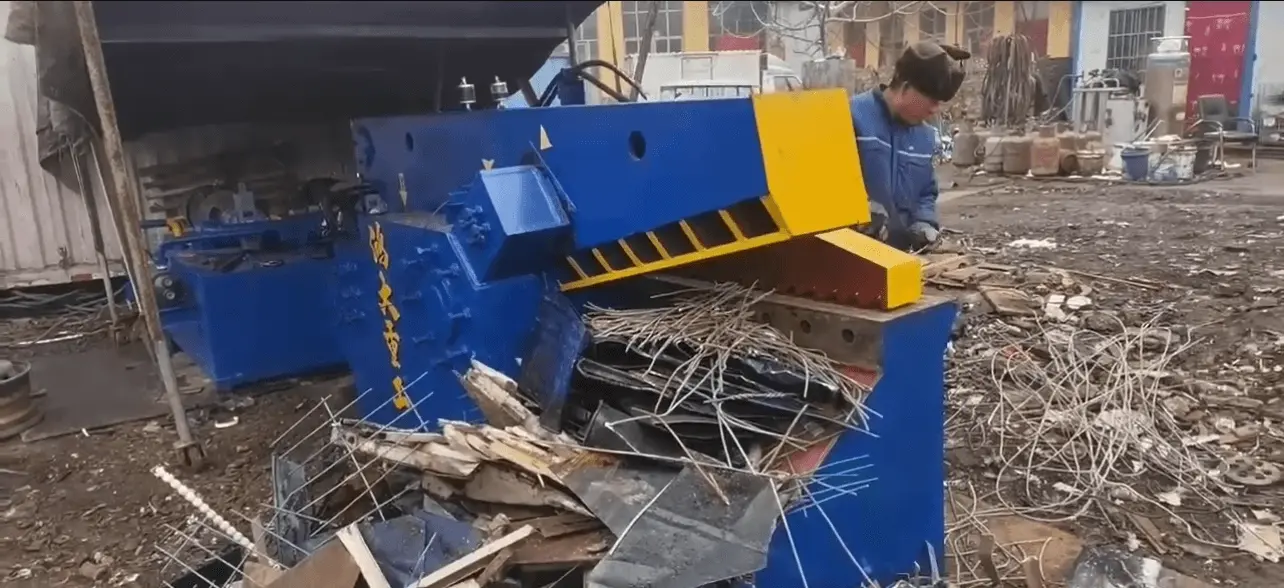
Vehicle and Light Equipment Scrap
In dismantling environments, alligator shears are commonly used to cut:
-
Vehicle body frames and brackets
-
Exhaust systems and mounting parts
-
Thin machinery housings
-
Mixed metal assemblies after disassembly
Their open cutting area allows operators to deal with irregular shapes without complex positioning systems.
Scrap Materials That Are Usually Not a Good Match
Operational experience shows that alligator shears are not intended for:
-
Heavy solid steel blocks
-
Thick hardened or alloy steel
-
Dense bundled scrap packs
-
Large structural beams
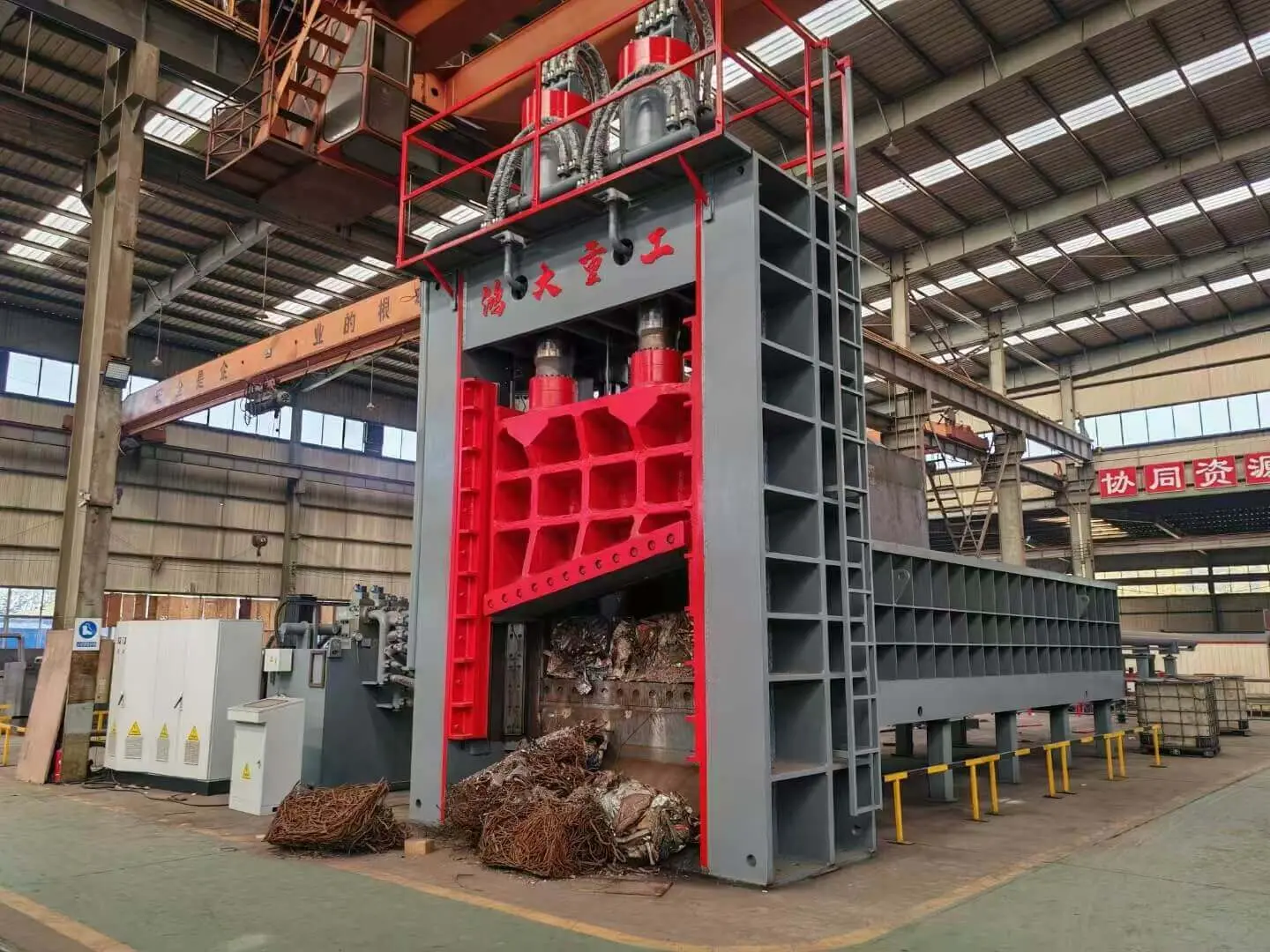
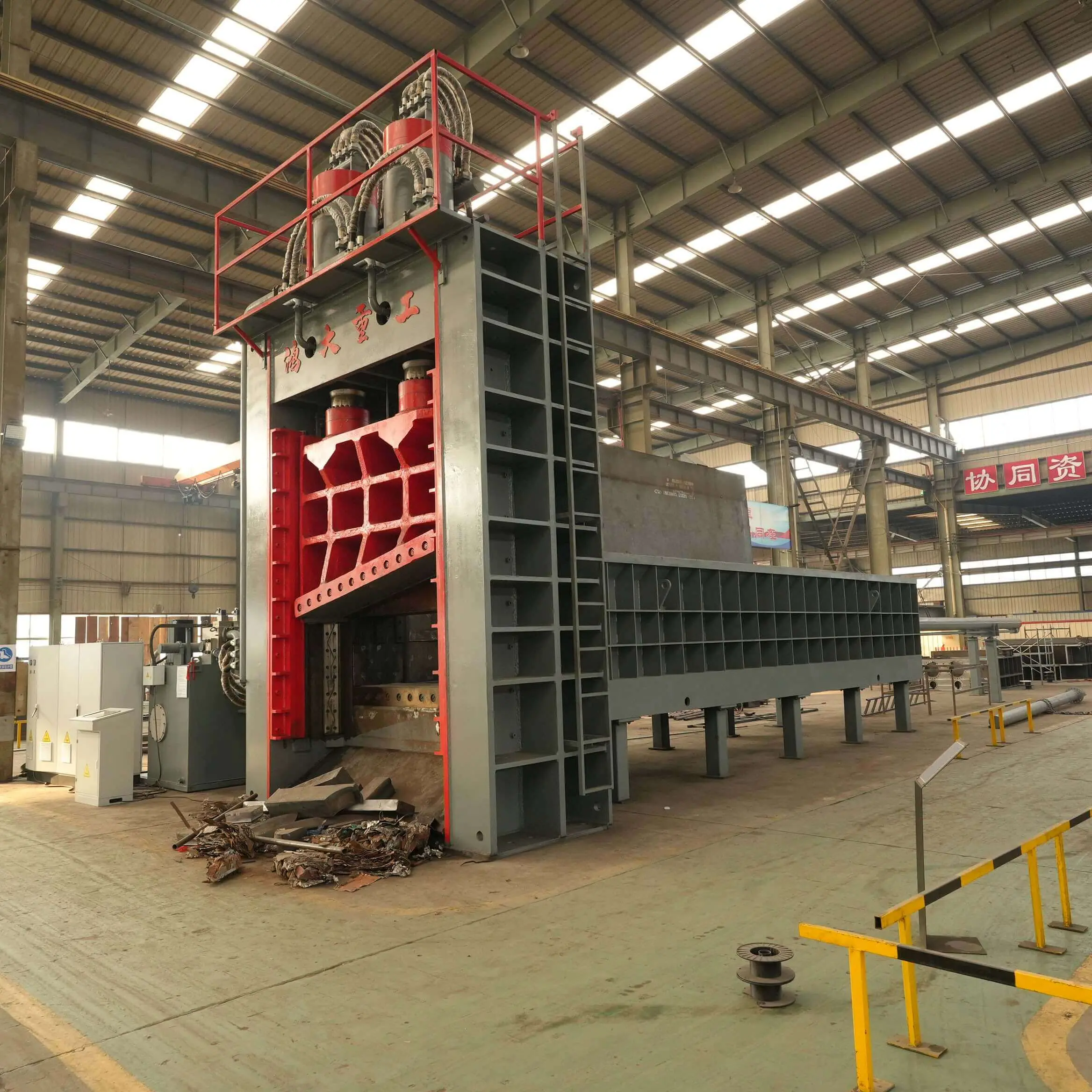
For these materials, Gantry Shears or large hydraulic shears are typically more suitable.
Typical Technical Parameters Buyers Focus On
While specifications vary, buyers usually evaluate:
-
Cutting force range: 80–500 tons
-
Blade length options: 600–1200 mm
-
Maximum cutting thickness: up to 50 mm (mild steel)
-
Hydraulic pressure: 21–28 MPa
-
Manual vs. foot pedal vs. remote control
-
Blade material and replacement cycle
These parameters help match the machine to actual scrap flow, not theoretical capacity.
Where Alligator Shears Are Most Commonly Used
Alligator shears are widely found in:
-
Scrap Metal Recycling yards
-
Steel mills and foundries preparing furnace feed
-
Auto dismantling and ELV processing centers
-
Metal fabrication and machining plants
-
Aluminum extrusion and rolling facilities
-
Logistics yards handling mixed metal scrap
Their role is often underestimated, but removing bottlenecks at this stage significantly improves overall plant efficiency.
Operational Results Seen After Installation
Facilities that correctly integrate alligator shears often report:
-
Faster scrap sorting and downsizing
-
Reduced reliance on manual cutting tools
-
Lower equipment downtime upstream
-
Safer working conditions with controlled cuts
-
More consistent scrap size for transport and resale
In many cases, the return on investment comes not from higher tonnage, but from workflow stability and labor efficiency.
Alligator shears are built to process a wide range of scrap metals that are light to medium in thickness and irregular in shape. Steel sections, aluminum profiles, copper scrap, and dismantled vehicle components are all well suited to this type of equipment. When selected based on actual scrap characteristics rather than maximum force, alligator shears remain one of the most practical and cost-effective tools in modern scrap processing operations.
FAQ
What types of scrap metal are best suited for alligator shears?
Steel sections, aluminum profiles, copper and brass scrap, pipes, sheets, and dismantled components are commonly processed.
Can alligator shears handle mixed metal scrap?
Yes. They are particularly effective for mixed and irregular scrap streams where flexibility is required.
Are alligator shears suitable for continuous industrial use?
Yes, when properly maintained, they support stable daily operation in recycling and fabrication environments.
Do alligator shears improve overall plant efficiency?
By reducing bottlenecks and manual cutting, they improve material flow and operational safety.