


Alligator Shears Are Designed to Process a Wide Range of Scrap Metals
In day-to-day scrap handling, cutting accuracy and throughput often matter more than extreme cutting capacity. Alligator Shears are built for this exact balance. They are widely adopted in recycling yards, fabrication plants, and dismantling operations because they handlemultiple scrap metal types efficiently without complex feeding systems or excessive energy use.
Understanding the actual scrap categories an alligator shear is designed for helps buyers avoid over-specifying equipment and improves long-term operating efficiency.
How Alligator Shears Handle Scrap Metal in Practice
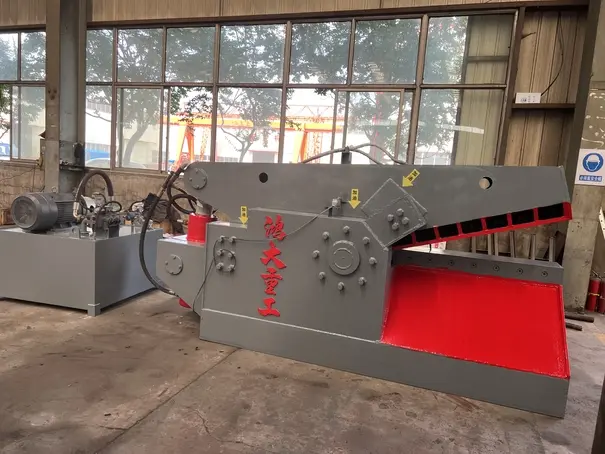
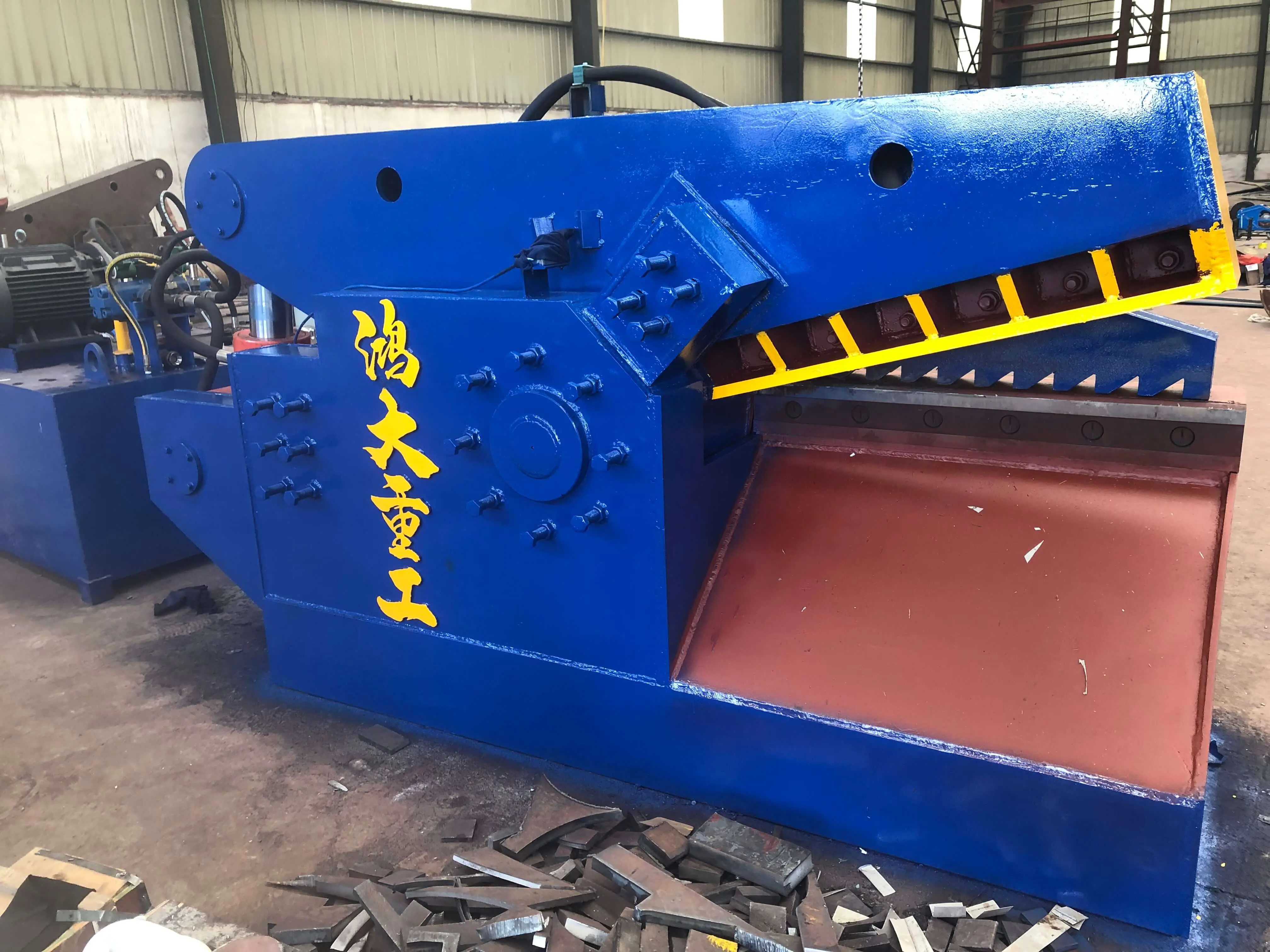
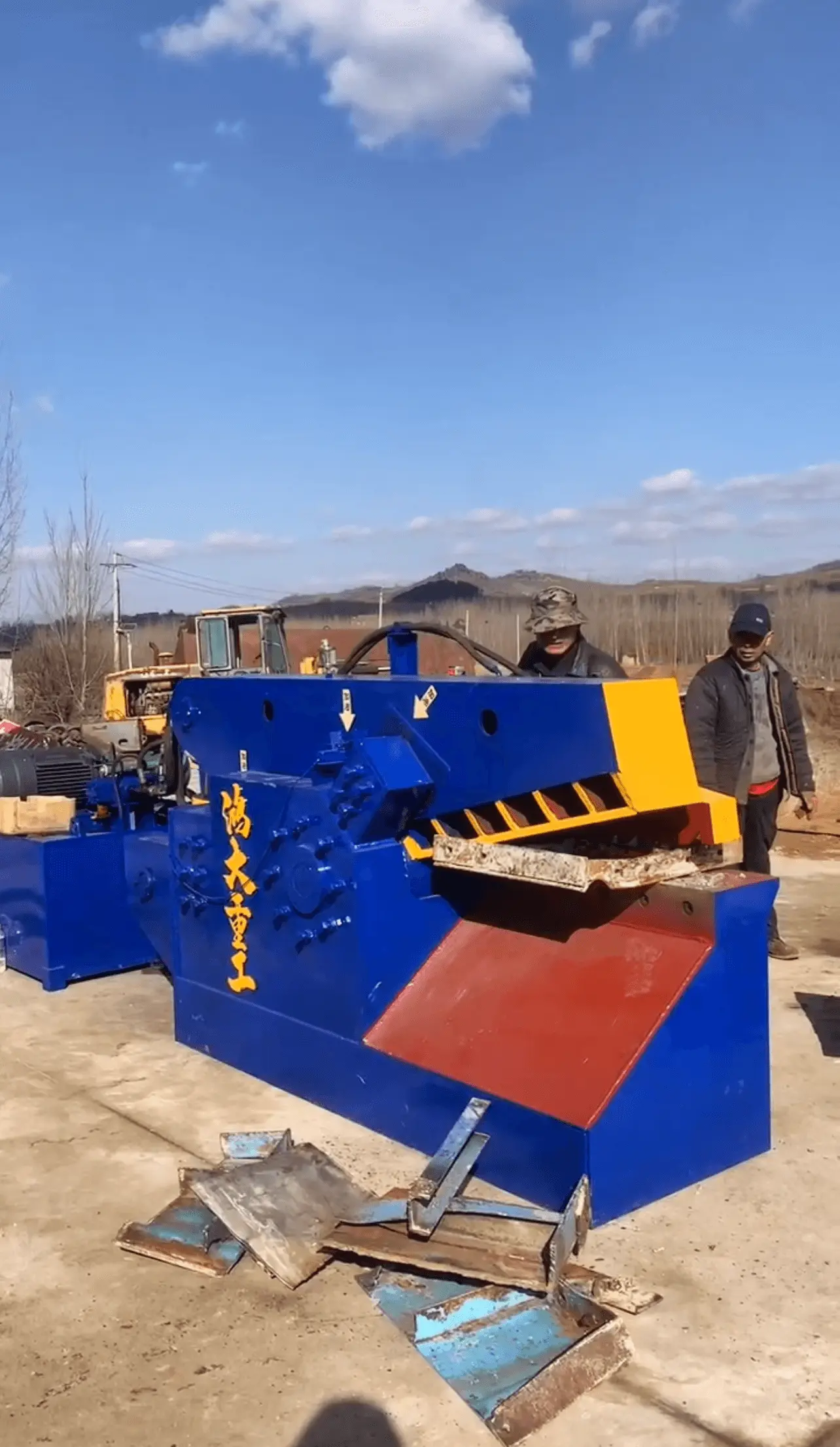
An alligator shear uses a hydraulic cylinder to drive a hinged upper blade against a fixed lower blade. Unlike large shear systems, material is positioned manually or semi-manually, allowing operators to cut irregular or mixed scrap with precision.
Typical working ranges include:
-
Cutting force: 80–500 tons
-
Blade length: 600–1200 mm
-
Recommended cutting thickness: 6–50 mm (mild steel equivalent)
-
Hydraulic system pressure: 21–28 MPa
-
Average cutting cycle: 5–15 seconds
This configuration makes alligator shears particularly effective for sectioned, elongated, or lightweight scrap rather than dense bulk material.
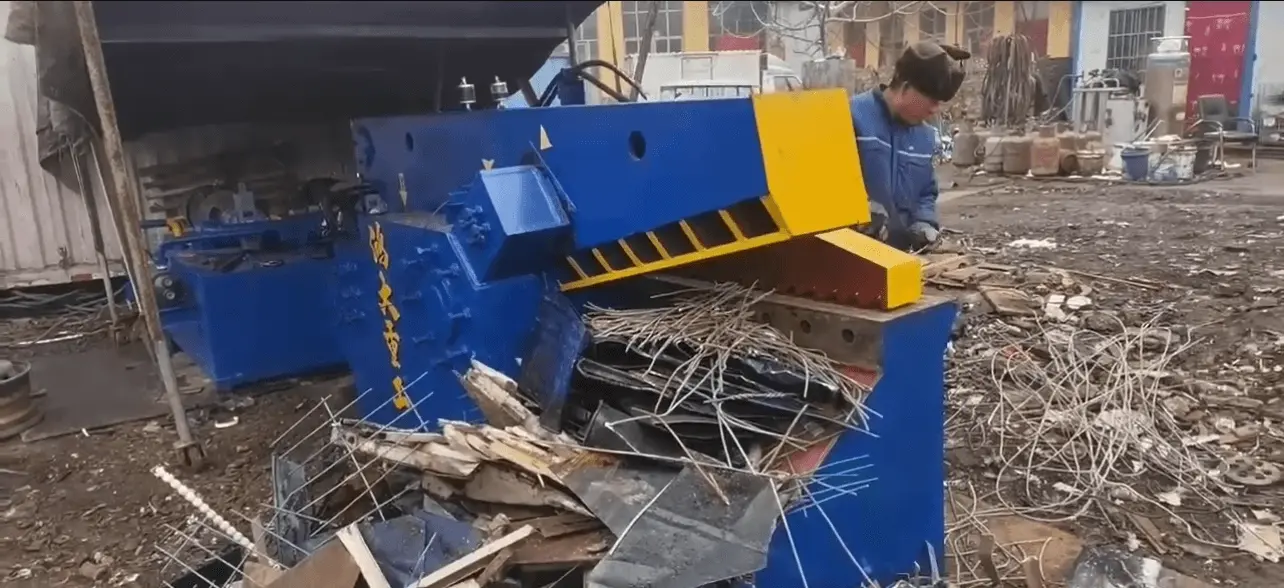
Scrap Metal Types Commonly Processed by Alligator Shears
Ferrous Scrap Materials
Alligator shears are frequently used for low- to medium-carbon steel scrap, including:
-
Steel bars, rods, and rebar offcuts
-
Angle steel, flat bars, and channel sections
-
Thin steel plates and sheet scrap
-
Steel pipes and tubing
These materials are typical in fabrication workshops, steel service centers, and demolition recovery lines.
Aluminum Scrap
Aluminum is one of the most suitable materials for alligator shears due to its lower shear resistance:
-
Aluminum extrusions and profiles
-
Curtain wall and window frame offcuts
-
Aluminum pipes and hollow sections
-
Thin aluminum sheets and edge trims
Clean cuts help preserve scrap grade and improve downstream melting efficiency.
Copper and Brass Scrap
In non-ferrous recycling operations, alligator shears are commonly used for:
-
Copper flat bars and busbars
-
Stripped copper cable sections
-
Brass rods, fittings, and pipe segments
Controlled cutting minimizes deformation and reduces unnecessary material loss.
Automotive and Light Industrial Scrap
In dismantling and recovery operations, alligator shears are used to cut:
-
Vehicle body frames and structural trim
-
Exhaust pipes and brackets
-
Light machinery housings
-
Thin-walled metal assemblies
They are especially effective where selective cutting is required rather than bulk crushing.
Scrap Materials Less Suitable for Alligator Shears
From an operational standpoint, alligator shears are not intended for:
-
Large solid steel blocks or cast components
-
Extremely thick or hardened steel
-
Heavy bundled scrap packages
-
Oversized beams and dense structural members
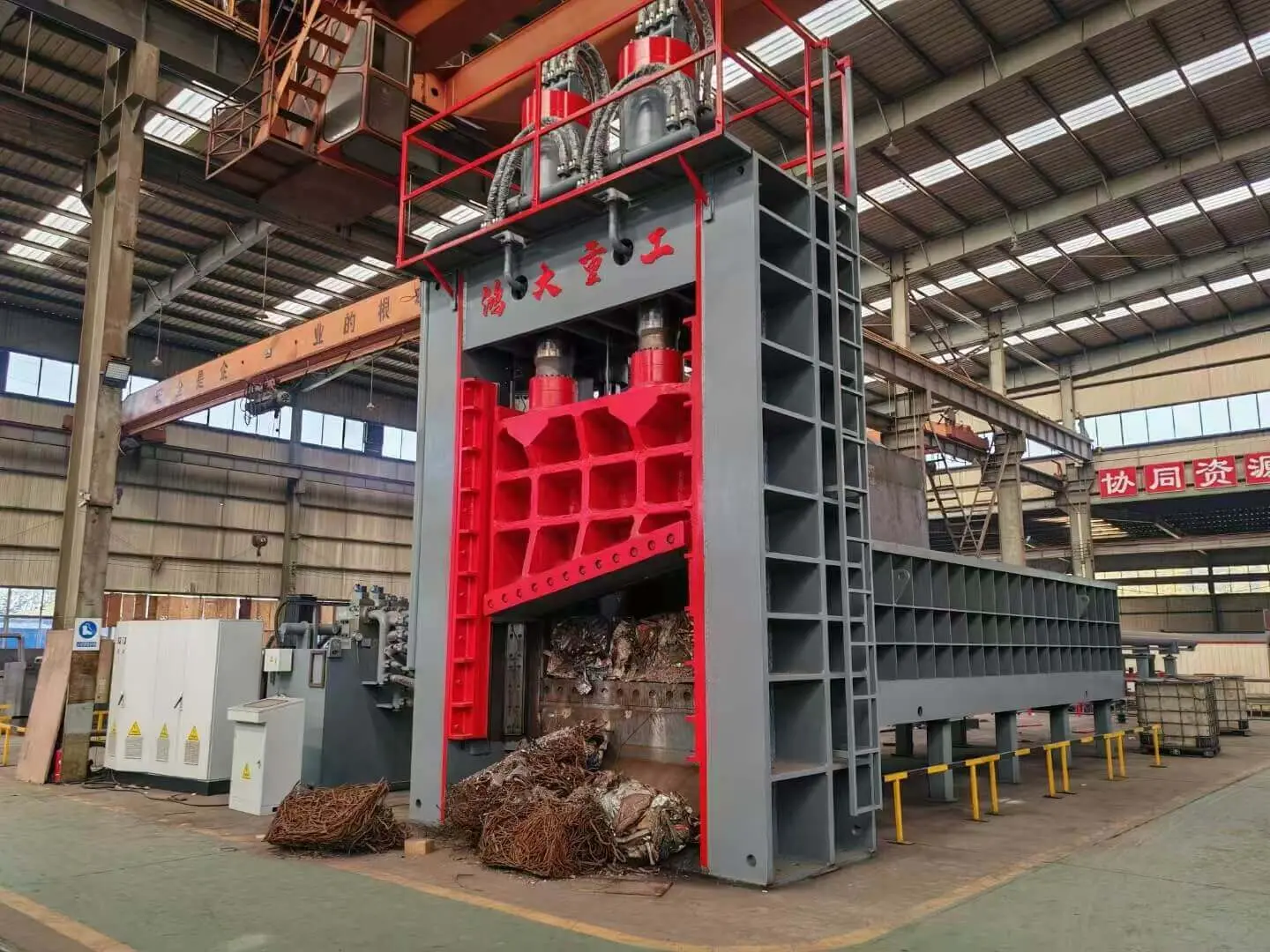
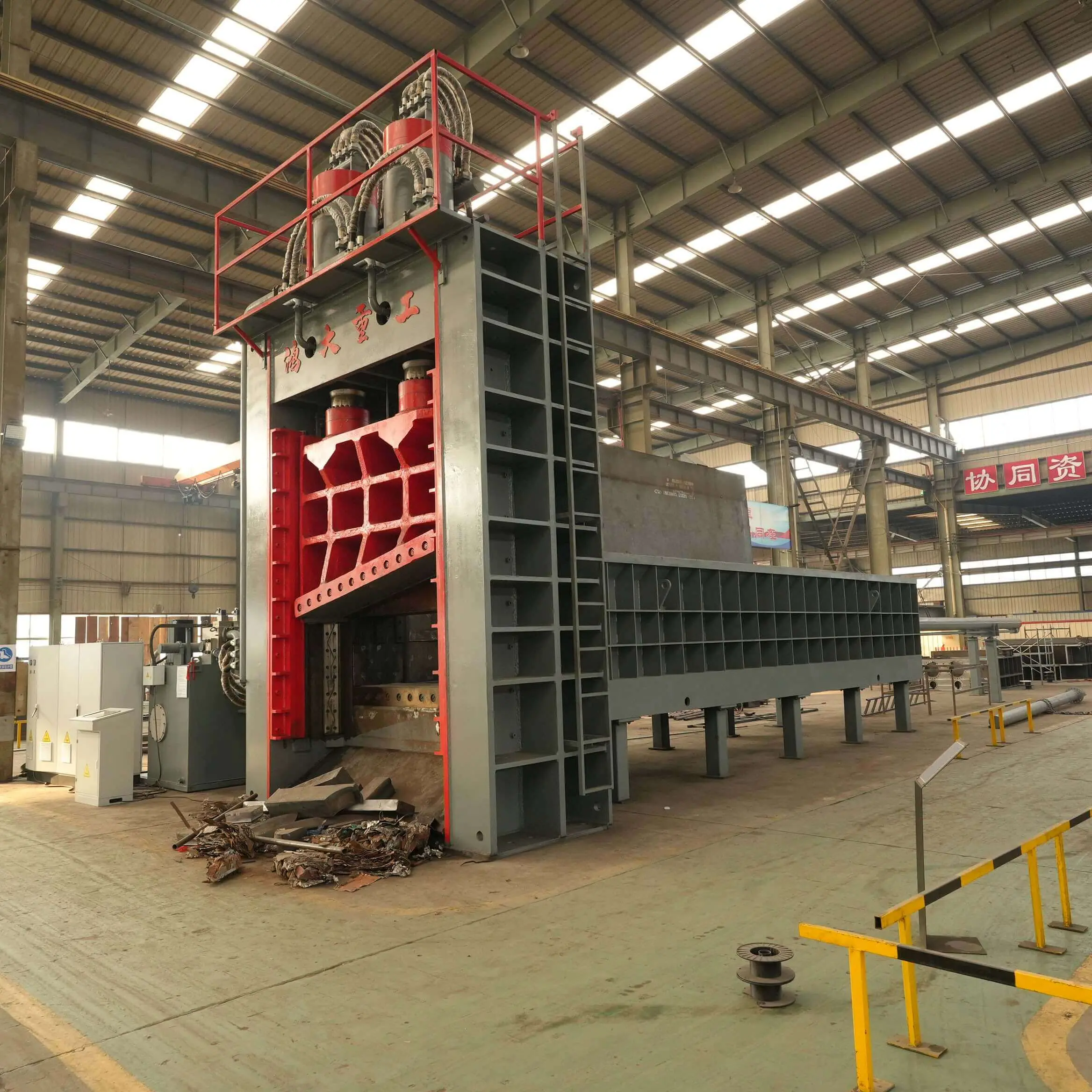
These applications typically require gantry shears or heavy Hydraulic Scrap Shears.
Industry Applications Where Alligator Shears Fit Best
Alligator shears are widely used across multiple sectors:
-
Scrap Metal Recycling facilities for sorting and downsizing mixed scrap
-
Steel mills and foundries for furnace-ready scrap preparation
-
Auto dismantling and ELV centers for controlled component cutting
-
Metal fabrication plants handling production offcuts
-
Aluminum extrusion and rolling plants managing profile scrap
-
Ports, yards, and logistics terminals optimizing scrap transport size
Their flexibility makes them a practical choice for operations handling varied metal streams.
Why Alligator Shears Remain a Preferred Scrap Cutting Solution
From a cost and operation perspective, alligator shears offer:
-
Fast cutting cycles for repetitive processing
-
Lower energy consumption than large shear systems
-
Simple hydraulic and electrical layouts
-
Compact installation footprint
-
Stable performance across ferrous and non-ferrous materials
For many facilities, this translates into lower operating cost per ton and easier day-to-day management.
Alligator shears are engineered to process a broad range of scrap metals, including steel sections, aluminum profiles, copper bars, and light automotive scrap. Their design prioritizes cutting efficiency, flexibility, and operational simplicity. When matched correctly to scrap type and thickness, alligator shears deliver consistent output quality and reliable long-term performance in recycling and metal processing environments.
FAQ
What scrap metals are most suitable for alligator shears?
Steel bars, aluminum profiles, copper and brass scrap, pipes, sheets, and light structural components are most commonly processed.
Can alligator shears be used for aluminum recycling lines?
Yes. They are widely used to cut aluminum extrusions, frames, and thin sections efficiently.
Are alligator shears suitable for heavy scrap processing?
They are designed for light to medium-duty scrap. Heavy or dense materials require larger shear equipment.
Which industries use alligator shears most frequently?
Scrap recycling, metal fabrication, automotive dismantling, aluminum processing, and foundry operations.