Top Alligator Shear Blades Explained What You Need to Know?
Alligator Shear Blades are essential tools in metal processing industries. These blades handle various materials, including steel and aluminum. According to a recent market report, the demand for efficient cutting tools is projected to increase by 7% annually until 2026. This growth underscores the importance of quality shear blades.
The design of Alligator Shear Blades allows for precise cuts and strong durability. They are specifically engineered for tough tasks, ensuring minimal maintenance needs. However, not all blades meet the industry's demanding standards. Some users may face issues with performance, particularly when using subpar products.
Understanding the specifications of Alligator Shear Blades is crucial. Industry data indicates that choosing the right blade can reduce costs and enhance productivity. Users must balance performance and cost-effectiveness. Reflecting on these factors can lead to better operational decisions. Investing in quality is beneficial, but it is often overlooked in pursuit of lower prices.
Understanding Alligator Shear Blades: A Comprehensive Overview
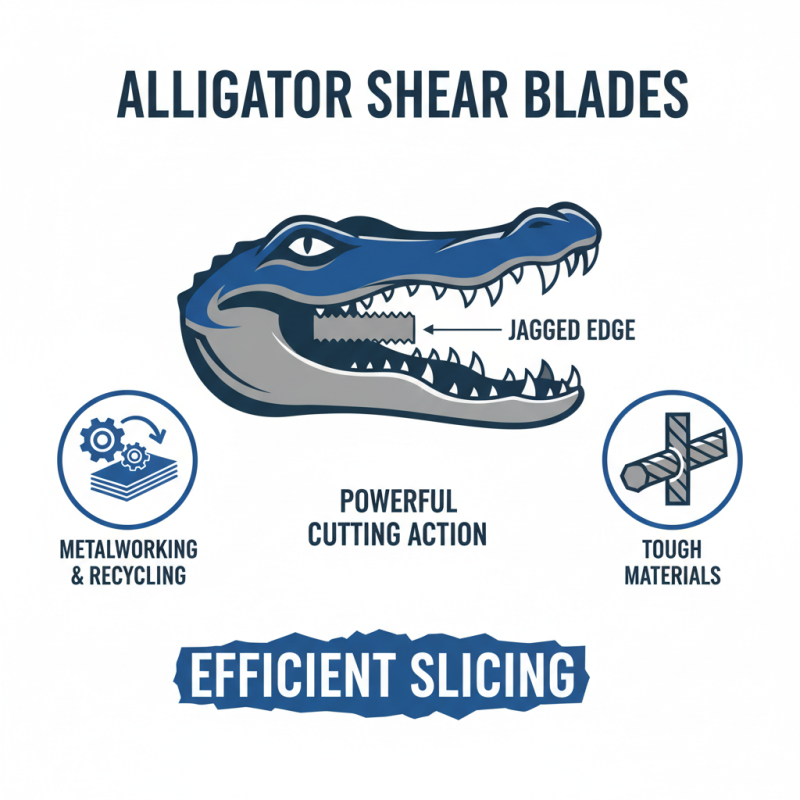
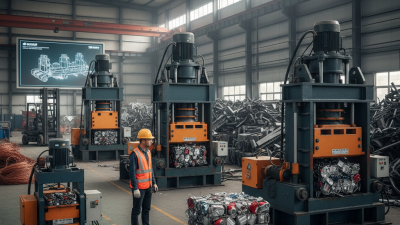
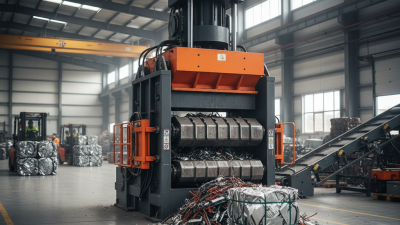
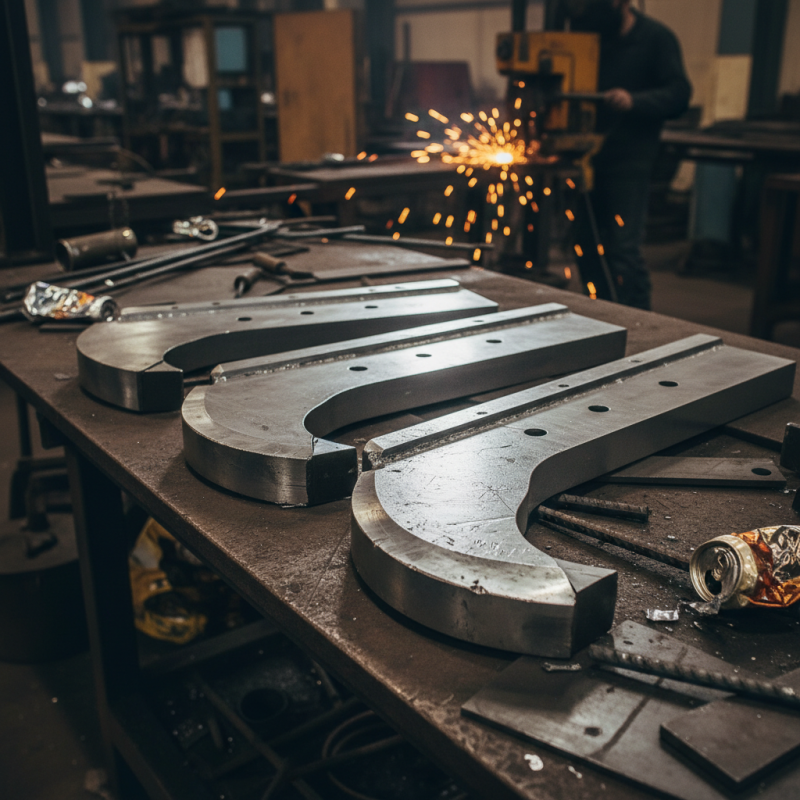
Alligator shear blades are essential tools for cutting various materials, often found in metalworking and recycling industries. Understanding their construction is key. These blades typically have a jagged edge that offers a powerful cutting action. Their design allows them to slice through tough materials efficiently.
When choosing alligator shear blades, consider the material you're cutting. Different materials require different blade specifications. For instance, softer metals may need a different angle than harder ones. Inspect the blade regularly. Dull blades can lead to uneven cuts and increase operation time.
Tips: Always maintain your blades. A clean blade performs better. If you're facing consistent problems, it might be worth evaluating your technique. Sometimes, the issue lies not in the blade but in how it’s used. Furthermore, store blades in a dry place to prevent rust. Rust can degrade performance over time.
Key Features and Benefits of Alligator Shear Blades
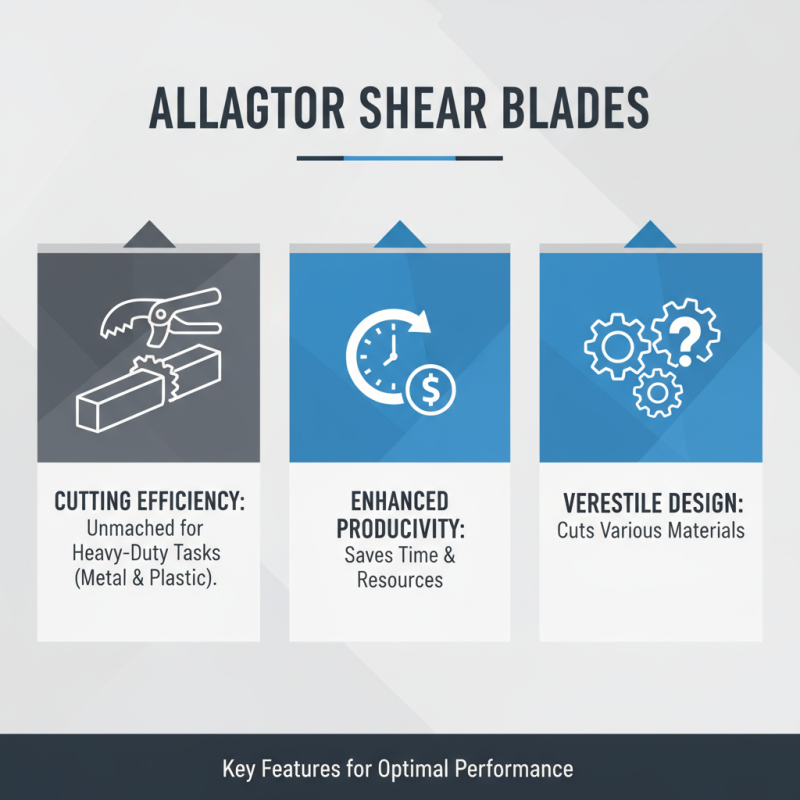
When choosing alligator shear blades, focusing on key features is essential. These blades offer unmatched cutting efficiency, making them ideal for heavy-duty tasks. The unique design allows seamless cutting through various materials, such as metal and plastic. This versatility can enhance productivity, saving time during operations.
Another significant benefit is the durability of these blades. They are designed to withstand extensive use and resist wear. This longevity reduces costs in the long run. However, frequent maintenance is required to ensure optimal performance. Neglecting this can lead to reduced cutting efficiency.
Users need to be aware of the blade specifications. Not all blades fit every machine. Choosing the right one is crucial for safety and effectiveness. Misalignment can lead to accidents and damage. It’s vital to double-check compatibility before making a decision. Ultimately, understanding these key features helps users make informed choices and enhances overall operational success.
Different Types of Alligator Shear Blades and Their Applications
Alligator shear blades come in various types, each designed for specific applications. The most common types include fixed, portable, and hydraulic alligator shear blades. Fixed blades are robust and ideal for stationary work. They handle heavy-duty tasks, cutting through thick metal with ease. Portable blades offer flexibility. They are lightweight and easy to maneuver, making them suitable for on-site jobs.
Data from industry reports highlight that hydraulic alligator shears are increasingly popular in recycling and metal processing. These shears can deliver high cutting power and efficiency. They can reduce energy consumption by up to 30% compared to older models. However, hydraulic systems require regular maintenance. Neglecting this can lead to decreased performance and safety risks.
Another concern is the blade material. Most alligator shear blades are made from high-carbon steel or alloy steel. While durable, they can wear out quickly under harsh conditions. Regular inspections are essential to prevent unexpected failures during operation. It's important to match the blade type with the specific cutting task to optimize performance and lifespan.
Top Alligator Shear Blades Applications
Maintenance Tips for Extending the Life of Alligator Shear Blades
Maintaining alligator shear blades is essential for optimal performance. Regular upkeep can greatly extend their lifespan. Industry reports indicate that proper maintenance can increase blade durability by up to 30%. This not only saves costs but also improves cutting efficiency.
Cleaning is a key maintenance task. After every use, ensure that debris doesn't accumulate on the blades. Even small particles can affect cutting precision. Operators should focus on removing any built-up material. A simple brush can often do the trick. Additionally, lubrication is important. Keeping the blades well-oiled minimizes wear and tear. This can prevent rust and maintain sharpness.
Operators often overlook the importance of storing blades properly. Blades left in damp environments can deteriorate quickly. Maintaining a dry, controlled environment is crucial. Regular inspections are also vital. Check for any signs of wear or damage. This proactive approach is often neglected. Addressing issues before they escalate may prevent costly replacements. Taking these steps can significantly enhance blade performance and longevity.
Choosing the Right Alligator Shear Blade for Your Needs
Choosing the right alligator shear blade can be a challenging task. There are several factors to consider depending on your specific needs. First, understand the material you will work with. Different blades excel with different metals. A blade for stainless steel may not be effective on aluminum.
Tips: Always check the thickness of the material. Ensure your chosen blade can cut through the required thickness with ease. Using a blade that’s too thick may lead to inefficiency.
Another important factor is the type of cuts you need. Are you making straight cuts, or do you need intricate curves? Blades vary in design. Some are better suited for straight cuts, while others handle curves well. Testing a few can help you find the best fit.
Tips: Don’t hesitate to ask for recommendations. Sometimes, feedback from experienced users can save you time. Observe what works and what doesn’t for better choices in the future. It’s okay to make mistakes; that’s part of learning. Reflecting on past choices can guide your next decision.