Top Shear Cutter Machine Applications and Benefits Explained?
Shear Cutter Machines play a crucial role in various industries, including manufacturing and construction. A recent report by the Machinery Industry Association indicates that the global demand for Shear Cutter Machines is projected to grow by 5.2% annually over the next five years. This growth reflects an increasing need for precision cutting and efficient processing.
According to industry expert John Thompson, "The evolution of Shear Cutter Machines has revolutionized production lines." He emphasizes the importance of technological advancements in enhancing cutting accuracy and reducing waste. However, the adoption of these machines is not without challenges. Many companies struggle with training workers and integrating new technologies.
Despite these hurdles, the benefits are undeniable. Shear Cutter Machines improve productivity and reduce operational costs. Their ability to handle various materials adds versatility in applications. As industries evolve, understanding these machines' capabilities is essential. Continuous reflection on operational practices will determine success in leveraging their full potential.
Overview of Shear Cutter Machine Technology and Mechanism
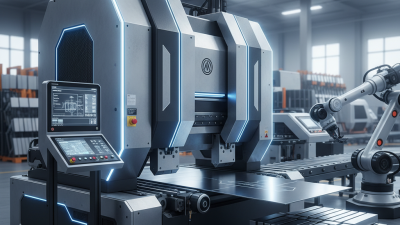
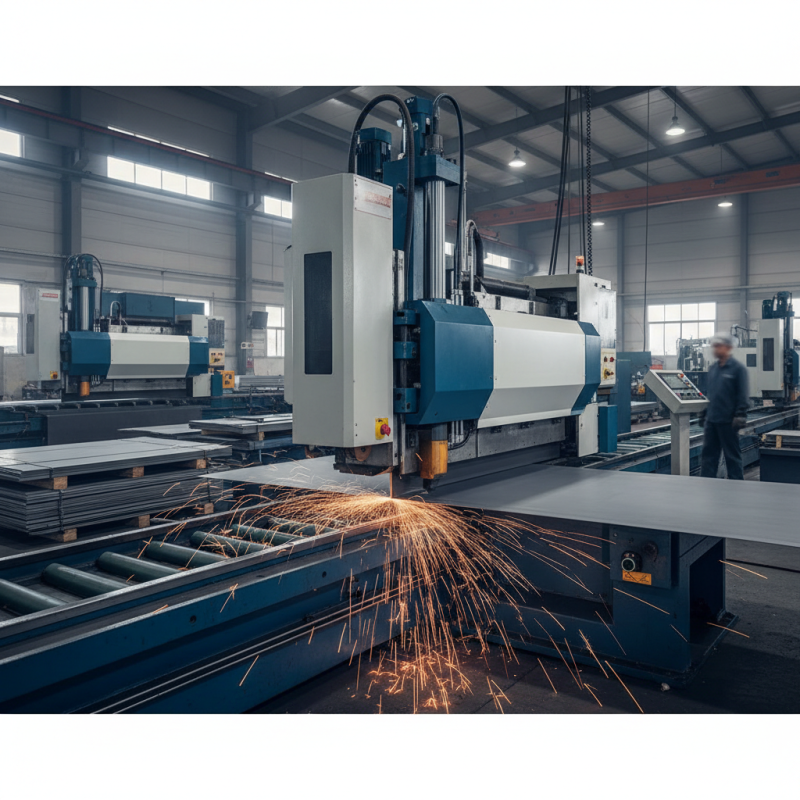
Shear cutter machines serve a vital role in various industrial applications. These machines utilize a specific mechanism to cut through materials with precision. At the heart of this technology is a pair of sharp blades that move in a scissor-like fashion. This design allows them to slice through tough materials efficiently, which is crucial for production lines.
The mechanism operates on hydraulic or mechanical principles. Hydraulic systems provide high force with minimal effort, enhancing cutting efficiency. Mechanical systems leverage powerful motors to drive the blades. Each has its limitations and benefits, making it essential to choose based on specific needs. Factors like material thickness and desired precision can determine the best option.
Despite their effectiveness, some challenges arise. For instance, worn blades can reduce accuracy and increase production time. Regular maintenance is also needed, or operators may face unexpected downtime. Understanding these drawbacks is critical for optimizing machine use. It encourages operators to think critically about their processes and explore ways to improve performance.
Top Shear Cutter Machine Applications and Benefits Explained
| Application |
Description |
Benefits |
| Metal Fabrication |
Used for cutting and shaping metal sheets and components. |
High precision and reduced waste material. |
| Textile Cutting |
Effective in cutting various types of fabrics for garment production. |
Increased cutting speed and efficiency. |
| Plastic and Composite Cutting |
Ideal for cutting plastic sheets and composite materials. |
Clean cuts with minimal burr and better finish. |
| Plywood Cutting |
Used in the woodworking industry for cutting plywood sheets. |
Enhanced productivity and reduced operational costs. |
| Food Industry |
Used for cutting food items with precision. |
Improved hygiene and reduced manual labor. |
Common Applications of Shear Cutter Machines in Various Industries
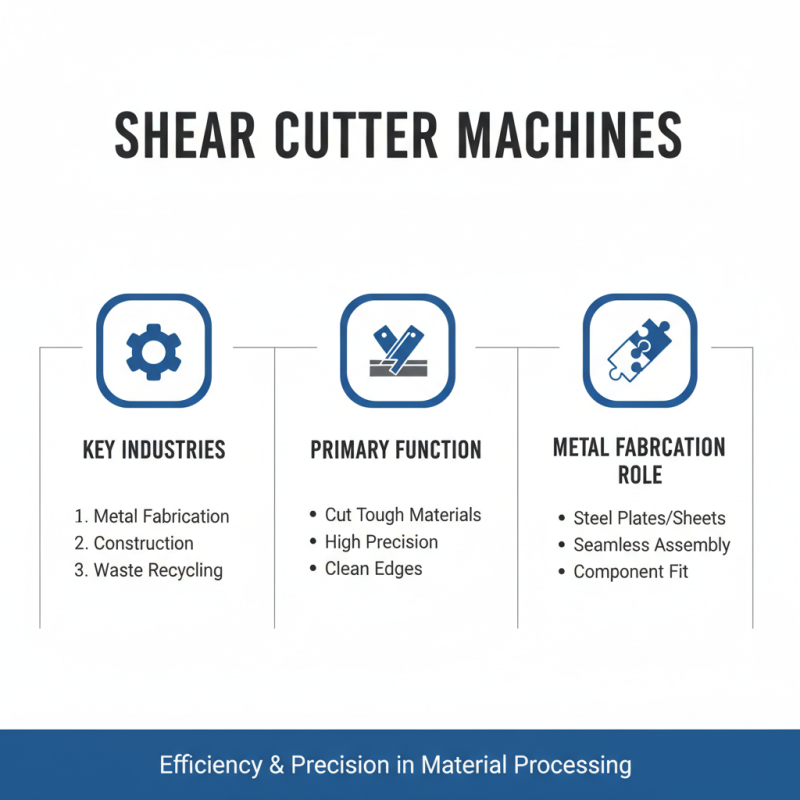
Shear cutter machines play a crucial role in various industries. They are widely used in metal fabrication, construction, and waste recycling. These machines cut through tough materials with precision. In the metal fabrication industry, shear cutters are essential for producing clean edges on steel plates and sheets. This ensures that components fit together seamlessly during assembly.
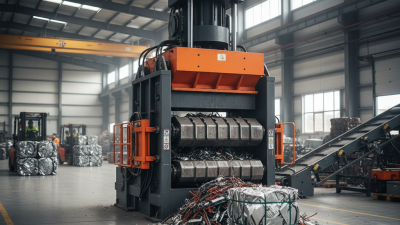
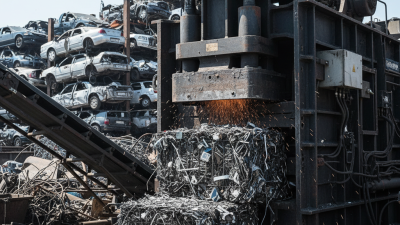
In construction, shear cutters help with the preparation of structural components. They can easily trim reinforcing bars or sheet metal, which speeds up the building process. Furthermore, their ability to handle large volumes of material makes them valuable on job sites. Waste recycling centers also rely on shear cutter machines. They efficiently process scrap metal and other materials, contributing to sustainable practices.
Though shear cutter machines offer significant benefits, there are some challenges. Maintenance can be time-consuming, and improper use may lead to accidents or defects. Operators need adequate training to maximize the machine's capabilities. There is always room for improvement in safety protocols. Addressing these issues is vital for enhancing productivity and ensuring workplace safety.
Key Benefits of Using Shear Cutter Machines for Production Efficiency
Shear cutter machines play a vital role in enhancing production efficiency across various industries. Their primary function is to cut materials like metal, plastic, and textiles precisely. This capability leads to a reduction in material waste, which is a significant cost-saving advantage. When materials are cut accurately, less scrap is generated. This translates to lower expenses and a more efficient production process.
Another key benefit is speed. Shear cutters operate at impressive speeds. This fast processing time allows companies to increase their output without sacrificing quality. However, operators must ensure they are trained correctly to avoid errors that could arise during operation. Oversight in this area can lead to increased downtime and material losses. Balancing speed and precision is essential.
Additionally, these machines offer flexibility. They can handle a range of thicknesses and materials. This adaptability supports various applications, from automotive parts to consumer goods. Some businesses, however, may find it challenging to manage this versatility effectively. Careful planning is necessary to maximize the benefits while minimizing potential disruptions. The learning curve can be steep, but the rewards in efficiency are significant.
Factors to Consider When Choosing a Shear Cutter Machine
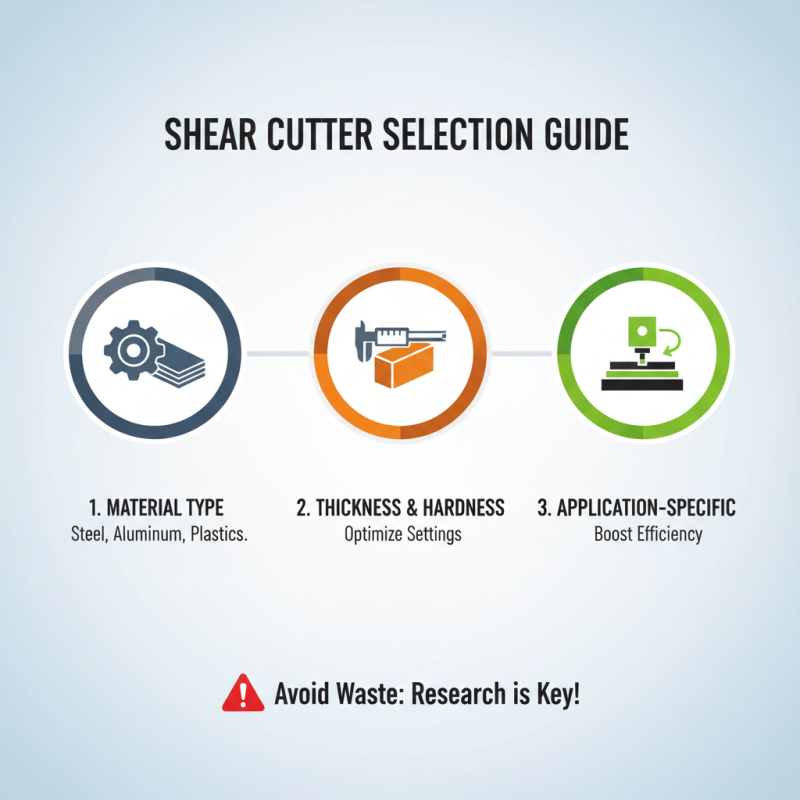
When choosing a shear cutter machine, several key factors emerge. Material type is crucial. Different materials require different cutting technologies. Steel, aluminum, and plastics each present unique challenges. Analyzing the specific thickness and hardness of these materials is essential. Research indicates that improper settings can lead to significant waste. Prioritize machines designed for specific applications to enhance efficiency.
Blade quality plays a pivotal role as well. High-quality, durable blades may reduce replacement frequency. Industry reports suggest that poor blade performance can lead to inaccuracies, costing businesses both time and money. Some machines require regular calibration. This impacts operational costs and downtime. Selecting a machine with reliable, self-adjusting blades can mitigate these issues.
Another important aspect is machine versatility. A multi-functional machine can adapt to different tasks. This can be a cost-effective solution for businesses with diverse needs. However, versatility sometimes comes at the cost of performance in specific tasks. Balance is essential; a machine that’s too focused on versatility might compromise cutting precision. Considerations like size, energy consumption, and safety features also play significant roles in deciding the right shear cutter. Investing time in these factors can yield better long-term results.
Future Trends and Innovations in Shear Cutter Machine Design
The design of shear cutter machines is evolving rapidly. Future trends focus on enhanced precision and energy efficiency. Innovations in materials are leading to lighter yet stronger components. This shift improves performance during high-speed operations. Additionally, smart technology integration is becoming common. Machines can now use sensors to monitor performance in real-time.
Tips: Regular maintenance is key to machine lifespan. Consider training staff on new technologies. It helps keep everyone updated.
Another exciting trend is automation. Automated systems reduce human error and increase production rates. However, this shift raises concerns about job displacement. Balancing technology and workforce wellbeing is crucial. Companies must adapt to these changes thoughtfully.
Tips: Encourage feedback from your team. They can offer valuable insights on new systems. Also, stay informed about industry developments. It can help guide decisions effectively.