Why Scrap Metal Shears Are Essential in Metal Recycling Industry?
In the metal recycling industry, the role of Scrap Metal Shears cannot be overstated. Renowned expert in recycling technologies, John Miller, states, "Efficient cutting is the backbone of recycling operations." This illustrates the necessity for reliable equipment in processing scrap metal.
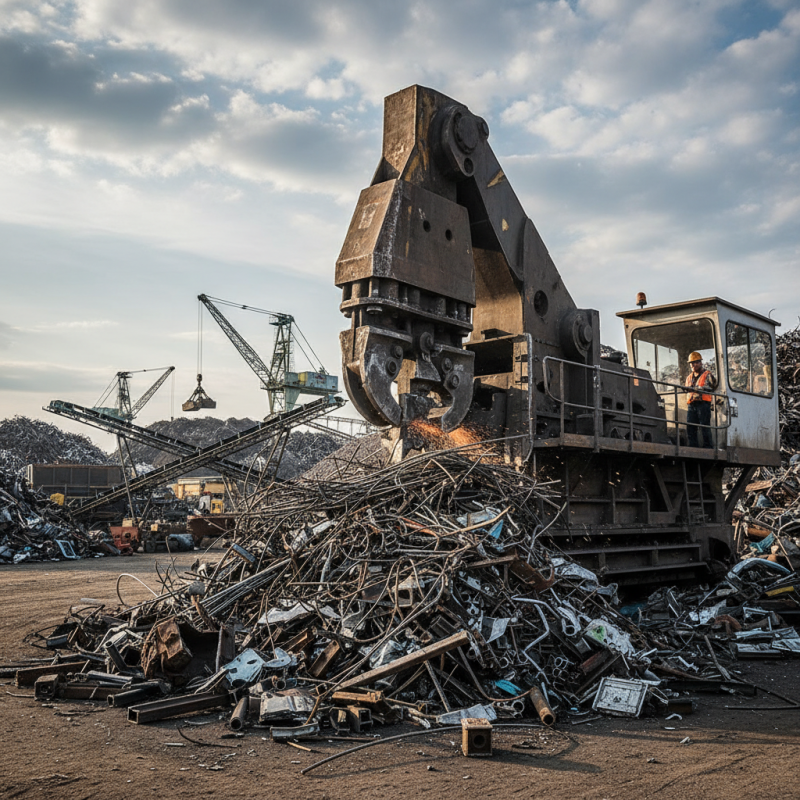
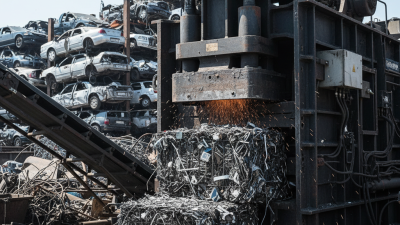
Scrap Metal Shears are crucial for the efficient dismantling of large metal structures. They ensure that materials are reduced to manageable sizes. With advancements in technology, these shears now offer precision and speed that were unimaginable a decade ago.
However, it's important to acknowledge potential challenges. The initial investment may be steep for smaller operations. Furthermore, operator training is vital to maximize the shears' performance. The industry must consistently find balance in efficiency and sustainability. Investing in Scrap Metal Shears is not just a choice; it's an essential step towards a better recycling future.
Importance of Scrap Metal Shears in Recycling Operations
Scrap metal shears play a crucial role in the recycling industry. They help reduce large metal pieces into manageable sizes. This process is essential for maximizing recovery rates. According to the Institute of Scrap Recycling Industries, over 67 million tons of scrap metal were recycled in the U.S. in 2021 alone. Efficient processing tools like shears improve operational efficiency significantly.
In recycling operations, time is of the essence. Scrap metal shears cut through various metals quickly. They allow recyclers to handle a higher volume of materials daily. Moreover, shears minimize labor costs by enabling fewer workers to accomplish more. A report from the International Recycling Bureau indicated that modern shearing machines can increase productivity by up to 30%.
However, not all operations fully utilize these tools. Some facilities overlook the maintenance aspect of machinery. This leads to decreased efficiency over time. Regular inspections can help in detecting issues early. Ignoring these details can impact the overall performance of recycling operations.
Types of Scrap Metal Shears Used in the Industry
Scrap metal shears are vital tools in the metal recycling sector. They come in various types, each designed for specific tasks. The prevalent types include hydraulic shears, electric shears, and manual shears. Hydraulic shears are powerful, suited for heavy-duty tasks. A recent industry report highlighted that hydraulic models can cut through 0.8-inch steel with ease. Electric shears, on the other hand, are efficient for thinner materials. They are user-friendly, making them ideal for smaller operations.
Manual shears are essential for lighter tasks. Their simplicity allows for quick and precise cuts. However, they require more physical effort. This factor can limit their use in high-volume facilities. An industry analysis noted that in 2022, about 30% of facilities relied primarily on manual shears. While they are economical, this choice may slow down operations. The blend of shear types can enhance recycling performance.
Even with advancements, challenges persist. Operators often face safety risks. Proper training is crucial but sometimes overlooked. An estimated 15% of accidents in metal recycling relate to incorrect shear use. Encouraging safe practices can significantly reduce injuries and improve efficiency. Engaging with newer technologies may also enhance overall productivity. Continuous reflection on these aspects is necessary for growth in the industry.
Types of Scrap Metal Shears Used in the Industry
How Scrap Metal Shears Improve Efficiency and Safety
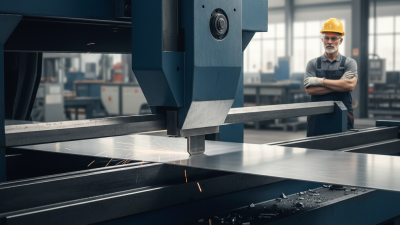
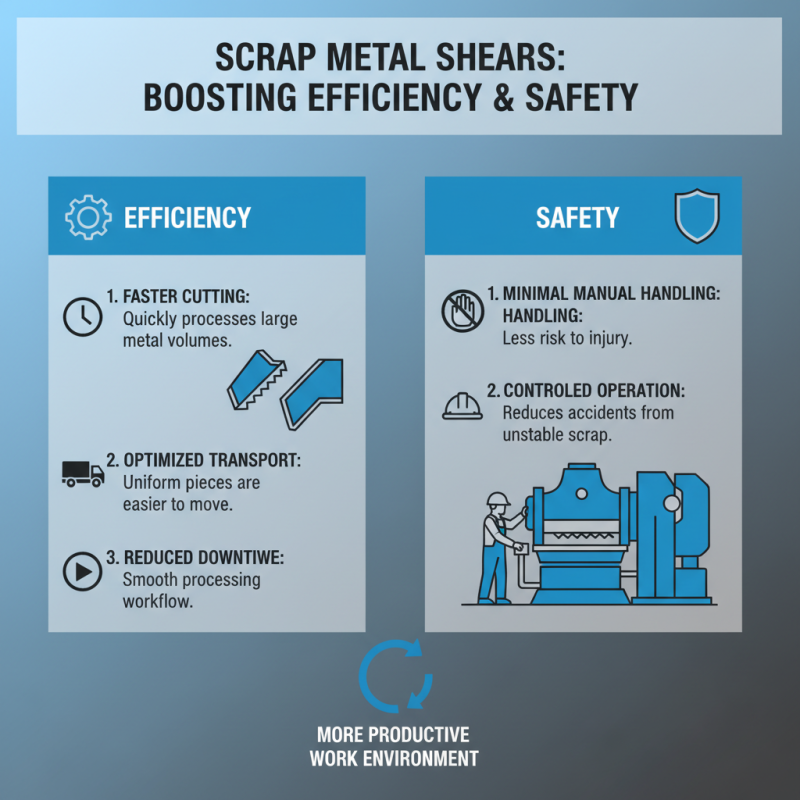
In the metal recycling industry, scrap metal shears play a crucial role in enhancing efficiency and safety. These tools streamline the cutting process, allowing workers to handle large volumes of scrap metal quickly. A well-cut piece is easier to transport and process, significantly reducing downtime. This leads to a more productive work environment.
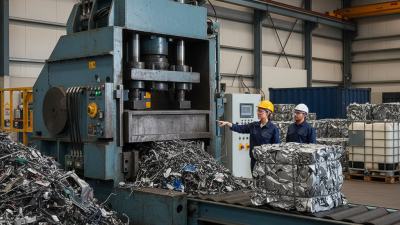
Using scrap metal shears also minimizes the risk of accidents. Operators can handle materials with precision, reducing the chances of injury. Proper training on using these tools is essential. It's vital that all workers wear the right personal protective equipment to ensure safety while operating heavy machinery.
Tips for using scrap metal shears effectively include checking the blades regularly for wear and tear. Dull blades can lead to inefficient cuts and may require more effort, increasing the risk of mishaps. It’s also important to maintain a clean work area, as clutter can hide hazards. Taking these precautions can enhance both safety and efficiency, keeping operations running smoothly.
Environmental Benefits of Using Scrap Metal Shears
The recycling industry relies heavily on scrap metal shears. These machines play a crucial role in processing metal efficiently. By cutting large pieces into manageable sizes, they streamline recycling, making it more effective.
Using scrap metal shears greatly benefits the environment. They help reduce waste and lower greenhouse gas emissions. This process promotes sustainability by allowing more metal to be recycled, minimizing the need for new materials. Scrap metal shears also consume less energy compared to other methods. The less energy used, the smaller the carbon footprint.
**Tip:** Regular maintenance of shears can prolong their life and enhance performance. Ensure you regularly inspect blades for wear and tear to maintain efficiency.
However, not all materials can be processed uniformly. Some metals might require different approaches. It’s crucial to identify these before using shears. Also, consider the safety protocols for operators. Training is essential to avoid accidents and ensure maximum efficiency. By prioritizing these measures, the recycling process can be notably improved.
Why Scrap Metal Shears Are Essential in Metal Recycling Industry? - Environmental Benefits of Using Scrap Metal Shears
| Benefit |
Description |
Impact on Recycling |
Environmental Benefit |
| Efficiency |
Cuts various metals quickly and accurately. |
Increases collection rate of recyclable metals. |
Reduces landfill waste. |
| Safety |
Designed to minimize the risk of injuries. |
Promotes safer working environments. |
Supports community health and well-being. |
| Versatility |
Can handle a variety of metal types and thicknesses. |
Allows recycling of non-uniform materials. |
Contributes to material recovery and reuse. |
| Cost-Effectiveness |
Reduced labor costs due to automation. |
Enhances profitability of recycling operations. |
Encourages sustainable practices in business. |
Future Trends in Scrap Metal Shear Technology for Recycling
The recycling industry is witnessing a technological shift in scrap metal shears. In recent years, advancements have focused on efficiency and energy consumption. According to a report by the Institute of Scrap Recycling Industries, improving shear technology can enhance processing speeds by up to 30%. This increase significantly impacts operations, allowing recyclers to handle larger volumes of metal.
Future trends indicate a growing use of automation in scrap metal shears. Sensors and smart technology will monitor performance, optimizing cuts and reducing waste. As regulations tighten, this precision will be crucial. A report from the International Metal Recycling Association notes that inefficient equipment can lead to 15% higher operational costs. Companies must prioritize innovation to stay competitive.
Moreover, there is a notable push towards sustainability. New shears are designed to minimize energy usage and emissions. Data from the Global Recycling Foundation shows that adopting greener technologies can reduce carbon footprints by up to 25%. This shift highlights a need for the industry to balance cost and environmental responsibility. Observing these trends can lead to more effective recycling practices in the future.