Top Metal Cutting Shear Machine Features and Benefits Explained
In the fast-paced world of manufacturing, efficiency is crucial. A Metal Cutting Shear Machine is an essential tool for many industries, providing precise cuts and increased productivity. According to a 2023 industry report by TechResearch, the demand for these machines is projected to grow by 7.5% annually. As more companies adopt automated solutions, understanding the features and benefits of these machines becomes vital.
Expert John Smith, a leading authority in metal fabrication, remarked, "A Metal Cutting Shear Machine not only enhances accuracy but also significantly reduces operational costs." His insights highlight the importance of investing in technology. These machines can handle various materials, ensuring versatility in production. However, many businesses still overlook proper machine maintenance, which can lead to decreased performance and costly repairs.
Incorporating advanced features can improve cutting speed and precision. Yet, some manufacturers fail to harness these capabilities fully. It is essential to address these gaps to maximize the return on investment in Metal Cutting Shear Machines. Businesses must recognize that while these machines offer immense benefits, a thoughtful approach is necessary for sustainable growth.
Key Features of Metal Cutting Shear Machines
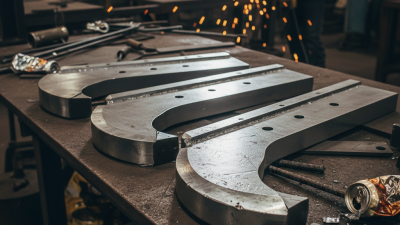
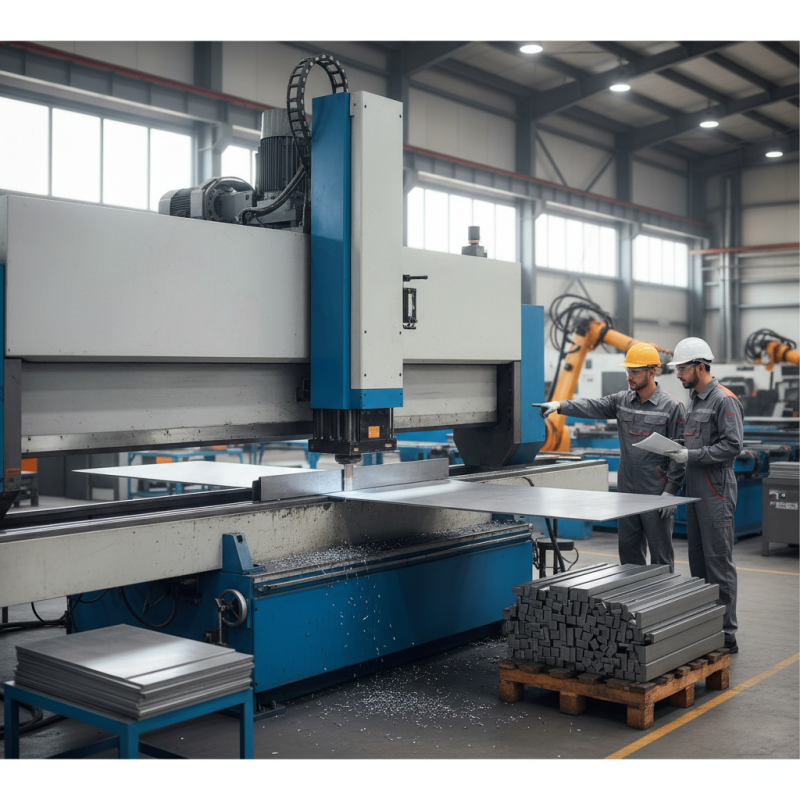
Metal cutting shear machines play a crucial role in various industries. They allow for precise cutting of metal sheets, ensuring efficiency and accuracy. Key features of these machines include adjustable cutting lengths and thickness. Operators can customize settings to suit specific project needs. This flexibility can significantly enhance productivity.
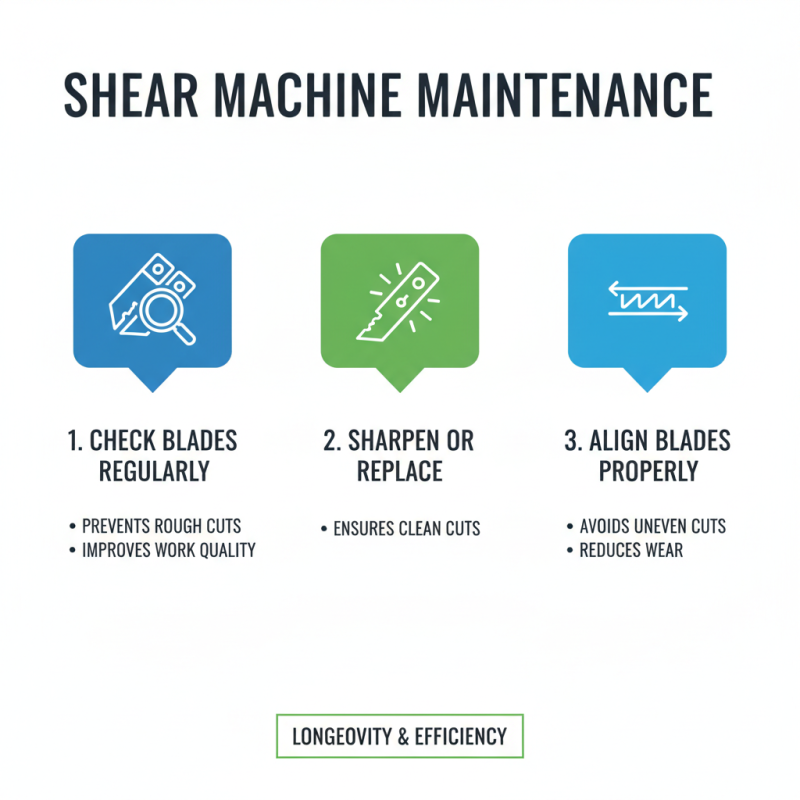
Another important feature is the machine's built-in safety systems. These systems help protect operators from accidents. Despite these advancements, operators must remain vigilant. Regular maintenance is essential to ensure optimal performance. Neglecting this can lead to breakdowns and costly delays.
Ease of use is also a notable aspect. Many modern designs focus on user-friendly controls. This approach minimizes the learning curve for new operators. However, it's essential to invest time in training. Understanding the machine fully can prevent mistakes during operation.
Advantages of Using Metal Cutting Shear Machines
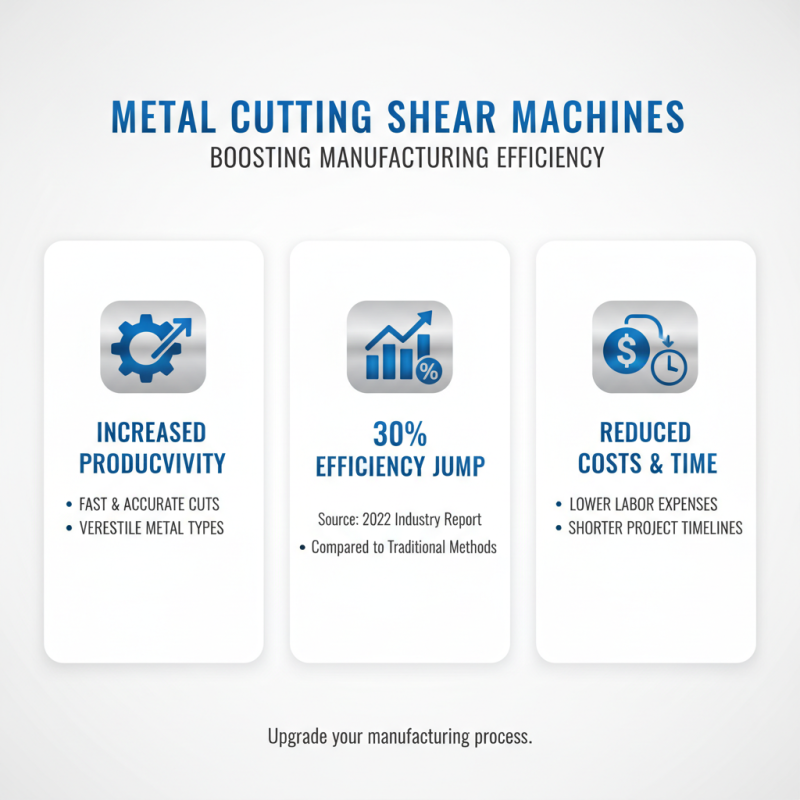
Metal cutting shear machines offer several advantages in various manufacturing processes. These machines enhance productivity by providing fast and accurate cuts for various metal types. According to a 2022 industry report, businesses using advanced shears reported a 30% increase in efficiency compared to traditional cutting methods. This boost in performance often translates to reduced labor costs and shorter project timelines.
Moreover, metal cutting shears are versatile. They can easily handle different thicknesses and sizes of metal sheets. This flexibility allows companies to adapt quickly to changing market demands. However, proper training and maintenance are crucial. Many operators report difficulties in mastering the technology initially. A 2021 survey found that 25% of users experienced a learning curve, highlighting the need for improved operator education.
Safety is another critical aspect. Modern shear machines come equipped with advanced safety features, minimizing workplace accidents. Yet, challenges remain in ensuring that all employees follow safety protocols diligently. A report indicated that 15% of accidents in fabrication plants were linked to improper use of these machines. Investing in safety training and regular assessments can mitigate these risks.
Types of Metal Cutting Shear Machines and Their Uses
Metal cutting shear machines come in various types, each designed for specific tasks. Hydraulic shears are powerful and can handle thick materials. They are ideal for heavy-duty applications. On the other hand, mechanical shears are faster and suitable for lighter metals. They often find use in manufacturing settings. Plasma shears, meanwhile, use high-temperature gas to cut metal, offering precision and versatility.
Each type has its unique benefits. Hydraulic models provide consistent pressure, making them reliable but sometimes slower. Mechanical types are quick but may struggle with very thick metals. Users need to consider their specific needs. Sometimes, the choice can feel overwhelming. It’s not unusual to second-guess which shear might be the best fit for a project. Balancing speed and cutting capacity is crucial. Finding that balance can be a challenge, yet it’s essential for efficient operation in metalworking environments.
Comparing Metal Cutting Shears with Other Cutting Tools
When choosing cutting tools for metalwork, metal cutting shears stand out against other options. They are specialized, providing clean and precise cuts. Unlike traditional saws, shears minimize material waste. This leads to more efficient use of resources. Furthermore, the clean edges reduce the need for secondary finishing processes.
Tips: Always check the blade condition. Dull blades can cause rough cuts and waste materials. Ensure you use shears suited for the specific type of metal you are cutting. This can prevent damage to both the machine and the material.
Comparing shears with plasma cutters or laser cutters reveals notable differences. Plasma cutters excel in cutting thicker materials but might burn the edges. In contrast, metal shears retain the integrity of the metal. This is crucial for projects needing precision. Each tool has its strengths and weaknesses; it’s essential to assess your project's needs thoroughly.
Tips: Consider the thickness of the material. Metal shears are more efficient for thinner sheets. For thicker pieces, look into plasma or laser options. Understanding the limitations and capabilities of each tool is vital for optimal results.