Why is Iron Scrap Baling Press Essential for Recycling Industry?
The Iron Scrap Baling Press plays a vital role in the recycling industry. It efficiently compacts scrap iron into bales, making transportation and storage easier. According to a report by the Bureau of International Recycling, the global scrap metal recycling market is projected to reach $600 billion by 2025. This growth highlights the demand for effective processing equipment like the Iron Scrap Baling Press.
Industry expert Dr. James Miller emphasizes its importance, stating, "An efficient baling system can significantly enhance productivity in recycling plants." As recycling efforts ramp up, the need for reliable machinery becomes even more critical. However, some facilities may still rely on outdated methods, underscoring the need for modernization.
The current recycling landscape presents challenges. While the push for green initiatives is strong, many companies struggle with inefficient processes. Failure to adopt advanced equipment, such as the Iron Scrap Baling Press, can lead to missed opportunities in this thriving market. Adapting to modern techniques is essential for any facility aiming to remain competitive.
Importance of Iron Scrap Baling Press in Recycling Operations
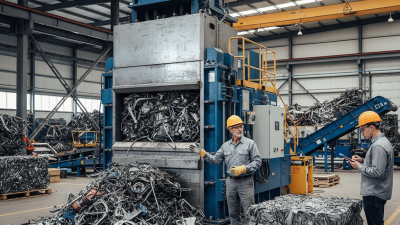
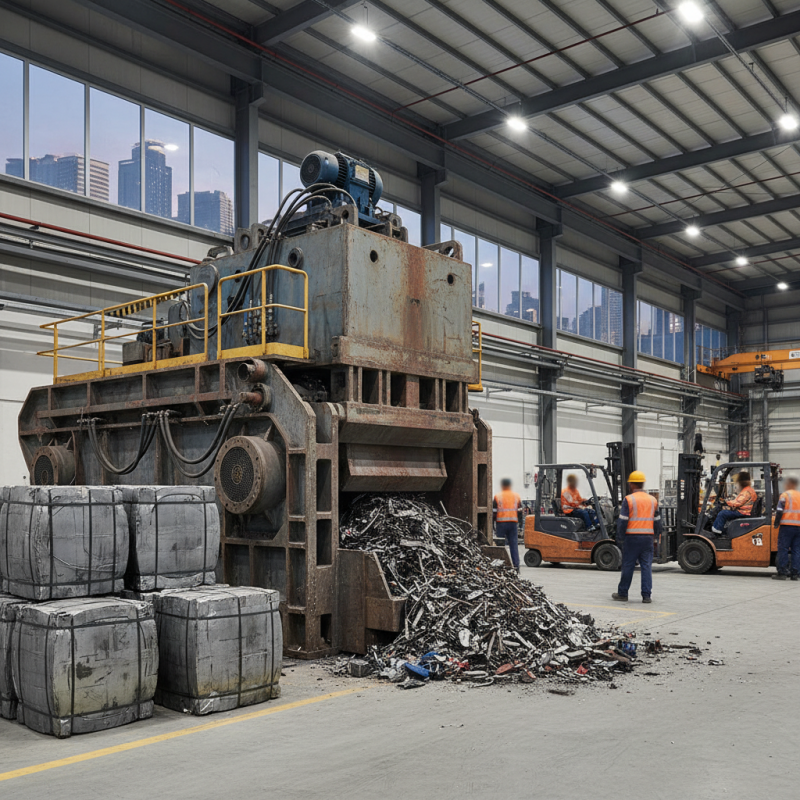
The iron scrap baling press plays a crucial role in recycling operations. It compresses loose metal scraps into compact bales. These bales are easier to handle, transport, and store. By optimizing space in recycling facilities, efficiency increases. Scrap metal processors can quickly sort and prepare materials for recycling.
In many recycling operations, scrap metal is abundant. However, it often comes in various shapes and sizes. A baling press ensures uniformity, making the recycling process smoother. Without proper baling, materials might be left bruised and unsorted. This leads to inefficiencies and potential losses. Moreover, transporting loose scraps can be challenging. Bales stack neatly, allowing for better space management.
The importance of the iron scrap baling press should not be underestimated. It enhances safety as well. Unbaled scrap can create hazards in the workplace. Cluttered areas often lead to accidents. By using a baling press, the workspace remains organized. Workers can focus on their tasks without unnecessary distractions. Regular maintenance of the baling press is also necessary for optimal performance. Ignoring upkeep can result in unexpected breakdowns, affecting overall productivity.
Key Functions of Iron Scrap Baling Press in Material Processing
Iron scrap baling presses play a crucial role in the recycling industry. They help compact iron scrap into manageable bales. This process significantly reduces the volume of scrap metal. According to a recent industry report, recycling metal can save up to 95% of the energy needed to produce new metal. Such efficiency makes baling presses vital.
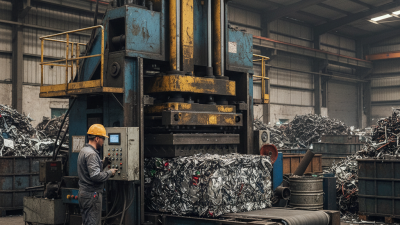
The key functions of these machines include compressing the scrap into bales. These bales are easier to transport and store. Transporting loose scrap is costly and space-consuming. Baling iron scrap enhances the recycling process. It allows for better organization and increases safety in storage facilities. The compaction of scrap also aids in maintaining a clean working environment. Keeping the work area tidy is often overlooked but critical for operational efficiency.
Despite their benefits, it is essential to consider the challenges. Not all baling presses can handle diverse scrap sizes. Some machines may struggle with mixed materials. This can lead to inefficiencies in processing. Operators need training to prevent equipment damage. Adjustments are often necessary to optimize performance. The recycling industry should reflect on these factors for improvement.
Economic Benefits of Using Baling Press in Scrap Recycling
The recycling industry faces many challenges. Among them is the effective processing of scrap metal. Iron scrap baling presses play a crucial role in addressing these challenges. They help compress scrap into manageable bales. This area of focus results in significant economic benefits.
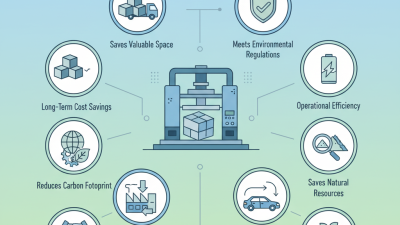
Using a baling press increases storage efficiency. Baled scrap occupies less space. This translates to lower operational costs for recycling facilities. Moreover, transporting these bales is more economical. Fewer trips are needed, saving fuel and time. Such practical logistics lead to higher profit margins.
Tips: Always consider the scrap type. Different metals may require specific processing techniques. Proper sorting can enhance efficiency. Regular maintenance of your baling press is essential. It ensures consistent performance and longevity. Neglecting this can lead to costly repairs down the road. Additionally, explore local markets for bales. Demand can vary, affecting your profits.
By investing in a baling press, businesses unlock new revenue opportunities. The upfront costs may seem high, but the long-term savings are clear. Balers streamline operations and make recycling more profitable. Embracing this technology could reshape the industry's future. Recycling might just become a flow.
Environmental Impact of Iron Scrap Baling Press Technology
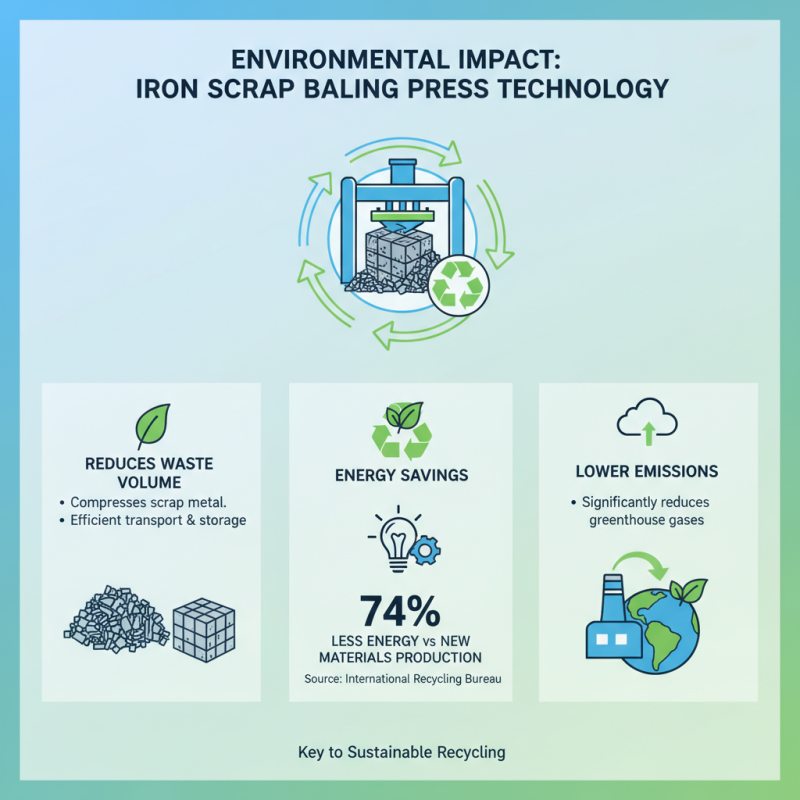
The iron scrap baling press plays a vital role in the recycling industry. Its technology aids in compressing scrap metal into manageable bales. This process reduces the volume of waste, making transportation and storage more efficient. According to the International Recycling Bureau, recycling iron and steel can save up to 74% of energy compared to producing new materials. This is significant for reducing greenhouse gas emissions.
Using baling presses also promotes better recycling rates. The World Steel Association reports over 90% of iron and steel can be recycled without losing quality. However, many facilities struggle with contamination in scrap materials. Baling presses can help mitigate this problem. A cleaner scrap stream leads to better end products. Poorly managed scrap can hamper recycling efforts. Companies must continuously seek improvement.
The environmental footprint of this technology is notable. A study from the Environmental Protection Agency indicated that recycling steel conserves 1.5 tons of iron ore, 0.5 tons of coal, and 0.3 tons of limestone per ton of steel recycled. Despite these benefits, the up-front cost of baling presses can be a barrier. Some businesses are hesitant to invest, despite long-term savings. Continuous education is needed to highlight the environmental advantages and the potential for cost efficiency.
Challenges and Innovations in Iron Scrap Baling Press System
The efficiency of iron scrap baling presses is pivotal in the recycling industry. These machines compress scrap metal into manageable bales. The need for such equipment has surged as global recycled metal production reached approximately 1.6 billion metric tons in 2021. However, industry players face challenges like inconsistent scrap material and fluctuating metal prices.
Innovations are reshaping the iron scrap baling press systems. Advanced sensors and automation increase efficiency. Reports indicate that automation can enhance production output by 20%. Yet, many facilities still rely on outdated technology, leading to bottlenecks. Addressing these gaps is crucial for improving operational effectiveness and sustainability.
Despite advancements, challenges remain. Some baling presses struggle with larger scrap items. A study showed that 30% of scrap is left unprocessed due to machinery limitations. Additionally, resource allocation for upgrading systems often falls short. This raises important questions about long-term sector viability and the need for continuous innovation.
Why is Iron Scrap Baling Press Essential for Recycling Industry? - Challenges and Innovations in Iron Scrap Baling Press System
| Dimension |
Data |
| Typical Capacity (tons/hour) |
2-10 |
| Energy Consumption (kWh/ton) |
100-500 |
| Average Lifecycle (years) |
10-15 |
| Common Challenges |
Material contamination, equipment wear, operational downtime |
| Recent Innovations |
Automation, smart sensors, energy-efficient designs |
| Market Growth Rate |
8% CAGR (2023-2028) |