Top Hydraulic Alligator Shear Features Benefits and Applications?
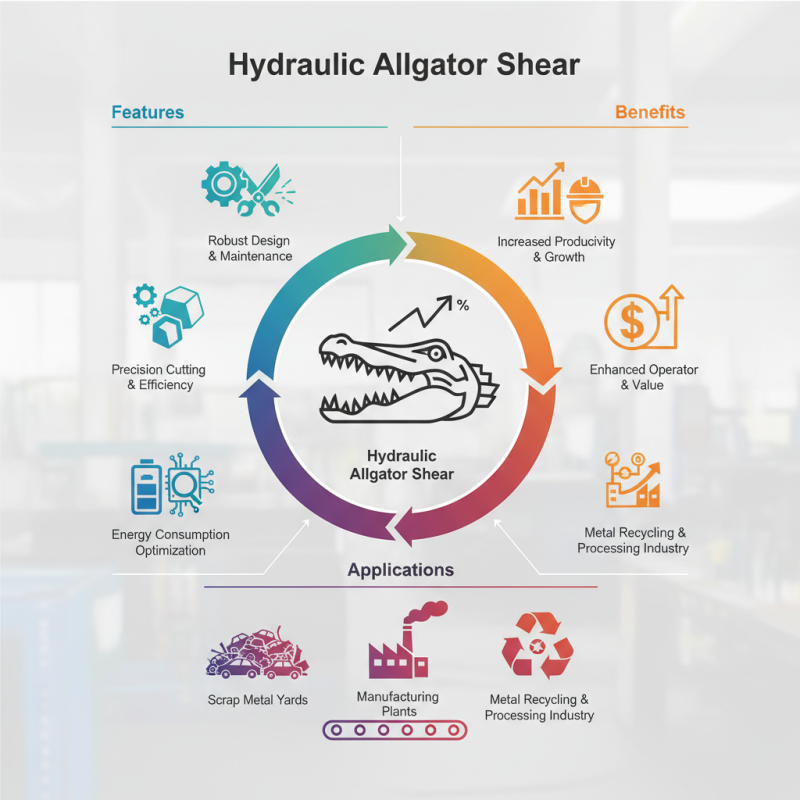
The Hydraulic Alligator Shear is a critical tool in the metal recycling and processing industry. Its robust design allows for efficient and precise cutting of various metal materials. According to a recent report by Smith & Associates, the market for hydraulic shears has seen an annual growth rate of 7.5% over the past five years. This growth reflects the increasing demand for efficient metal working solutions.
Experts like Dr. Emily Johnson, a leading authority in hydraulic machinery, noted, "The Hydraulic Alligator Shear stands out for its versatility and power." This shear is used in numerous applications, from scrap metal yards to manufacturing plants. Its unique features enhance productivity while ensuring operator safety. However, there remain challenges in optimizing performance and reducing energy consumption.
Companies must continually assess their equipment and processes. A focus on maintenance and technology upgrades is essential. Striving for efficiency can reveal areas for improvement in the use of Hydraulic Alligator Shears. As the industry evolves, understanding these machines' capabilities becomes crucial for success in metal processing.
Overview of Hydraulic Alligator Shears
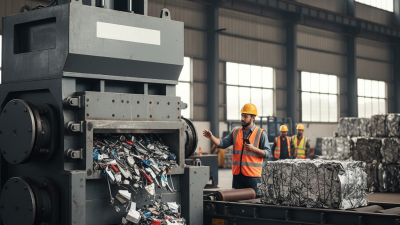
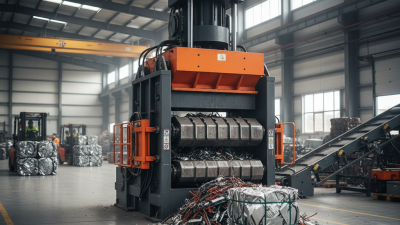
Hydraulic alligator shears are essential tools in metal recycling and demolition industries. These machines compact and cut through tough materials like steel and aluminum effortlessly. Their unique design allows for a powerful cutting force, making them ideal for processing large scrap items, from heavy beams to smaller unwanted metal bits. The versatility of hydraulic alligator shears ensures they can adapt to various tasks and environments.
The cutting process is smooth and efficient. Operators appreciate the safety features built into most hydraulic alligator shears. These machines usually include emergency stops and shields to protect workers from metal shards. However, not all manufacturers prioritize the same safety standards. It’s crucial to choose equipment that meets industry regulations for safety. Additionally, training operators adequately on using this equipment can prevent accidents and ensure efficient operation.
While hydraulic alligator shears deliver impressive results, they require regular maintenance. Neglecting upkeep can lead to hydraulic fluid leaks or reduced cutting power. Users should schedule routine checks and consider potential wear and tear on blades. This proactive approach can enhance the machine's lifespan and performance, contributing to an overall efficient workspace. Regular assessments can reveal any necessary updates or repairs needed, ensuring continued reliability.
Key Features of Hydraulic Alligator Shears
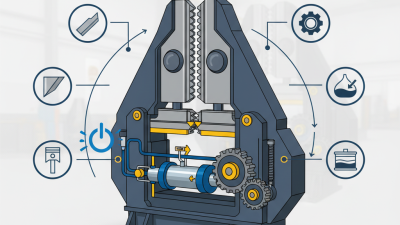
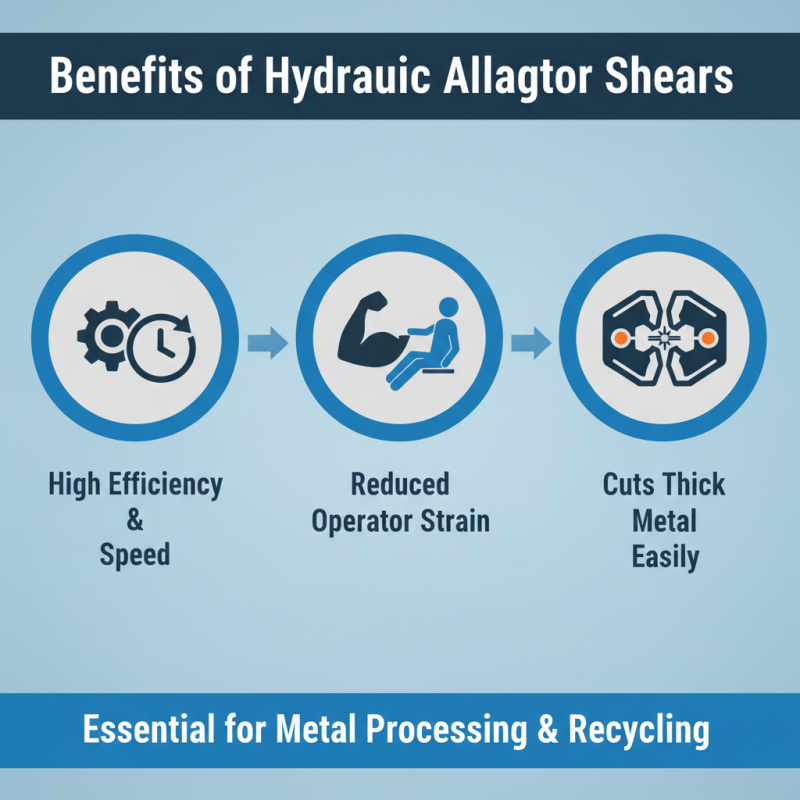
Hydraulic alligator shears are vital tools in the recycling and metal processing industries. Their hydraulic mechanism provides immense cutting power, enabling them to slice through thick metal efficiently. This feature is particularly valuable for operations involving scrap metal, where precision and strength are paramount. The robust design ensures longevity, reducing the need for frequent replacements.
One key aspect of hydraulic alligator shears is their versatility. They can handle various materials, including aluminum and steel. This adaptability allows users to work on different projects without investing in multiple machines. However, proper training is essential. Inexperienced operators may struggle to achieve the desired results, leading to waste or accidents.
Safety features are another critical attribute. Many models come equipped with emergency shut-off systems, enhancing operator protection. However, users can sometimes overlook these safety measures. Regular maintenance checks are crucial for ensuring all components function correctly. Despite their strengths, hydraulic alligator shears require a commitment to proper usage and care. This creates ongoing challenges for some operators but can lead to significant advantages for those who prioritize safety and efficiency.
Top Hydraulic Alligator Shear Features and Benefits
Common Applications for Hydraulic Alligator Shears
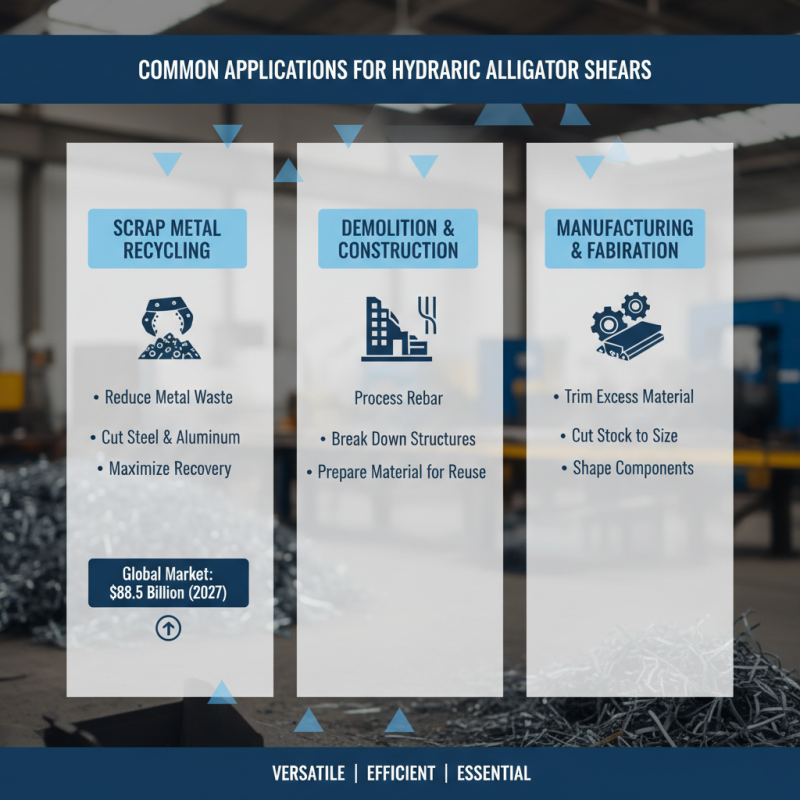
Hydraulic alligator shears are renowned for their versatility in various industries. One significant application is in scrap metal recycling. According to a market report, the global scrap metal recycling market is expected to reach USD 88.5 billion by 2027. Hydraulic shears play a crucial role in reducing metal waste. They efficiently cut through steel and aluminum, maximizing recovery rates.
Another common use is in demolition projects. These shears are designed to slice through girders and structural components with precision. A study from the American Institute of Steel Construction indicates that structural steel accounts for about 50% of construction waste. Hydraulic alligator shears help mitigate this by enabling quick and clean material handling.
The transportation sector also benefits from these tools. They aid in dismantling old vehicles, allowing for the recycling of valuable parts. Reports indicate that nearly 27 million vehicles reach end-of-life status annually in the U.S. Proper use of shears in dismantling can improve recycling efficiency. This, however, requires operator training and adherence to safety measures, which are often overlooked. Emphasizing reliability and expertise in utilizing these machines is essential for optimal results.
Maintenance and Safety Considerations for Users
Hydraulic alligator shears are essential in metal recycling and fabrication. However, maintenance and safety are just as critical for effective operation. According to the Institute of Scrap Recycling Industries (ISRI), improper use of hydraulic shears can lead to workplace accidents, including severe injuries. Regular maintenance checks can prevent such incidents.
Daily inspections help identify issues early. Operators should check hydraulic fluid levels and ensure no leaks are present. The blades must be sharp and properly aligned to maximize efficiency and safety. A study by OSHA found that well-maintained equipment reduces accident rates by up to 40%. Clear guidelines should be established for user training, emphasizing the importance of personal protective equipment (PPE) when working with shears.
Even with proper maintenance, there can be unexpected challenges. Conditions like rust or wear can affect performance. Operators need to be vigilant and ready to adapt. Documenting safety procedures can further enhance operational safety. This proactive approach not only secures the workspace but also fosters a culture of safety first in the workplace environment.