10 Essential Tips for Using a Metal Scrap Baling Machine Effectively?
In the fast-paced world of recycling, a Metal Scrap Baling Machine plays a vital role. Industry expert John Williams states, “Efficiency in scrap management starts with the right machinery.” This highlights the importance of optimizing machine use. A well-functioning baling machine ensures maximum compaction and optimal workflow.
However, many users overlook common operational tips. Mismanagement can lead to costly downtime. For instance, an uncalibrated machine may fail to compress materials effectively. Additionally, neglecting regular maintenance can result in unexpected malfunctions. Users must remain vigilant.
In this context, understanding best practices is crucial. Applying effective techniques can enhance baling performance. As the scrap metal industry evolves, adapting to these changes is essential. Embracing these methods helps ensure that the Metal Scrap Baling Machine remains a reliable asset in recycling operations.
Understanding the Basics of Metal Scrap Baling Machines
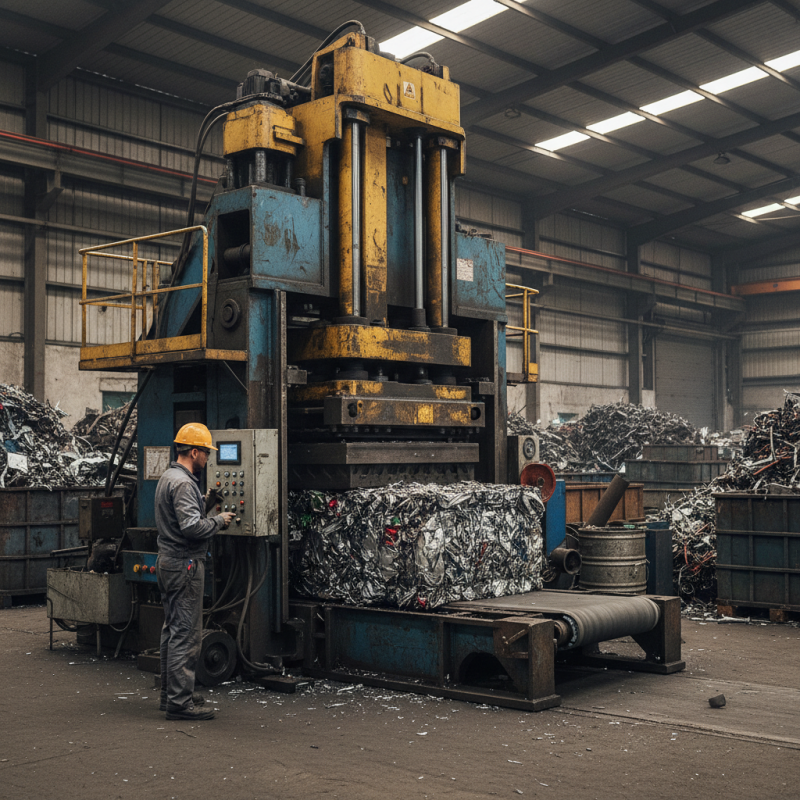
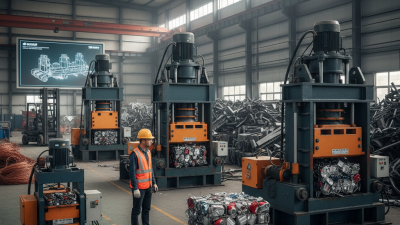
Metal scrap baling machines are essential in recycling. They compress scrap metal into manageable bales. This process saves space and makes transportation easier. Understanding how these machines work can improve efficiency.
Tip one: Always keep the machine clean. Dust and debris can affect performance. Regular maintenance is key. Check for worn-out parts frequently. It is surprising how little attention this aspect may get.
Tip two: Load the machine correctly. Avoid overloading as it can cause jams. Every operator should know the proper weight limits. Many ignore this detail and face unnecessary issues.
Tip three: Monitor the hydraulic system. Low fluid levels can lead to failures. Inadequate pressure might affect the bale density. Knowing the machine’s requirements can prevent costly mistakes.
Essential Safety Precautions When Operating Baling Machines
Operating a metal scrap baling machine can be dangerous without proper safety measures. According to a report by the U.S. Bureau of Labor Statistics, over 5,000 workplace injuries are reported annually in the metal recycling industry. Therefore, adhering to essential safety precautions is crucial. Workers must wear appropriate personal protective equipment (PPE) such as gloves, steel-toed boots, and eye protection. These items minimize injury risk when handling heavy materials.
Training is another vital aspect. Operators should receive training on machine operation and emergency procedures. Inadequate training can lead to accidents. An estimated 73% of accidents occur due to operator error, highlighting the need for ongoing education. Regular maintenance checks are also key. Neglecting routine inspections can result in malfunction and mishaps. It's important to check hydraulic systems, belts, and wiring before use.
Furthermore, maintaining a clean working environment cannot be overstated. Cluttered spaces increase the chance of slips and falls. According to industry surveys, about 30% of accidents stem from poor housekeeping practices. Ensuring pathways are clear and that machinery is positioned safely can reduce risks. Operators should not overlook these simple yet effective strategies when working with baling machines.
10 Essential Tips for Using a Metal Scrap Baling Machine Effectively
Tips for Maintaining Your Metal Scrap Baling Machine
Maintaining your metal scrap baling machine is crucial for optimal performance. Regular inspections help identify issues early.
Check all moving parts for signs of wear. Lubrication is essential; it reduces friction and minimizes wear.
Clean the machine often to avoid build-up that can cause problems.
Adjust tension on the baling wire regularly. Improper tension can lead to faulty bales and may even damage the machine.
Keep the hydraulic system clean; dirt can cause serious failures. Monitor fluid levels frequently. Low fluid can lead to overheating and reduced efficiency.
Lastly, training operators is vital. They should understand all safety protocols and operation guidelines.
An inexperienced operator might overlook critical maintenance steps. Create a checklist for daily inspections.
It can prevent costly downtimes and ensure smooth operation. Ignoring these maintenance tips can lead to frustration and reduced productivity.
Optimizing Efficiency in Metal Scrap Baling Operations
When optimizing efficiency in metal scrap baling operations, attention to detail matters. Regular maintenance of the baling machine is crucial. Check the hydraulic fluids and belts regularly. Clogged filters can reduce efficiency significantly. A clean machine operates better and lasts longer. Workers should be trained to identify potential issues early. This prevents sudden breakdowns and costly repairs.
Proper loading techniques also play a vital role. Avoid overloading the baler. It can lead to inconsistent bales and machine strain. Load materials evenly, ensuring proper compression. This improves bale quality and optimizes space. Additionally, track the balance of materials being processed. If one type of metal dominates, it can affect operational flow.
Setting clear goals for production can help. Are daily targets being met? If not, evaluate the process. Measurement can reveal bottlenecks. For instance, are workers taking too long to load materials? Observing the workflow can identify areas for improvement. In the quest for efficiency, small adjustments can lead to significant gains. A focus on detail can make all the difference.