What is an Electromagnetic Lifter and How Does it Work?
An Electromagnetic Lifter is a fascinating device that utilizes the principles of electromagnetism. It is designed to lift heavy metal objects with ease. These lifters have applications in various industries, such as construction and manufacturing. Understanding how they work can help us appreciate their significance in modern technology.
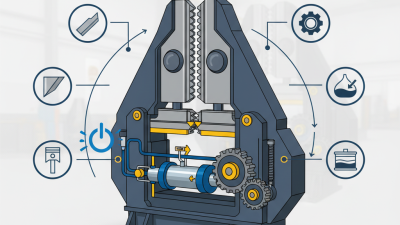
At the core of the Electromagnetic Lifter is a powerful electromagnet. When electricity flows through the coil, it creates a magnetic field. This magnetic field attracts ferrous materials, allowing the lifter to securely grip metal items. The design is relatively simple but highly effective. However, it does pose challenges. For instance, the lifter requires a power source to operate. If the power cuts off, the magnetic force is lost, potentially leading to accidents.
Using an Electromagnetic Lifter efficiently requires careful consideration. Operators must be trained and aware of safety protocols. While the mechanism is robust, it is crucial to recognize its limitations. Analyzing its weaknesses can lead to improvements in safety and functionality. Overall, the Electromagnetic Lifter illustrates the blend of science and practical application in our daily lives.
What is an Electromagnetic Lifter: A Comprehensive Definition
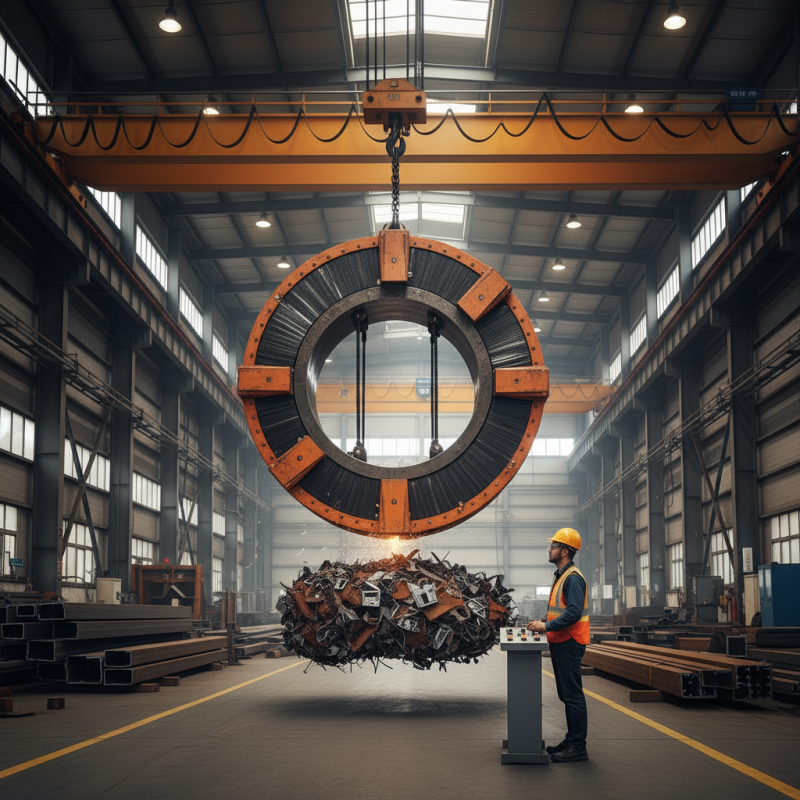
An electromagnetic lifter is a device that uses magnetism to lift heavy objects. It operates by generating a magnetic field through electromagnets. When activated, these electromagnets create a strong force, allowing the device to attach to ferromagnetic materials. This mechanism is essential in various industries, including construction and manufacturing.
Tips: Ensure the surface of the material is clean. Dirt can reduce lifting efficiency significantly.
Electromagnetic lifters are versatile. They can be used to move steel plates, beams, and even scrap metal. Understanding their proper operation is critical. Overloading can lead to equipment failure. Maintaining the lifter enhances its lifespan and performance.
Tips: Regularly inspect the lifting mechanisms. A stitch in time saves nine.
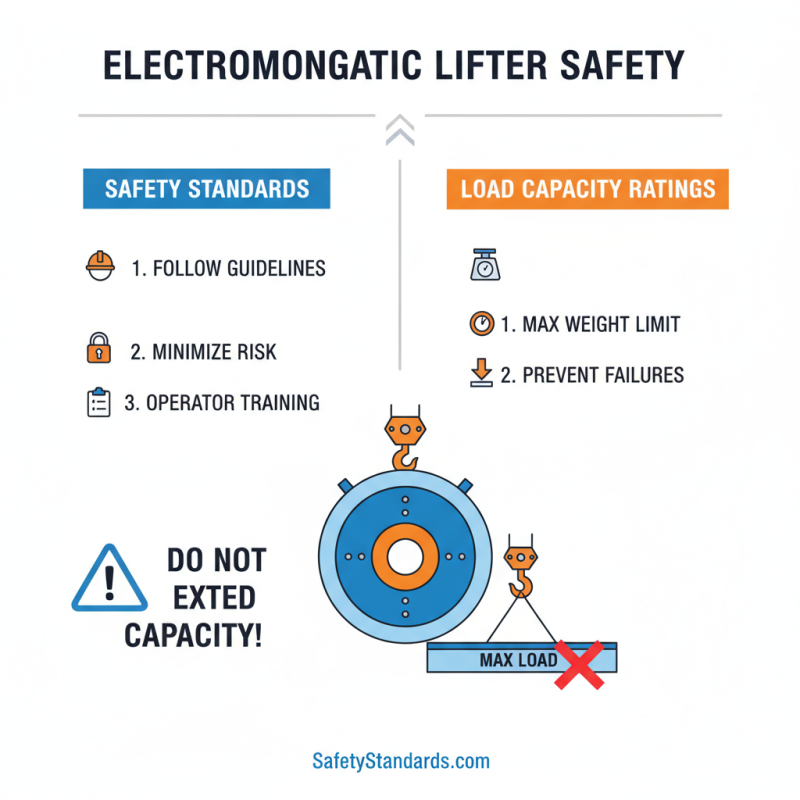
While electromagnetic lifters are effective, they're not infallible. A power failure may cause items to drop unexpectedly. Always have safety protocols in place. Training operators thoroughly can mitigate risks and prevent accidents. Understanding both benefits and limitations is essential for safe usage.
The Working Principle Behind Electromagnetic Lifters and Electromagnetism
Electromagnetic lifters are fascinating devices that utilize the principles of electromagnetism. These lifters can lift heavy materials through magnetic force. The core component is an electromagnet, which creates a magnetic field when electric current flows through it. This magnetic field interacts with ferromagnetic materials, allowing the lifter to hoist objects effortlessly.
The working principle relies on creating and controlling magnetism. When electricity passes through the coils of wire, it generates a magnetic field. The strength of this field is adjustable, providing flexibility in lifting different weights. Once the current is switched off, the magnetic field disappears, releasing the object. Despite their effectiveness, electromagnetic lifters are not without flaws. For instance, power interruptions can lead to loss of grip, which raises safety concerns. Regular assessments of both equipment and electrical connections can help improve reliability.
In industry, these lifters are valuable tools. They reduce the need for manual handling, saving time and effort. However, users must remain cautious with their application. Overloading an electromagnet can cause failure. Understanding the limits of electromagnetic lifters promotes safer operation. As technology advances, keeping up with best practices becomes essential for maximizing both productivity and safety.
Key Components of Electromagnetic Lifters: Coils, Cores, and Power Supplies
Electromagnetic lifters rely on three key components: coils, cores, and power supplies. Coils are essential for generating electromagnetic fields. When electricity flows through these coils, they create a magnetic field capable of lifting heavy loads. The strength of this magnetic field depends on the coil's design and the current supplied.
Cores play a critical role in enhancing the performance of the coils. Typically made of ferromagnetic materials, cores guide the magnetic field and increase its strength. This focus on amplification helps lift even larger objects. However, the design of the core must be appropriate. An ill-fitted core could result in energy loss or inefficiency.
Power supplies provide the needed electrical energy for the coils. They must deliver a stable and adequate voltage. If the power supply fluctuates, it can hinder the lifter's functionality. Moreover, the selection of the right power supply is crucial to ensure safety and performance. Overall, while electromagnetic lifters are effective, careful attention to their components can prevent common operational issues.
Electromagnetic Lifter Performance Analysis
This chart illustrates the key performance metrics of electromagnetic lifters, including coil resistance, core material strength, power supply voltage, and maximum load capacity. These parameters are essential in understanding how effectively an electromagnetic lifter can operate in various industrial applications.
Applications of Electromagnetic Lifters in Industry and Technology
Electromagnetic lifters play a crucial role in various industrial applications. These devices use magnetic fields to lift heavy metallic objects effortlessly. They are often employed in steel mills, manufacturing plants, and construction sites. Their ability to handle large weights with precision boosts operational efficiency.
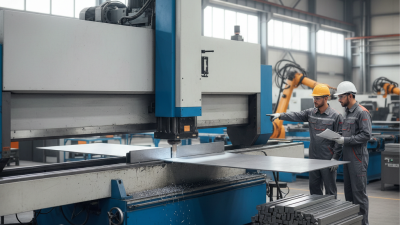
In technological sectors, electromagnetic lifters enhance automation. These lifters are integrated into robotic systems, allowing for faster assembly lines. They can lift different shapes and sizes of materials, creating flexibility in production. The reliance on manual labor decreases, reducing the risk of injuries. Yet, improper use may lead to accidents, highlighting the need for strict safety protocols.
Electromagnetic lifters are also beneficial in recycling industries. They effectively separate ferrous metals from other waste materials. This process improves recycling rates and promotes sustainability. However, their dependence on a constant power supply poses challenges. Overall, while these lifters offer significant advantages, their operation requires careful oversight and skillful handling.