Leave Your Message

How to Choose an Iron Scrap Pressing Machine?

Choosing an Iron Scrap Pressing Machine is not simply a matter of selecting the largest model. The right choice begins with your actual scrap stream. Light-gauge sheet, stamping offcuts, rusty components, and mixed steel behave differently inside a pressing chamber. A machine that handles clean factory offcuts may struggle with oily, tangled, or oversized pieces. That difference becomes visible quickly: uneven bales, jammed feeders, excessive noise, and rising maintenance costs.

Joe Pickard, a recognized scrap-market economist and former ISRI chief economist, has stated, “Scrap is a commodity, and its value depends on quality, consistency, and market demand.” This principle applies directly to machine selection. A reliable Iron Scrap Pressing Machine should produce dense, uniform bales that meet your buyer’s requirements. Check the chamber size, pressing force, motor power, cycle time, bale weight, and wire-tying method. Confirm whether the supplier can support installation, spare parts, and operator training.

Do not ignore the working environment. Measure the floor area, loading height, electrical supply, and crane access. Moisture and dirt may shorten hydraulic component life. Real output can also fall below the catalogue figure. That is easy to overlook.

Ask for a material trial before purchasing. Feed your own scrap, not a carefully prepared sample. Watch the bale shape, cycle stability, oil temperature, and recovery time after overloads. The cheapest machine may appear attractive, but downtime can quietly erase the saving. Some decisions will still involve compromise. A careful buyer records those compromises and reviews them honestly.
How to Choose an Iron Scrap Pressing Machine?

What Is an Iron Scrap Pressing Machine?

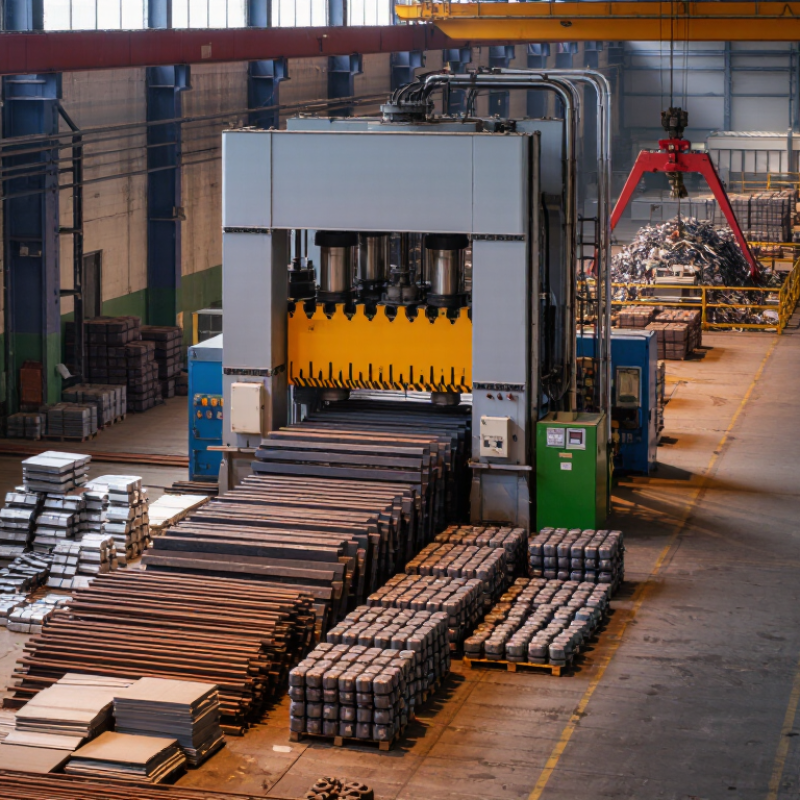
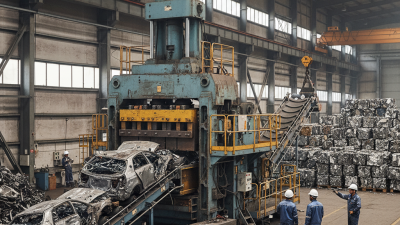
An iron scrap pressing machine, also called a metal baler, compresses loose iron waste into dense, rectangular bundles. Hydraulic cylinders apply controlled pressure through a reinforced chamber. The result is easier storage, safer handling, and more efficient transport to steel recycling facilities. It is not simply a larger compactor. Chamber size, pressing force, feeding method, and bale density determine its practical value.

The World Steel Association reported approximately 1.89 billion tonnes of crude steel production in 2023. The Bureau of International Recycling estimates that more than 600 million tonnes of ferrous scrap are recycled globally each year. These figures explain why reliable scrap preparation matters. A suitable machine should accept the actual material mix, including cut sheets, wire, castings, and production offcuts. Thin sheet behaves differently from heavy iron parts.

Capacity claims need careful checking. I would not judge a machine only by tonnes per hour. Moisture, irregular shapes, loading time, and operator experience can reduce real output. This is where my earlier assumptions can fail. Check motor power, cycle time, chamber wear, bale dimensions, and maintenance access. A clear pressure gauge helps operators avoid overloading. Safety interlocks and guarded feeding zones matter too. The best choice is often the machine that produces consistent bales, not the one with the largest advertised force.
How Iron Scrap Pressing Machines Work

How Iron Scrap Pressing Machines Work

An iron scrap pressing machine turns loose metal into dense, manageable bales. Operators load prepared scrap into a compression chamber. A hydraulic cylinder then pushes a heavy ram through the chamber. Pressure removes empty spaces between sheets, pipes, and cut pieces. When the target density is reached, the machine holds the material briefly. This helps the bale keep its shape after release.

The process depends on more than hydraulic pressure. Chamber size, ram force, feeding method, and cycle time affect daily output. A machine for thin steel sheets may not suit bulky cast pieces. Oversized or mixed scrap can create uneven bales and increase wear. In practical use, I check the chamber opening and bale dimensions before comparing motor power. The wrong match wastes energy. It also slows loading.

Tips: Keep scrap within the recommended size range. Remove sealed containers and inspect loads for trapped pressure. Follow the manufacturer’s guarding and lockout procedures during maintenance. Check hydraulic hoses, oil levels, ram alignment, and chamber wear regularly. A clean work area improves feeding accuracy. It sounds minor. It is not. Operators should record cycle times and bale weights, then adjust loading habits when results vary. No machine performs perfectly with careless preparation, and that detail is easy to underestimate.

How to Choose an Iron Scrap Pressing Machine? - How Iron Scrap Pressing Machines Work

Machine type How it works Typical iron scrap Output Best suited to Key selection checks
Vertical scrap baler A hydraulic ram compresses material downward inside a chamber. The bale is tied or secured and then ejected, depending on the machine design. Small, manageable pieces of sheet metal, light-gauge steel offcuts, and similar loose scrap. Compact rectangular bales; bale size and density depend on the chamber, material, and press force. Sites with moderate scrap volumes and limited floor space. Loading method, chamber dimensions, bale-ejection method, available floor space, and whether the scrap fits the feed opening.
Horizontal scrap baler Hydraulic rams compress scrap horizontally in a chamber. Many configurations support continuous or conveyor-assisted feeding; tying and discharge arrangements vary. Loose steel offcuts, sheet scrap, and other feedstock that can be loaded safely into the chamber. Bales shaped by the chamber and discharge system; dimensions are model-specific. Recycling operations handling regular or larger volumes of loose scrap. Required throughput, feed method, bale handling, cycle time, motor and hydraulic requirements, and downstream transport limits.
Scrap shear-baler A press compacts scrap, and an integrated shear cuts suitable material to a target length. The sequence and configuration depend on the machine. Bulky or long ferrous scrap that is suitable for the machine’s feed box and cutting system. Compacted bundles or cut pieces, depending on operating mode and machine setup. Scrap yards that need both volume reduction and size reduction. Maximum feed dimensions, material thickness and strength, cutting capacity, required output length, and safe loading arrangements.
Metal briquetting press A hydraulic or mechanical press compacts small metal particles in a die to form dense briquettes. Some systems include equipment to separate or manage cutting fluids. Short iron or steel turnings and other fine, compactable metal chips; long tangled swarf may need processing first. Cylindrical or other die-shaped briquettes; shape and dimensions depend on the press and tooling. Machine shops and metalworking facilities producing regular volumes of chips or turnings. Chip size and shape, oil or coolant content, required briquette form, feed preparation, and fluid-handling needs.
Scrap preparation press A hydraulic ram compresses scrap in a box or chamber. The machine may form a bundle without cutting, depending on its design. Selected bulky ferrous scrap that can be loaded and compressed within the chamber’s limits. A compacted bundle for handling or further processing; it is not necessarily a uniformly sized bale. Facilities seeking to reduce the volume of compatible scrap before storage or transport. Scrap shape, chamber opening, loading equipment, bundle removal, and whether the receiving facility accepts the resulting form.
General-purpose hydraulic baler One or more hydraulic cylinders apply force to compress material in a chamber. The operator loads, cycles, and discharges the material according to the machine’s controls. Only scrap types and sizes approved for the specific machine; mixed or contaminated loads need careful evaluation. A compacted bale or bundle determined by the chamber and ejection design. Operations needing a straightforward press for a defined, compatible scrap stream. Press force, chamber size, power supply, operating cycle, guarding, maintenance access, and service requirements.

Selection note: Confirm the machine’s rated capacity and operating limits with its technical documentation. Scrap condition, piece size, loading method, chamber design, and required output form all affect performance; never feed sealed containers, pressurized items, or material prohibited by the manufacturer.

Key Factors for Choosing the Right Machine

How to Choose an Iron Scrap Pressing Machine?

Choosing an iron scrap pressing machine starts with the material, not the advertised pressing force. Measure the longest pieces, average thickness, moisture, and contamination in your scrap stream. A chamber that is too small causes repeated loading, while an oversized chamber can waste energy and floor space. Think about daily volume, peak workload, and the bale dimensions your buyers accept.

Hydraulic force matters, but it is only one part of reliable performance. Check motor power, pressing cycle time, oil cooling, cylinder design, and automatic control functions. In a busy yard, even a short delay per cycle can create hours of lost production each week. Ask for tested output data, not optimistic estimates. Watch a full demonstration if possible. The machine should produce dense, stable bales without excessive loose edges.

Safety and maintenance deserve equal attention. Look for guarded moving parts, emergency stops, clear operating instructions, and accessible inspection points. Ask how often filters, seals, and hydraulic oil require service. Local technical support can matter more than a slightly lower purchase price. Calculate electricity, labor, wear parts, and downtime over several years.

I would still leave room for doubt: actual scrap varies, and factory figures may not match a dusty, uneven yard. A short trial with your own material can reveal problems that brochures hide.

Small details matter.

How to Compare Capacity, Power, and Bale Size

How to Choose an Iron Scrap Pressing Machine?
How to Compare Capacity, Power, and Bale Size

Start with the scrap you actually handle: thin offcuts, turnings, or bulky plate need different feed openings and compression force. Record tonnes per shift, peak-hour volumes, and the longest pieces. Rated capacity is not the same as sustained output; loading interruptions and material shape affect real throughput. Leave room for variation. Your figures may be imperfect, but a week of weighing loads is better than a guess.

Compare motor power alongside cycle time and tonnes per hour, not as a standalone number. The International Energy Agency’s 2020 Iron and Steel Technology Roadmap estimates direct emissions at about 2.3 tonnes of CO₂ per tonne of steel for the blast-furnace route, versus about 0.7 tonnes for scrap-based electric-arc production. Those figures describe steelmaking, not press performance, but they show why reliable scrap processing matters. Ask suppliers for output tests using scrap similar to yours, and check power demand during continuous operation.

Bale size must suit your storage bays, forklift capacity, and downstream furnace or transport requirements. Measure doorways and pallet spaces before choosing a chamber; a dense bale that cannot be handled safely is a poor fit. Smaller bales can be easier to move, while larger ones may reduce handling trips. Verify bale weight and dimensions with your actual material. It is easy to overlook this detail. Keep some flexibility: scrap mixes change, and the neatest specification may not match a messy shift.

Safety, Maintenance, and Operating Cost Considerations

How to Choose an Iron Scrap Pressing Machine?
Safety, Maintenance, and Operating Cost Considerations

Treat guarding and service access as purchase criteria, not optional extras. Ask suppliers to demonstrate emergency stops, interlocks, and safe jam-clearing procedures. OSHA’s machine-guarding and lockout/tagout guidance highlights the need to control hazardous energy during maintenance. The risk is not abstract: the U.S. Bureau of Labor Statistics reported 2.6 million nonfatal workplace injury and illness cases in private industry in 2023. That figure covers many industries, not scrap presses alone, but it reinforces the value of practical safeguards. Check whether operators can inspect the chamber without reaching into hazardous areas. Small details matter.

Maintenance shapes the real operating cost. The U.S. Department of Energy’s Operations & Maintenance Best Practices report estimates predictive maintenance can reduce costs by 8–12% compared with preventive maintenance, and 25–30% compared with reactive maintenance. These are reported ranges, not guarantees for every press. Compare how easily technicians can reach hydraulic filters, hoses, and wear plates. Ask for routine service intervals and replacement-part costs in writing. Track energy use per operating hour and downtime during a trial, if possible. A low purchase price can look attractive, yet one difficult repair may change the calculation. And estimates can be wrong. Recheck them against your own scrap mix and shift pattern.

How to Choose an Iron Scrap Pressing Machine?

Safety, maintenance, and operating-cost planning benchmark

How to read this chart: The base-case estimate is shown in USD per tonne of processed iron scrap. It uses transparent planning assumptions: 20 kWh of electricity per tonne at $0.15/kWh, $12 per tonne for operator time, $6 per tonne for routine maintenance, and $4 per tonne as a downtime reserve. Actual costs depend on scrap type, throughput, local energy prices, staffing, and service conditions.
Safety first
Confirm guarding, interlocked access doors, emergency-stop circuits, safe bale discharge, and clear operating procedures before comparing price.
Maintenance focus
Prefer accessible lubrication points, replaceable wear parts, hydraulic leak detection, service documentation, and easy inspection access.
Operating cost
Compare energy use per tonne, required labor, maintenance intervals, expected downtime, and total throughput rather than purchase price alone.