How to Choose the Right Car Baler Machine for Your Recycling Needs?
Choosing the right Car Baler Machine is crucial for effective recycling. The automotive recycling industry is growing rapidly. In fact, it was valued at over $60 billion in 2021 and is projected to expand significantly in the coming years. This growth highlights the need for efficient recycling methods, particularly in processing end-of-life vehicles.
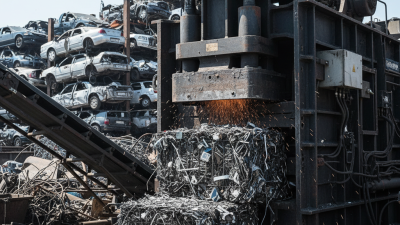
A Car Baler Machine plays a vital role in this process. It compresses vehicles into compact bales for easier transport and storage. This not only saves space but also reduces overall operational costs. However, selecting the suitable machine can be challenging. Factors such as processing capacity, size, and operational efficiency should be considered.
Many operators struggle with these choices. They often overlook the importance of long-term reliability in machinery. The wrong decision can lead to higher maintenance costs or inefficiencies in recycling workflows. In light of this, understanding the specific needs of your operation is essential, ensuring the selected Car Baler Machine aligns with your business goals.

Understanding Car Baler Machines: Types and Features Explained
When selecting a car baler machine, understanding the types and features is crucial. Different machines serve varying recycling needs. Hydraulic balers compact materials using hydraulic power, making them ideal for dense loads. These machines can handle various metals, ensuring efficient processing. Mechanical balers, on the other hand, rely on electric motors. They are generally more versatile but might lack the sheer force of hydraulic models.
Another key aspect is size and capacity. If you process large volumes, a bigger machine is necessary. Smaller units may suffice for modest operations but will require more time. Pay attention to bale size, too. The dimensions affect transportation and storage costs. A machine that produces smaller bales may seem easier to handle but could lead to inefficiencies down the line.
Consider the features that enhance usability. Automatic systems can reduce labor costs but might require advanced training. Manual machines are simpler but labor-intensive. Reflections on your specific needs will guide your choice. Think about maintenance requirements, as some machines need frequent upkeep, while others are more user-friendly.
Assessing Your Recycling Needs: Key Considerations for Selection
Choosing the right car baler machine starts with understanding specific recycling needs. Your needs can vary greatly based on the type and volume of materials you process. Reports show that recycling rates for vehicles have reached only about 80% in certain regions. This suggests a potential for improvement. Knowing the volume and type of materials can guide your machine selection.
Consider the expected daily output. If processing over 50 tons each week, a high-capacity baler is essential. Machines that can handle a variety of materials give flexibility. A study by the Environmental Protection Agency indicates that over 15 million vehicles reach end of life each year. This feeds into the demand for efficient recycling solutions.
It is also crucial to examine space requirements. Some balers require a larger footprint than others. A compact option might fit best in limited spaces. Additionally, consider energy efficiency. Reports show that machinery accounts for significant energy consumption in recycling processes. Balers that optimize energy use can offer long-term savings and sustainable operations. It’s necessary to weigh all factors carefully before making a decision.
Evaluating Efficiency: Performance Metrics of Car Baler Machines
When choosing a car baler machine, assessing its efficiency is vital. Performance metrics provide insight into how well the machine operates. Key factors include compression force, cycle time, and output size. These metrics determine how quickly and effectively the machine processes vehicles. High compression force means more compact bales, which saves storage space and transportation costs.
Cycle time also plays a crucial role. A shorter cycle time allows for more throughput in a given period. However, one must consider the balance between speed and quality. If a machine operates too quickly, it may compromise the integrity of the bales. Moreover, output size matters as it affects how the bales fit into transport vehicles or recycling systems. The ideal machine should produce a size that maximizes efficiency throughout the entire process.
Reflection on these metrics can help identify areas for improvement. Some users might choose machines that excel in one area while underperforming in another. This can lead to inefficiencies down the line. Regular evaluation of these performance metrics helps ensure that the selected baler machine aligns with your recycling goals. Investing in the right technology can significantly enhance your recycling processes.
Efficiency Comparison of Car Baler Machines
Cost Analysis: Budgeting for Your Car Baler Machine Purchase
When budgeting for a car baler machine, consider various costs involved. A report by the Institute of Scrap Recycling Industries (ISRI) noted that the average price for a new car baler ranges from $100,000 to $300,000. This price can vary based on capacity and technology. Lower-cost models may lack efficiency and features that justify higher investment.
Maintenance is another critical cost area. Regular servicing and parts replacement can add up. The ISRI reported that operational costs could reach up to 10% of the machine’s purchase price annually. So, if you invest $150,000 in a baler, anticipate yearly costs around $15,000. Also, training staff can involve additional expenses. You may need specialized training programs to ensure safe and effective operation.
Don’t overlook the potential costs of compliance with environmental regulations. Failing to adhere to local laws can lead to fines or downtime. Research your local regulations as they may impact your overall costs. Sourcing used machines may offer savings, but be wary of hidden issues that could lead to unplanned expenses.
Maintenance and Support: Ensuring Long-Term Functionality and Reliability
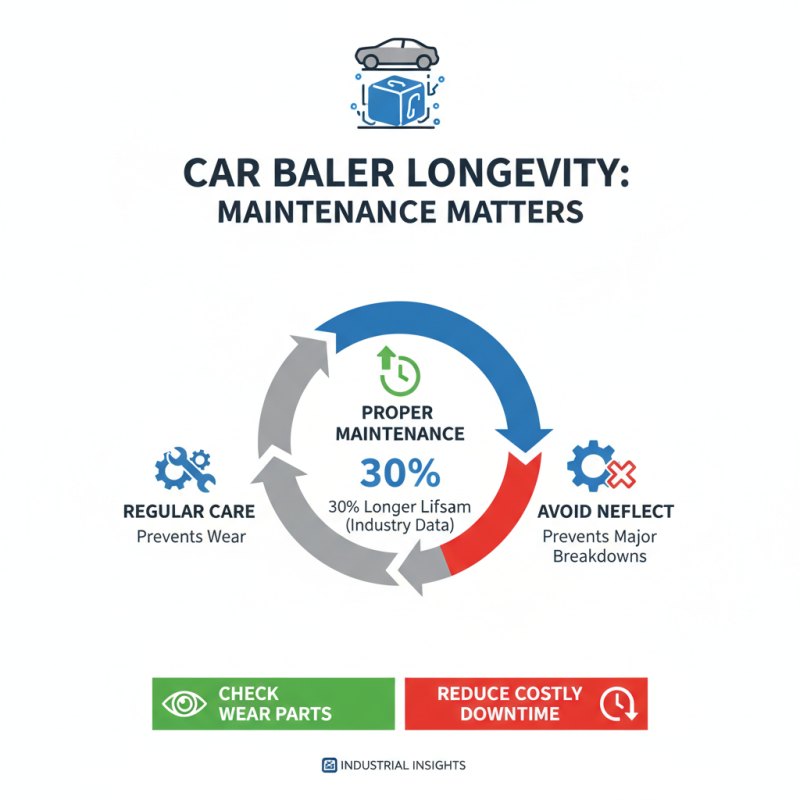
When selecting a car baler machine, maintenance and support are crucial for longevity. Regular care prevents mechanical wear. According to industry data, proper maintenance can extend a baler's life by up to 30%. Minor repairs, if neglected, can lead to major breakdowns. This could result in costly downtime. Keeping an eye on wear parts is essential.
Tips: Schedule routine inspections. Monitor hydraulic fluid levels. Replace worn hoses promptly.
Reliable support services also play a vital role. Choosing a machine with strong manufacturer support ensures quick access to repairs. Without adequate support, complex issues can linger, impacting efficiency. Research shows that effective customer service can enhance operational uptime by more than 15%. Ask about the warranty and service options before purchasing.
Tips: Maintain a log of service history. Communicate openly with support teams. Plan for unexpected repairs. Be proactive rather than reactive.