How to Choose the Right Alligator Shear Parts for Your Machinery?
Choosing the right Alligator Shear Parts for your machinery is crucial for operational efficiency. Recent industry studies indicate that 30% of equipment downtime is linked to improper part selection. This can lead to safety concerns and increased operational costs. As noted by industry expert Alan Carter, “Selecting the right Alligator Shear Parts can significantly enhance both productivity and safety.”
Understanding the specific needs of your machinery is essential. Different models require different components. Overlooking these requirements can result in costly errors. Many businesses have found themselves struggling with poorly suited parts. This not only hampers performance but also raises maintenance costs. Experts recommend investing time in research, as this can translate to long-term benefits.
An effective strategy involves consulting with professionals and manufacturers. Each piece must align with your operational goals. Alligator Shear Parts are designed for precision, but without the right selections, their advantages diminish. Careful evaluation will empower you to make informed choices. Yet, there remains a gap; many operators still underappreciate the impact of these decisions.
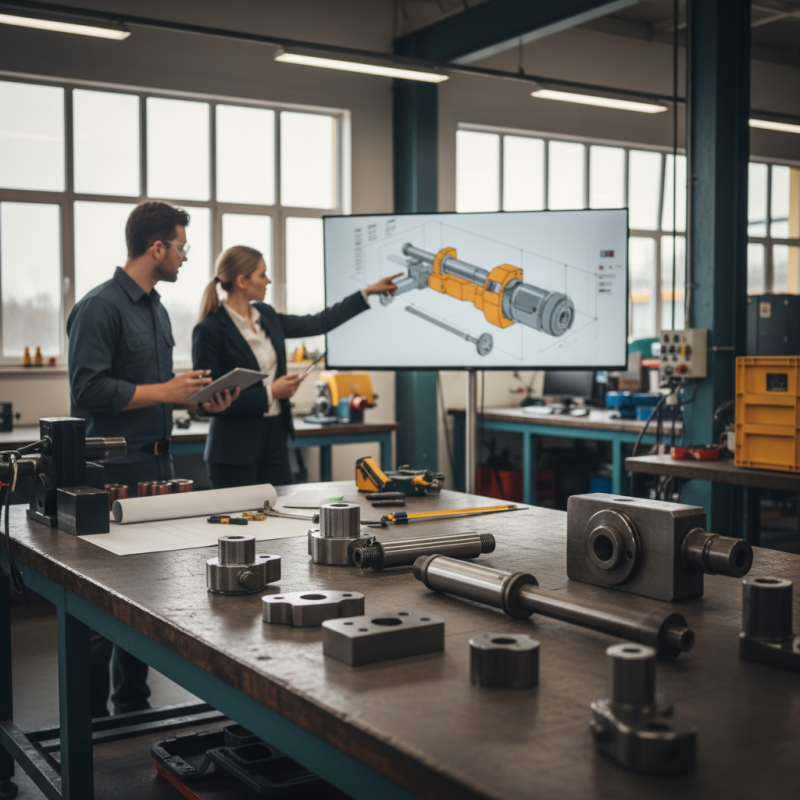
Understanding Alligator Shear Machinery and Its Applications
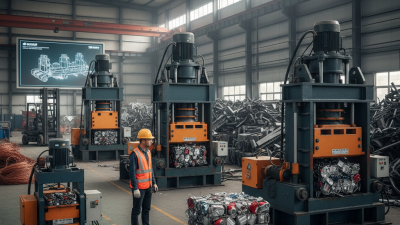
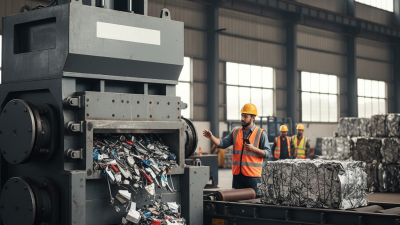
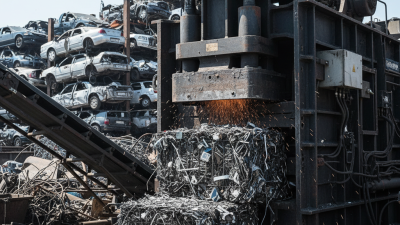
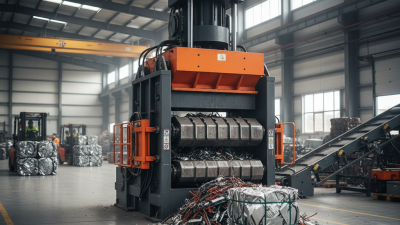
Alligator shear machinery plays a crucial role in various industries. These machines are primarily used for cutting metals, especially scrap steel. According to industry reports, the demand for alligator shears has risen by approximately 15% over the last five years. This increase indicates a growing reliance on efficient metal processing solutions.
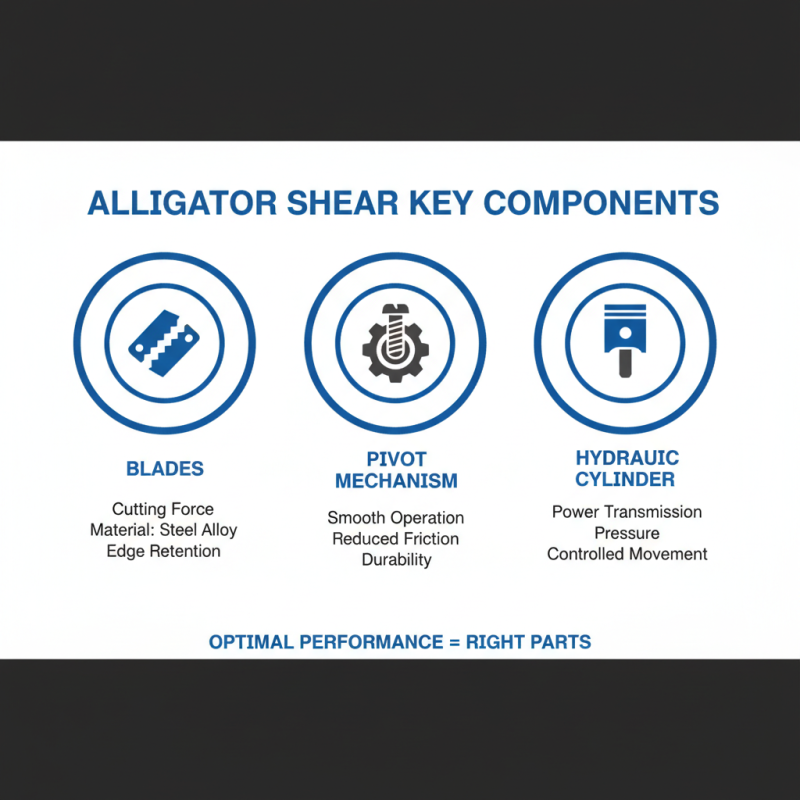
Understanding alligator shears involves knowing their components and applications. These machines are vital in recycling operations and metal fabrication settings. They minimize waste by effectively cutting down large metal pieces. However, operators often face challenges in selecting the proper shear parts. Misalignment or wear and tear can lead to inefficiencies.
Data suggests that a staggering 25% of machinery downtime is due to improper maintenance of shear components. It’s essential to maintain these machines regularly. Failing to replace worn-out blades can compromise performance and safety. Many users overlook this aspect, impacting overall productivity. Thus, careful consideration of alligator shear parts is key to ensuring optimal operation.
Factors Influencing Alligator Shear Performance and Durability
When selecting alligator shear parts, several factors impact performance and durability. The materials used in manufacturing shears greatly influence their longevity. High-quality steel can withstand intense pressure and resist wear over time. Choosing parts made from inferior materials may lead to unexpected failures. This could result in costly downtime.
The design of shear parts plays a crucial role as well. Components that fit well together ensure smoother operation. Misaligned parts can cause damage, leading to inefficiency. Wear patterns can also reveal how effectively parts are performing. Regular inspection of these patterns is important.
Environmental conditions also affect shear performance. Rust and corrosion can reduce metal quality, impacting cuts. It is essential to consider the operating environment when choosing parts. Some users neglect this aspect, leading to premature wear. Regular maintenance and appropriate storage can mitigate these risks. Making informed decisions about alligator shear parts can greatly enhance overall reliability and efficiency.
Material Selection for Alligator Shear Parts: Types and Benefits
Choosing the right material for alligator shear parts is crucial. Different materials offer unique benefits. Steel, for instance, is strong and durable. It withstands high stress and impact. However, not all steel types are equal. Some may rust or degrade faster than others.
Aluminum is a lighter option. It's easier to handle and reduces wear on machinery. Yet, it may not provide the same strength as steel. According to industry data, more than 60% of machinery failures involve material degradation. This highlights the importance of selecting high-quality materials.
Composite materials can be a game-changer. They offer strength while being lightweight. Recently, reports suggest that composites are becoming increasingly popular in the machinery sector. Still, they may come with a higher initial cost. Careful consideration of trade-offs is essential. Balancing cost and performance is often complex.
Cost-Effectiveness and Maintenance of Alligator Shear Components
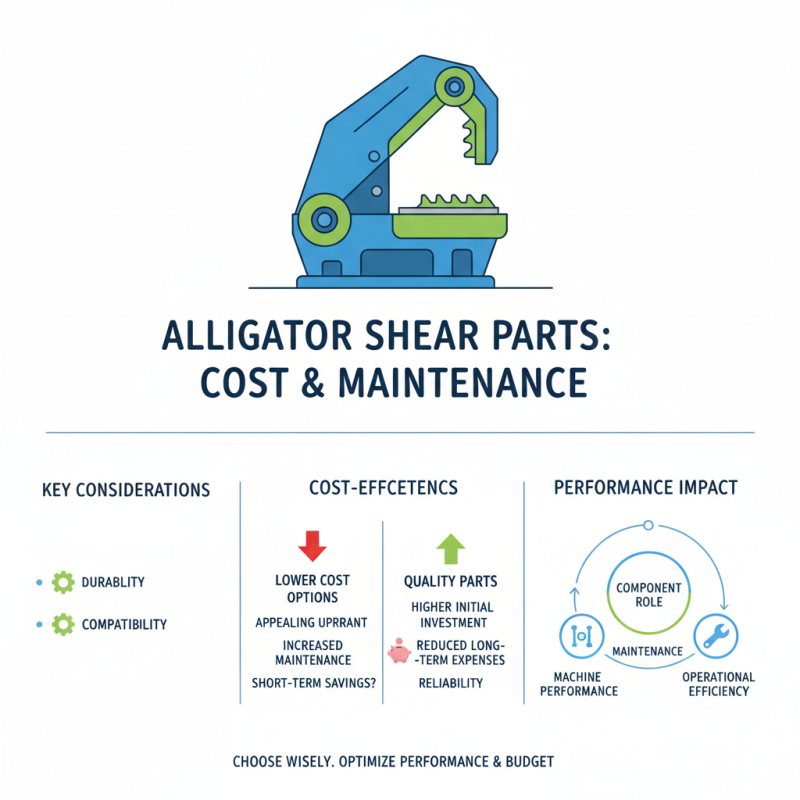
Choosing the right alligator shear parts can significantly impact cost-effectiveness and maintenance. Every component plays a crucial role in the machinery's performance. When selecting parts, consider their durability and compatibility with existing systems. Lower-cost options may seem appealing but can lead to increased maintenance demands. Investing in quality parts might reduce long-term expenses.
Regular maintenance is vital for alligator shear components. Inspections should be frequent to identify wear and tear. Some might overlook this step, believing it unnecessary. However, neglecting maintenance can result in larger breakdowns. A small issue left unchecked may escalate into costly repairs. It's essential to track wear on blades and hydraulic parts closely.
Remember, not all parts are created equal. Quality varies, affecting both performance and lifespan. While it can be tempting to choose cheaper options, think about the long-term implications. Frequent replacements can offset initial savings. Prioritize parts that promise reliability. Consider consulting with experts to find the best options for your needs. Don't rush the decision-making process; every detail matters in achieving peak efficiency.