How to Choose the Right Alligator Shear for Your Metal Cutting Needs?
Choosing the right Alligator Shear is crucial for your metal cutting needs. These machines come in various sizes and capabilities. Selecting the best one can feel overwhelming.
Alligator Shears operate with powerful blades that cut through thick metal. They can be used in construction, manufacturing, and recycling. Each application requires specific features. For instance, the cutting capacity, throat depth, and speed are important factors.
Consider your material types and thickness. A shear that is too weak will struggle. A stronger shear may lead to unnecessary costs. Balancing power and efficiency is key. Think about your workspace as well. A compact model might be more practical in tight areas. Choose wisely to maximize productivity.
Understanding Alligator Shears and Their Applications
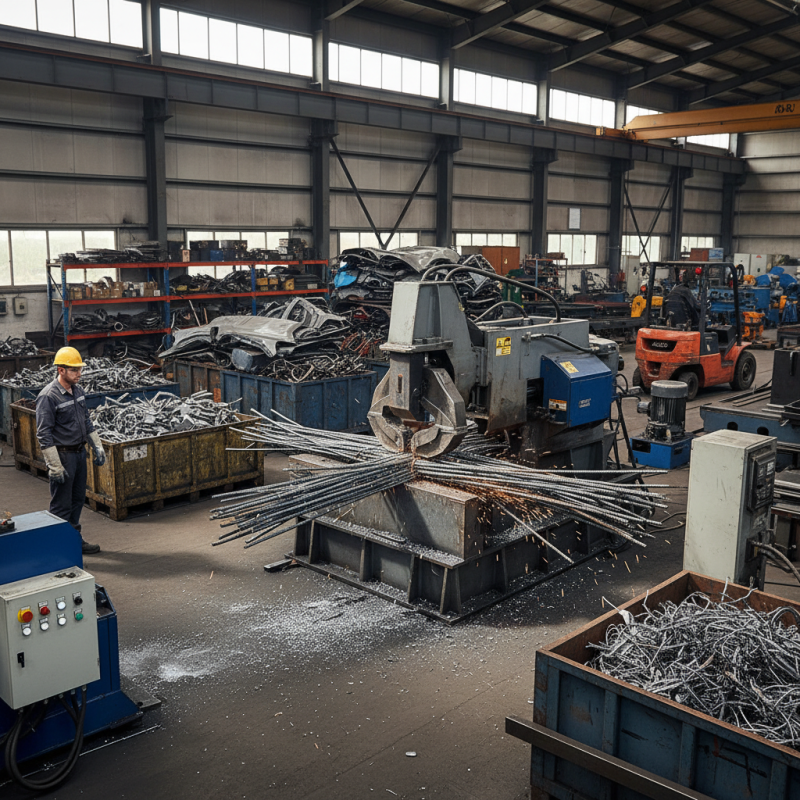
Alligator shears are essential tools for metal cutting. They are commonly used in recycling facilities, metal fabrication shops, and construction sites. Understanding how these shears work helps in making informed choices. These machines provide efficient cutting capabilities for heavy materials like steel and aluminum. Their robust design allows for sharp, clean cuts with minimal effort.
One key application is scrap metal processing. These shears quickly cut through large metal sections, making recycling operations faster. However, users often face challenges, like choosing the right capacity. A shear that’s too small may struggle, while one that’s too large could be inefficient. Operators must reflect on their specific needs to find the right fit.
Safety is also a vital consideration. Proper training is essential to handle alligator shears effectively. Misuse can lead to accidents. Regular maintenance is required to keep the machinery in optimal condition. Even with best practices, issues can arise, prompting reflection and adjustment. Finding the right alligator shear goes beyond just purchasing; it involves understanding its application in real-world settings.
Key Factors to Consider When Choosing Alligator Shears
Choosing the right alligator shear for your metal cutting needs requires careful consideration of several key factors. The capacity of the shear is crucial. Depending on your requirements, you might need a machine that handles a variety of materials, from mild steel to aluminum. Reports indicate that most industrial needs align with shears having a cutting capacity of at least 3/8 inch of steel. This ensures versatility and efficiency in different projects.
Tip: Always assess your material thickness. It’s vital to choose a shear that exceeds the maximum thickness you expect to cut. Failure to do so might lead to equipment strain and reduce its lifespan.
Another factor is the blade quality. High carbon steel blades often provide superior cutting performance. They stay sharp longer and require less frequent replacement. A dull blade can affect the precision and smoothness of cuts. Inconsistent cuts can lead to wasted materials and time. That’s an unnecessary cost for any business.
Tip: Look for features that help maintain blade sharpness. Some shears come with reversible blades, which can extend the tool’s life significantly.
Operator safety cannot be overlooked. Ensure that the shear you select has safety features, such as guards and emergency stops. A machine that is easy to operate and understand will reduce the chances of accidents. Remember, investing in safety is also investing in productivity. It's worth reflecting on how well your equipment choices prioritize worker protection.
Comparing Different Types of Alligator Shears on the Market
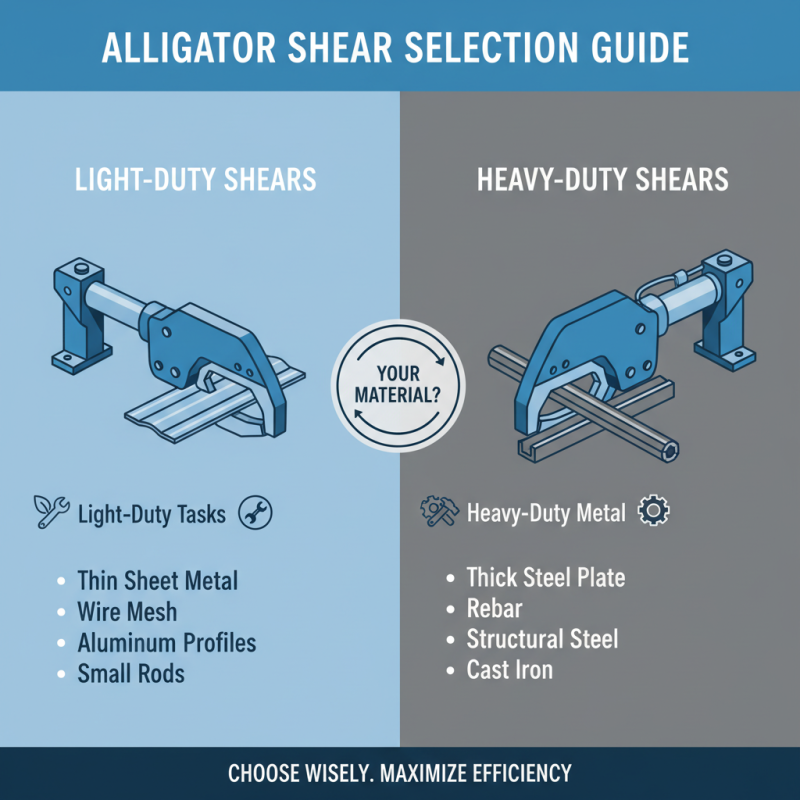
When choosing an alligator shear, understanding the types available is crucial. Various models cater to different materials and thicknesses. Some are designed for light-duty tasks, while others handle heavy-duty metal effectively. Consider what you will cut. Will it be thin sheet metal or thicker steel? Each shear’s capability varies, so precise needs matter.
Tips: Assess the maximum cutting capacity before deciding. If you're cutting tougher metals, select a shear with a higher tonnage. Think carefully about your workspace too. If space is limited, choose a more compact design that still meets your cutting requirements.
The ease of operation is another factor. Some models are manual, while others offer powered options. User-friendly features can make a significant difference in productivity. If the machine is too complex, it might hinder your workflow.
Tips: Test the shear if possible. Comfort and control are essential for safe operation. Lastly, consider the maintenance needs of different shears. Some require more upkeep than others, which could affect long-term use. Always factor in the overall cost of ownership when making a choice.
Maintenance Tips for Maximizing Alligator Shear Performance
Maintaining an alligator shear can significantly enhance its performance. Regular cleaning is essential. Metal shavings and debris can accumulate. This buildup reduces cutting efficiency. Ensure you wipe down the blades after each use. Use a soft cloth to avoid scratching the surface.
Lubrication is another critical aspect. Apply a suitable lubricant to pivot points and joints. This prevents rust and promotes smoother operation. Avoid over-lubricating; it can attract more dust and grime. Check the hydraulic fluid levels often. Low levels can lead to poor cutting performance.
Inspect the blades regularly for wear and tear. Dull blades can create jagged edges on metal. Replace them when necessary to maintain clean cuts. Misalignment can also occur. Monitor the shear for any signs of misalignment during operation. Addressing these issues prevents further complications. Remember, neglecting maintenance can lead to costly repairs and downtime.
Alligator Shear Performance Comparison
Common Mistakes to Avoid When Selecting Alligator Shears
Choosing the right alligator shear can be tricky. Many people overlook the importance of blade size. Using the wrong size can lead to inefficient cuts. It might seem minor, but it can affect overall productivity. Misjudging the material thickness is another common mistake. Always check specifications to match the shear with your needs.
Another frequent error is disregarding safety features. Some shears lack proper guards. This can lead to accidents, especially in busy work environments. Comfort is also vital. Equipment that feels awkward can lead to strain during use. Don't ignore user reviews; they often highlight overlooked issues.
Ignoring maintenance requirements is problematic. Alligator shears need regular care to perform well. Skipping this can shorten their lifespan. It’s easy to assume that once you purchase a tool, it’s set. However, this mindset can lead to regret. Reflect on your choices and prioritize quality over cost.
How to Choose the Right Alligator Shear for Your Metal Cutting Needs? - Common Mistakes to Avoid When Selecting Alligator Shears
| Specification |
Description |
Common Mistakes |
| Cutting Capacity |
The maximum thickness of metal the shear can cut. |
Choosing a shear with insufficient cutting capacity for your material. |
| Blade Material |
Type of steel used for the blades, affecting durability and sharpness. |
Ignoring blade quality, leading to faster wear and less clean cuts. |
| Power Source |
Electric or hydraulic options, impacting speed and efficiency. |
Not considering the power source available in your workshop. |
| Size & Portability |
Dimensions and weight, which affect ease of use and storage. |
Overlooking space requirements, causing difficulties in operation. |
| Safety Features |
Protective features like guards and automatic shut off. |
Neglecting to check safety features, risking operator safety. |
| Maintenance Requirements |
Frequency and type of maintenance needed to ensure proper function. |
Not understanding maintenance needs, leading to decreased lifespan. |