2026 How to Choose an Iron Scrap Pressing Machine for Efficient Recycling?
In the ever-evolving recycling industry, choosing the right "Iron Scrap Pressing Machine" is crucial. John Smith, a renowned expert in the field, emphasizes, “Efficiency starts with selecting the right machinery.” The right equipment can enhance productivity and reduce waste, making the recycling process smoother.
Selecting an Iron Scrap Pressing Machine involves careful consideration of various factors. Size, capacity, and power consumption are pivotal. A machine that is too small may lead to frequent breakdowns. Additionally, efficiency can vary between models. It's essential to evaluate their output, especially in larger operations.
However, there are challenges in finding the perfect machine. Cost is always a concern. Cheaper options may lack durability, impacting long-term performance. One must also think about maintenance needs. An effective machine requires regular upkeep. Balancing these factors can be daunting, but the right choice ultimately supports sustainable practices in recycling.
Understanding the Importance of Iron Scrap Pressing Machines
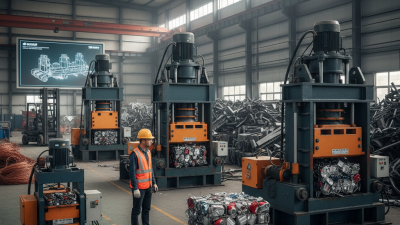
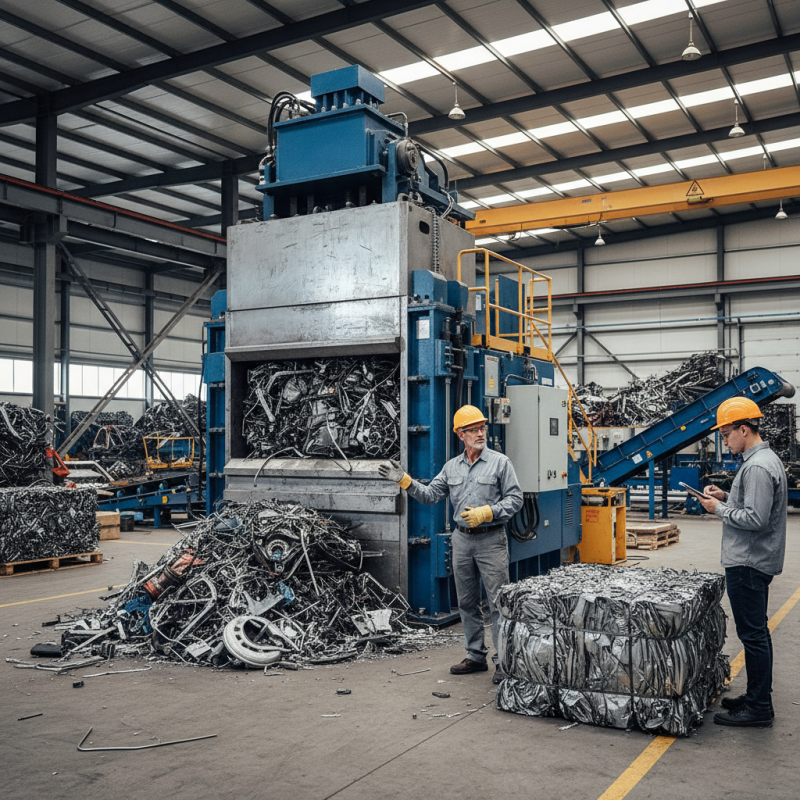
Iron scrap pressing machines play a crucial role in recycling efforts. They help manage scrap metal effectively. By compressing scrap, they create manageable bales. This increases transport efficiency. The resulting compact bales are easier to handle. They take up less space in recycling facilities.
Choosing the right machine involves understanding its efficiency. Various designs and capacities exist. Some machines may not meet all recycling needs. It's essential to assess the volume of scrap. Consider the types of metal you will process. Ensure that the machine can handle the specific scrap you work with.
Additionally, think about maintenance and operational costs. Some machines require more frequent upkeep. Others may have higher energy demands. These factors can significantly impact long-term expenses. Reflect on how often the machine will be used. Overall, a thoughtful choice leads to better recycling outcomes.
Evaluating the Different Types of Iron Scrap Pressing Machines
When evaluating iron scrap pressing machines, understanding the types available is crucial for efficient recycling. Two primary types are hydraulic and mechanical presses. Hydraulic presses handle thicker materials effectively. They apply slow, steady pressure, reducing the risk of damaging the scrap. Mechanical presses, on the other hand, are faster and better suited for lighter materials. Each has unique strengths that depend on the recycling requirements.
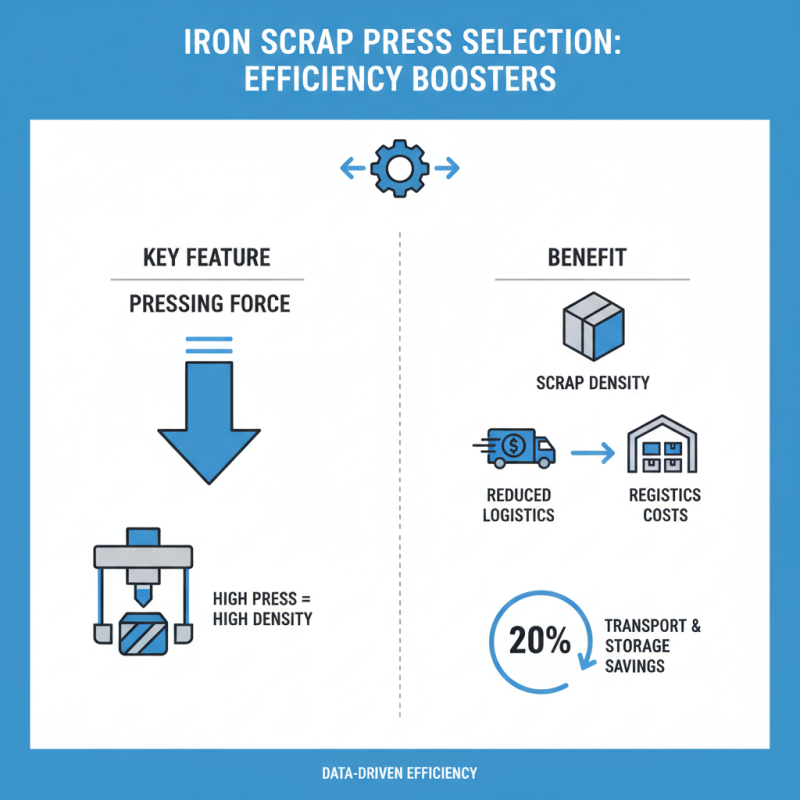
Data indicates that investing in a high-quality iron scrap press can significantly enhance efficiency. According to a report by the Bureau of International Recycling, the recycling rate for metals can reach up to 90% with proper machinery. This is a notable increase compared to traditional methods. Operators must assess their specific needs and the types of iron they handle regularly.
Tips: Prioritize machines designed for longevity. Check for energy efficiency ratings. Understand the maintenance requirements. Always consider the capacity to ensure it meets your volume demands. Not all machines will suit every operation, which can lead to inefficiencies. It's essential to reflect on your production goals when making this choice.
2026 How to Choose an Iron Scrap Pressing Machine for Efficient Recycling?
| Machine Type |
Pressing Capacity (ton/hour) |
Power Consumption (kW) |
Weight (kg) |
Dimensions (L x W x H) |
Price (USD) |
| Hydraulic Press |
15 |
20 |
2000 |
300 x 150 x 200 cm |
15,000 |
| Mechanical Press |
10 |
15 |
1500 |
250 x 120 x 180 cm |
10,000 |
| Electric Press |
12 |
18 |
1800 |
280 x 140 x 190 cm |
12,500 |
| Pneumatic Press |
8 |
10 |
1200 |
200 x 100 x 150 cm |
8,000 |
| Balers |
20 |
25 |
3000 |
350 x 180 x 220 cm |
18,000 |
Considerations for Cost-Effectiveness in Machinery Investment
When choosing an iron scrap pressing machine, consider cost-effectiveness carefully. The initial investment goes beyond the purchase price. Training employees and maintenance costs add to the total. Look for machines with lower operating expenses. This can keep long-term costs down.
Tips: Always calculate total cost of ownership. Compare energy use across models. A machine that uses less power can save money yearly.
Evaluate the machine's efficiency. Efficient models pay off sooner. Poor efficiency leads to more wasted resources. You might want to prioritize reliability too. An unreliable machine can cause downtime, impacting profits.
Tips: Engage with users for firsthand experiences. Online forums can provide valuable insights. It helps in assessing potential issues before buying.
Maintenance and Operational Efficiency for Longevity in Recycling
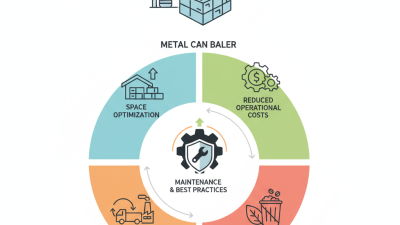
Maintaining an iron scrap pressing machine is crucial for long-term efficiency. Regular inspection keeps the machine clean. Dust and debris can hinder performance. Ensure all moving parts are lubricated properly. Each component relies on smooth operation. Neglect can lead to costly breakdowns.
Operational efficiency also depends on user training. Well-trained operators understand best practices. They know how to adjust settings for different materials. This adjustment maximizes output. Poorly trained staff may struggle with the machine’s functionality. Mistakes can extend processing time and decrease productivity.
Routine maintenance is not always straightforward. Operators must be vigilant for unusual sounds. These can signal underlying issues. Regular check-ups often reveal hidden problems. A proactive approach to upkeep ensures the machine meets recycling goals effectively. Facing challenges is part of the process, but improvement comes through reflection and adjustment.
2026 Iron Scrap Pressing Machine Efficiency Analysis