How to Choose the Best Steel Baling Machine for Your Needs?
Choosing the right Steel Baling Machine can significantly impact your business's efficiency and profitability. According to John Smith, a leading expert in the recycling industry, "Selecting the right machine means understanding your unique needs." His insight emphasizes the importance of making an informed choice.
When you consider a Steel Baling Machine, think about your material types and volume. Different machines are designed for different materials. A machine that works well with textiles may not suit metal or plastics. Remember, not all machines are created equal; some may underperform.
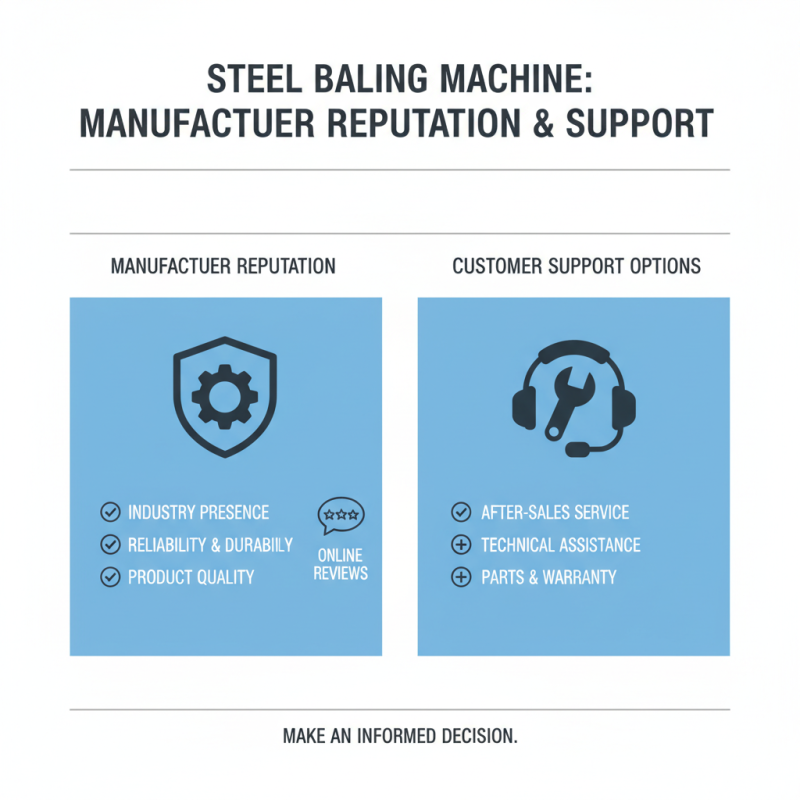
Investing in the best Steel Baling Machine can be overwhelming. You may find yourself torn between options and features. Pay attention to user reviews and case studies. These can provide valuable insights. Your choice could either enhance your operations or lead to costly mistakes. Reflecting on these factors will guide you toward a better decision.
Understanding the Functionality of Steel Baling Machines
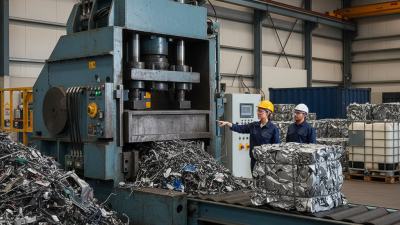
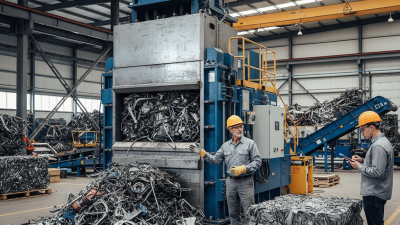
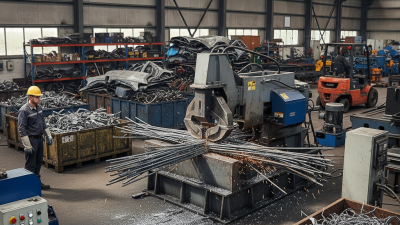
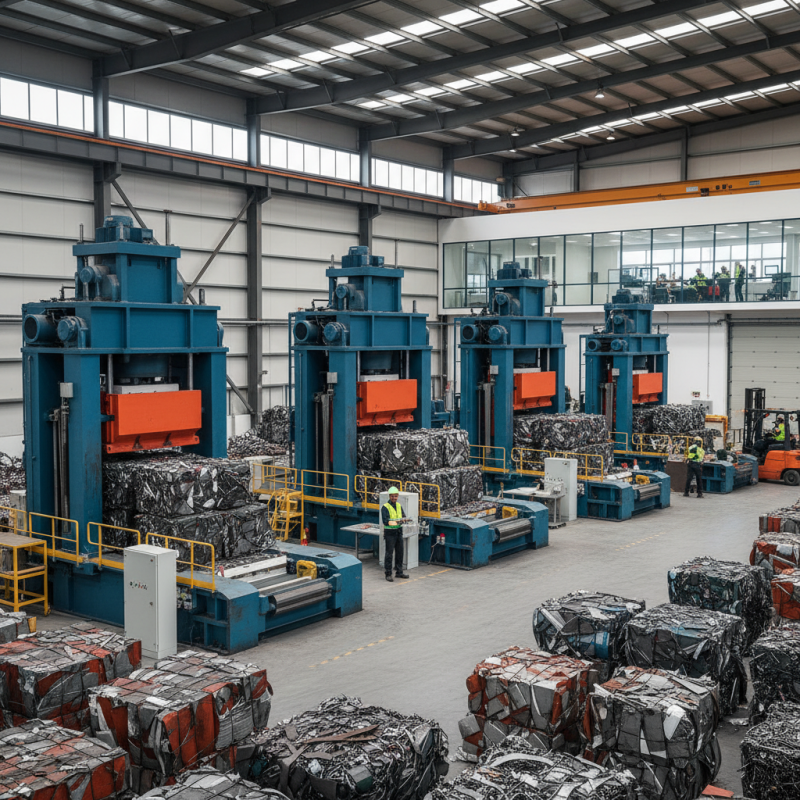
Steel baling machines are essential in recycling and waste management. They compress various materials into bales for easier handling and transportation. The functionality of these machines varies based on their design and intended purpose. A basic model may work well for smaller operations, but larger facilities often require more complex machinery.
Understanding the types of baling machines can guide your choice. Some machines handle specific materials, while others are more versatile. Look for features like manual or automatic feeding systems. Efficiency matters, and different models offer varying speed and bale size options. You might find that some machines are too slow for your needs. This is a common mistake.
Consider the maintenance aspect as well. Regular upkeep ensures longevity. A machine that requires frequent repairs can disrupt workflow. Reflect on your operational needs. Analyze how often you bales and the volume of materials processed. Balancing these factors will help you choose wisely. It's easy to overlook small details, yet they can affect overall performance.
Identifying Your Specific Baling Needs and Requirements
When choosing a steel baling machine, identifying your specific needs is crucial. Understand the materials you'll handle. Are they heavy or light? Different machines cater to various weights and types. Knowing whether you'll be processing cardboard, plastic, or metal can affect your choice.
Tips: Evaluate the size of the materials. Larger bales require different machines compared to smaller ones. Measure the space where you plan to install the machine. Ensure there's enough room for operation and maintenance.
Consider your production volume. Will you bale frequently or occasionally? Some machines work better for high-output environments. Features like automatic feeding systems can save time and labor.
Tips: Think about future needs. What if your production increases? Opt for a machine that could scale with your operations. Reflect on your budget too. Cheaper options might require more repairs. Investing slightly more upfront can save you headaches later.
Steel Baling Machine Specifications Comparison
This chart compares the maximum baling capacity of different steel baling machine models. It helps in identifying which machine can meet your specific baling needs based on its throughput capability.
Evaluating Different Types of Steel Baling Machines Available
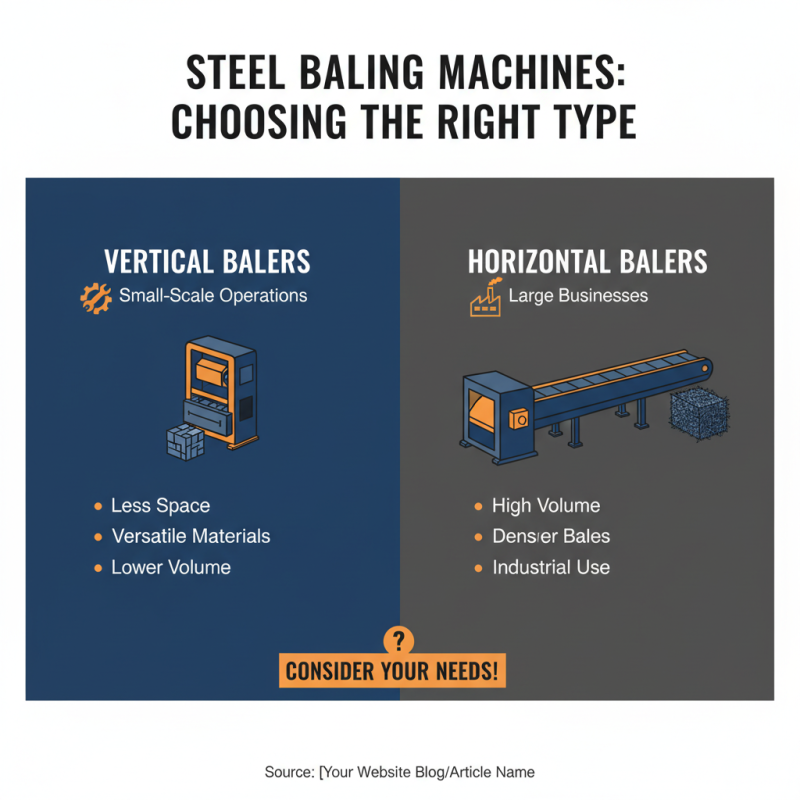
When evaluating different types of steel baling machines, it's important to consider your specific needs. There are several variations available. For instance, vertical balers are ideal for small-scale operations. They require less space and can handle a variety of materials. On the other hand, horizontal balers are more suitable for larger businesses. They can manage higher volumes and produce denser bales.
Another factor to consider is the drive mechanism. Some machines feature hydraulic systems, while others use electric drives. Hydraulic balers typically offer more power. However, they can be costlier to maintain. Electric models are quieter and easier to operate, yet might lack the same level of efficiency under heavy use.
Furthermore, the size of the bales impacts storage and transportation. Smaller bales are easier to handle. They fit well in tight spaces. Larger bales save space but can be cumbersome. Additionally, check for machine durability and adaptability for future needs. Frequent replacements are not practical for most operations. Reflecting on these criteria can help you make a more informed choice.
Factors to Consider: Size, Capacity, and Efficiency
When choosing a steel baling machine, size plays a crucial role. Consider the space where you’ll operate the machine. It should fit comfortably without crowding your area. Measure the length, width, and height. A machine that’s too large will hinder movement, while one that’s too small may not meet your needs.
Capacity is another essential factor. This defines how much material the baler can process at once. Determine your daily or weekly output. If your needs fluctuate, look for a machine that offers flexible options. Capacity directly affects efficiency. A machine that works too slowly may lead to bottlenecks.
Efficiency often hinges on the technology used in the baling process. Look for machines that reduce energy consumption and waste. Newer models may feature advanced automation, but they can be pricier. Balancing cost with efficiency is critical. It’s not always easy to predict the right balance. You might find yourself re-evaluating your choices after a few months of use. Keep that in mind as you make your decision.