How to Choose the Best Metal Baler Machine for Your Needs?
Choosing the right Metal Baler Machine can significantly impact your business operations. With so many options available, knowing where to start can be challenging. Balers are essential for compressing and recycling scrap metal. They help in reducing storage space and improving efficiency. A well-selected machine can boost productivity and profitability.
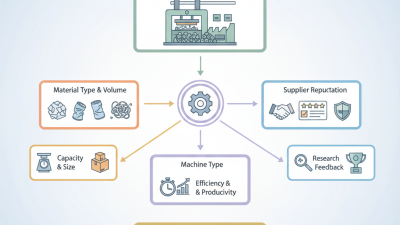
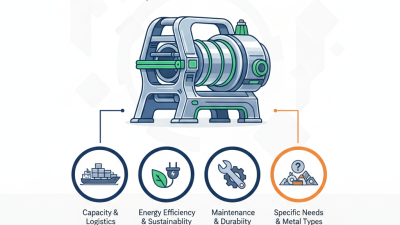
Consider the capacity of the Metal Baler Machine. Are your needs based on volume or type of material? Each baler has specific strengths. Some are designed for heavy-duty tasks, while others suit lighter materials. It's crucial to reflect on what you prioritize. Do you need a high-speed baler, or is durability more important? Sometimes, the best choice might be a compromise between features and cost.
Look into the manufacturer's reputation. Established companies often provide reliable support and service. However, more expensive brands may not always guarantee the best performance. It's worth researching customer reviews and seeking expert advice. Assessing your capabilities and the machine's efficiency can save time and resources. Balers are a significant investment, so be thoughtful in your decision-making process.
Understanding Different Types of Metal Baler Machines Available in the Market
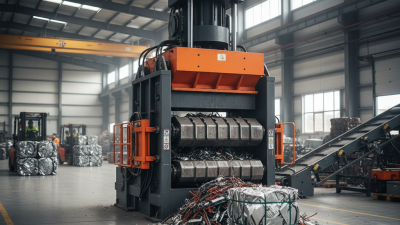
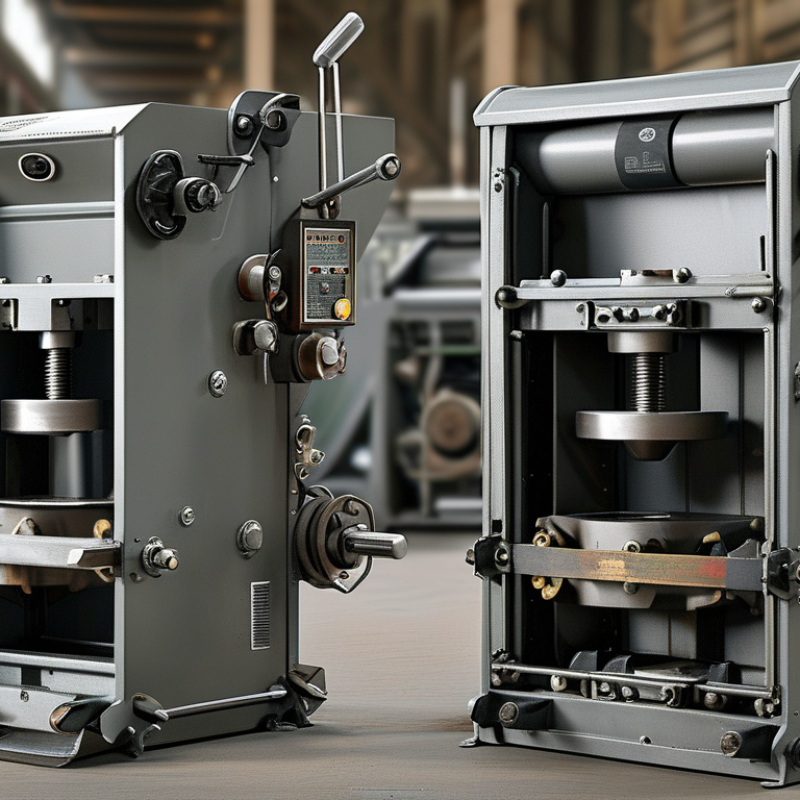
When selecting a metal baler machine, it's crucial to understand the various types available in the market. Two common types are vertical balers and horizontal balers. Vertical balers are compact, making them ideal for smaller operations. They are user-friendly and require less space. Conversely, horizontal balers handle larger volumes of material efficiently. They can process a significant amount of scrap, making them suitable for larger facilities.
Another crucial aspect is the material compatibility. Some balers are designed for specific metals, such as aluminum or steel. Others can handle mixed materials. It's essential to assess your operation's needs. A machine that processes multiple materials may seem advantageous, yet it might lack efficiency in handling heavier metals. You might find this approach requires careful balancing.
Additionally, consider ease of maintenance. Some machines require regular upkeep, which can be a burden. The right baler should minimize downtime and allow for easy repairs. Investing in a machine with clear maintenance guidelines is key. However, not all manufacturers provide this information clearly. Users often face inconvenience in understanding the maintenance requirements. This can lead to unexpected issues later on. Take the time to research each option thoroughly. A thoughtful selection can significantly impact your productivity.
Comparison of Different Types of Metal Baler Machines
This chart compares the prices of different types of metal baler machines available in the market. Depending on your budget and specific needs, you can choose the type that fits your requirements.
Key Factors to Consider When Selecting a Metal Baler Machine
Choosing the right metal baler machine involves several key factors. The type of material being processed plays a crucial role. For instance, metals like aluminum and steel have different density and composition. Understanding these distinctions helps determine the machine’s specifications. According to industry reports, around 70% of balers are configured for specific materials. This ensures maximum efficiency and output.
Another important factor is the baler's capacity. It’s essential to assess how much material will be processed daily. Machines vary significantly in throughput, with some handling up to 20 tons per hour. However, high-capacity machines may require more space and energy. Business owners must balance productivity against these operational costs. Energy consumption can account for about 20% of the total operational expense, according to recent studies.
Automation features also enhance efficiency but can be complex. Some machines offer automatic tie systems and advanced monitoring tools. While these features can save time, they may also require regular maintenance. A client’s experience might vary based on the machine's setup and their existing workflow. Understanding these challenges leads to better decision-making in choosing the right metal baler.
How to Choose the Best Metal Baler Machine for Your Needs?
| Key Factor |
Description |
Considerations |
| Baling Capacity |
The amount of material that can be processed within a specific time frame. |
Determine your monthly volume of material to select an appropriate capacity. |
| Material Types |
Different balers are optimized for various metals such as aluminum, steel, and copper. |
Identify the specific metal types you will be baling. |
| Size of Bales |
Dimensions of the bales produced can impact transport and storage options. |
Check if the bale size meets your logistical requirements. |
| Power Source |
Baler machines can be powered by electricity, diesel, or hydraulics. |
Consider the availability of power sources and the operating environment. |
| Durability and Maintenance |
The robustness of the machine and its ease of maintenance are vital. |
Look for models with good reviews regarding longevity and service support. |
| Safety Features |
Safety mechanisms to protect operators are crucial in handling heavy machinery. |
Assess the safety standards of the baler before purchase. |
Evaluating Your Production Needs and Material Types
When evaluating your production needs, consider the volume of material to be processed. Current industry reports indicate that facilities with higher throughput, over 10 tons per hour, benefit from larger baler machines. These machines increase efficiency, allowing for a consistent output. However, purchasing a machine that is too large can lead to higher initial costs and operational inefficiencies in smaller operations.
The types of materials processed also influence your choice. For instance, dense materials like metals require stronger balers with higher tonnage capabilities. Such specialized balers produce denser bales, optimizing storage and transport. Conversely, lighter materials may only need a mid-range baler. Inconsistent material types can complicate the selection process, as mixed streams often require flexible machinery that can adapt.
Understanding the specific characteristics of your materials is critical. Different materials exhibit unique behaviors under compression. For example, aluminum and cardboard compress differently. Misestimating your requirements can lead to operational challenges and unexpected costs down the line. Balers that are too stringent may waste materials, while those that are too lenient may cause blockages or inefficient bales. This reflects the importance of careful evaluation before making a purchase.
Assessing Machine Features and Specifications for Optimal Performance
When selecting a metal baler machine, understanding its features and specifications is crucial. The type of metal you process impacts your decision. For example, lighter metals like aluminum require different settings than heavier metals like steel. A study by the Institute of Scrap Recycling Industries (ISRI) indicates that the right equipment can improve throughput by up to 40%.
Consider the machine's capacity and tonnage. A baler with a higher capacity will compress metal efficiently. However, a powerful machine can lead to operational complexities. Balers may range from 10 to 80 tons, depending on your needs. Check the horsepower and cycle time. Machines with low cycle times enhance productivity, but they can increase wear and tear. Regular maintenance is often overlooked but essential for reliability.
Features like automatic feeding systems can simplify operations. Yet, they may require more training for staff. The operational costs also vary with different technologies. Running an efficient baler may reduce energy consumption by as much as 25%, but initial investment costs can be high. Many businesses fail to account for these long-term costs, leading to greater financial burdens.
Budgeting for Purchase and Maintenance of Metal Baler Machines
When budgeting for a metal baler machine, consider both the initial purchase price and ongoing maintenance costs. A low upfront cost might seem appealing, but it can lead to higher long-term expenses. Quality machines often require less frequent repairs, saving you money over time.
Evaluate the overall operating costs, including energy consumption and parts replacement. These factors can greatly impact your budget. To make the best choice, research different models and suppliers. Read user reviews and seek recommendations from industry experts.
**Tips:**
- Set aside funds for unforeseen repairs. Machines may need unplanned maintenance.
- Factor in training costs for staff. Proper training can prevent accidents and damage.
- Consider future production needs. A machine that fits now might not meet later demands.