How to Choose the Right Metal Scrap Baling Machine for Your Needs?
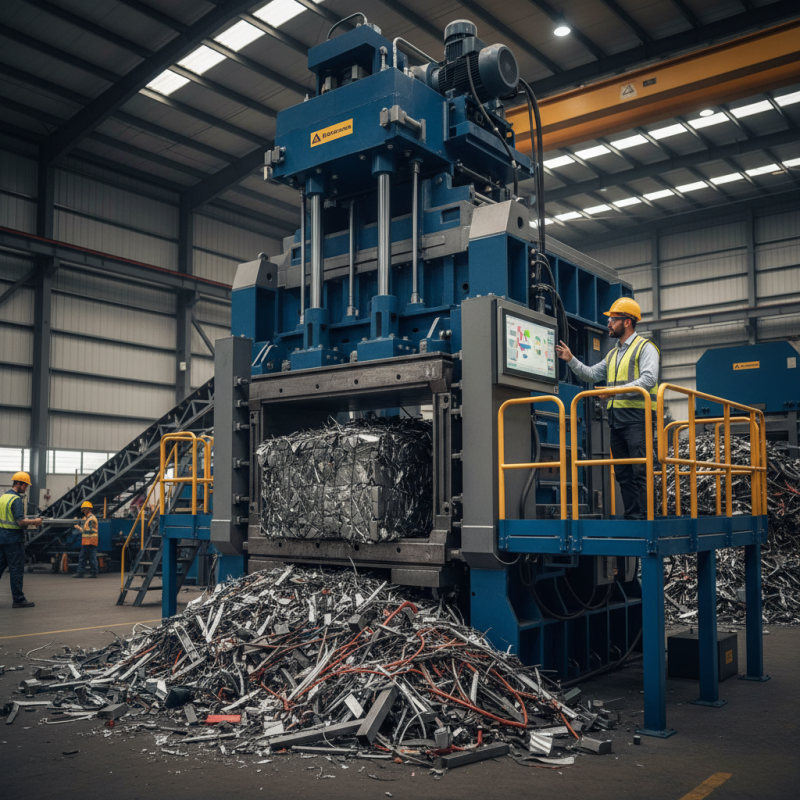
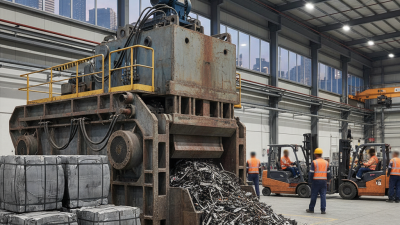
Choosing the right Metal Scrap Baling Machine can significantly impact your operations. Industry expert John Smith, a veteran in metal recycling, states, "The right baler can boost efficiency and reduce costs." In today's fast-paced economy, finding the ideal machine is essential.
When selecting a Metal Scrap Baling Machine, consider your specific needs. This includes material types, volume, and intended use. Each operation is unique. A wrong choice can lead to bottlenecks and increased expenses. Evaluate options based on durability, ease of use, and maintenance requirements.
Moreover, technology is evolving. Many machines now come with advanced features. For example, some models offer AI capabilities to enhance user experience. Balers can adapt to various scrap types, but they require proper setup. Reflect on whether your operation can maximize the potential of modern machinery, as making a thoughtful decision is crucial.
Understanding the Different Types of Metal Scrap Baling Machines
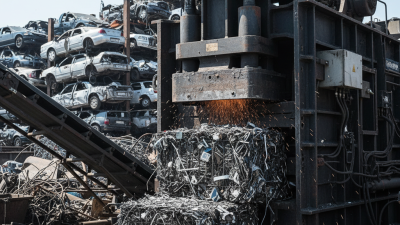
When selecting a metal scrap baling machine, it's essential to understand the various types available. The most common categories include vertical, horizontal, and two-ram balers. Vertical balers are compact and suitable for smaller operations, often producing dense bales. A report from the Bureau of Statistics indicates that vertical balers can improve efficiency by up to 30% in small-scale recycling facilities.
Horizontal balers, on the other hand, are designed for high-volume operations. They can process a wide variety of materials, making them versatile. Industries report that these machines can reduce manpower costs by nearly 40%. However, their size and power requirements can be significant factors to consider. Within this category, semi-automatic and fully automatic options exist, each with distinct benefits and drawbacks.
Two-ram balers offer additional flexibility, allowing for the processing of mixed materials. Many recycling centers prefer them for their ability to handle large volumes. However, they come at a higher initial investment. Choosing the right type involves weighing factors like space, budget, and desired output. Balancing these considerations is crucial. It can be easy to overlook the long-term operational costs associated with different models. Reflecting on your unique needs often reveals the best solution.
How to Choose the Right Metal Scrap Baling Machine for Your Needs? - Understanding the Different Types of Metal Scrap Baling Machines
| Machine Type |
Key Features |
Ideal For |
Operating Capacity (tons/hr) |
Price Range (USD) |
| Vertical Baler |
Space-saving design, suitable for small operations |
Small scrap yards, retail |
1-5 |
$10,000 - $20,000 |
| Horizontal Baler |
High throughput, more efficient for larger volumes |
Large scrap yards, recycling facilities |
5-20 |
$15,000 - $50,000 |
| Auto-tie Baler |
Automatic tying of bales, reduces labor costs |
Large facilities with high volume |
10-40 |
$30,000 - $80,000 |
| Scrap Metal Baler |
Specialized design for metal scrap, provides strong bales |
Metal recycling centers |
5-30 |
$25,000 - $70,000 |
| Mobile Baler |
Portable, ideal for on-site processing |
Construction sites, demolition |
3-10 |
$20,000 - $60,000 |
Assessing Your Scrap Metal Volume and Types for Optimal Selection
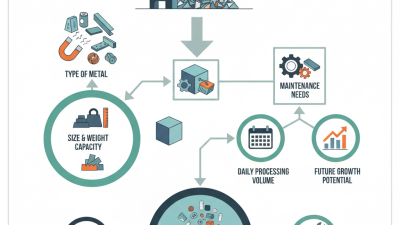
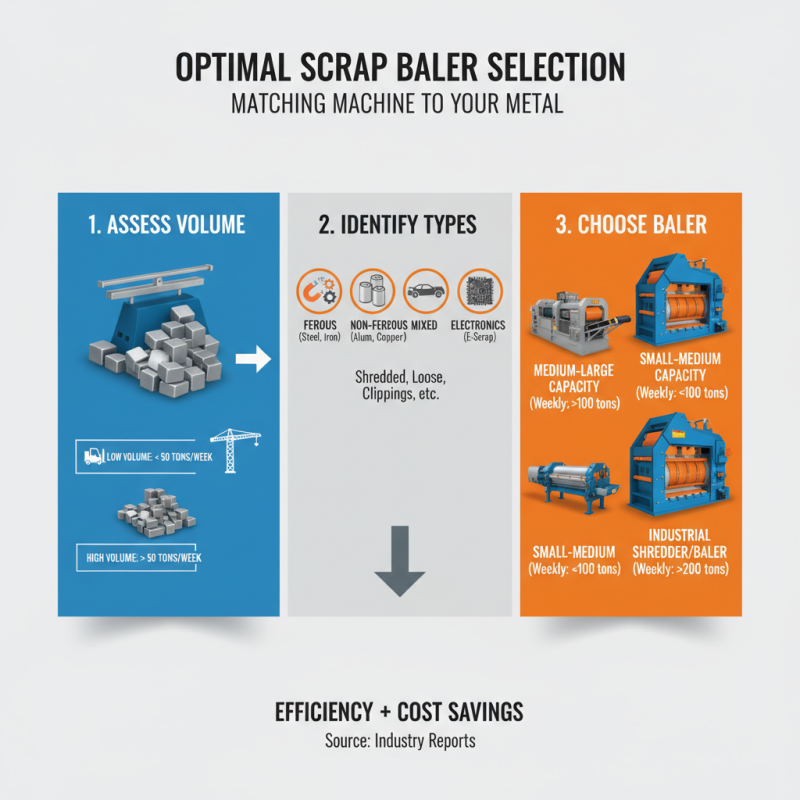
Assessing your scrap metal volume and types is essential when choosing a baling machine. According to industry reports, understanding these factors can lead to increased efficiency and reduced costs. For example, facilities handling 20 tons of scrap per week may need a different model compared to those managing 200 tons. Not all balers are created equal, and matching the machine to your specific needs can save headaches later.
Consider the types of metal you frequently handle. Ferrous metals like steel and iron require different handling compared to non-ferrous metals like aluminum or copper. A machine designed for heavier scrap may not effectively compress lighter materials, leading to inefficiencies. Reports suggest that organizations can lose up to 15% productivity simply from mismatched equipment.
Tip: Evaluate your current and future scrap volumes. Pay attention to growth patterns. If you expect increased output, choose a baler that can scale with your operations.
Remember, not every machine will suit your operation. Some businesses have regretted their purchases when faced with increased volumes or types they hadn't planned for. It’s vital to think ahead and reflect. Ensure the baler you choose fits not just your present needs but also anticipates future demands.
Key Features to Look for in a Baling Machine
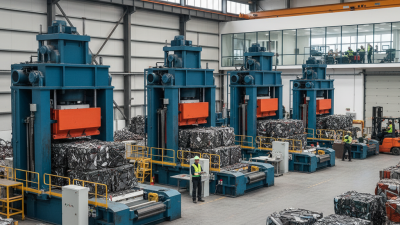
When selecting a metal scrap baling machine, consider several key features. A critical aspect is the machine's compression force. Research indicates that machines with a force ranging from 50 to 200 tons are ideal for most scrap types. This capacity effectively compacts various metals, ensuring tighter bales and optimizing storage space.
Another important factor is the machine’s cycle time. Machines that complete a cycle in under 30 seconds significantly improve operational efficiency. Organizations report up to a 40% increase in productivity with faster baling. Additionally, pay attention to bale size options. Flexible bale sizes can cater to different recycling needs and market requirements.
Moreover, user-friendly controls enhance operational safety and efficiency. Machines equipped with automated features reduce manual errors. A recent industry survey highlights that facilities with advanced controls experience a 20% reduction in labor costs. Finally, consider the machine's durability and maintenance frequency. Choosing a robust design can minimize downtime and unexpected repairs. With these elements in mind, you can better align your choice with your operational needs.
Key Features of Metal Scrap Baling Machines
Budget Considerations and Financing Options for Baling Equipment
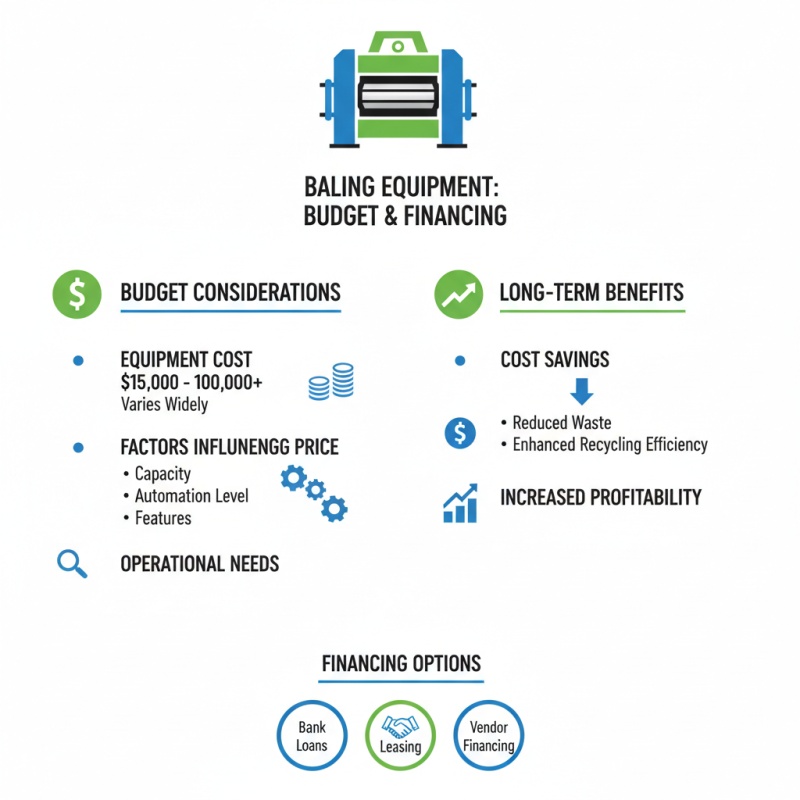
When selecting a metal scrap baling machine, budget considerations are critical. Equipment prices vary widely. A machine can cost anywhere from $15,000 to over $100,000. Factors influencing price include capacity, automation level, and features. Assessing your operational needs is essential. These machines can reduce waste and enhance recycling efficiency, leading to long-term savings.
Financing options are available for businesses on a tight budget. Many companies offer leasing options or loans with favorable terms. Industry reports suggest that financing can help more than 60% of small businesses acquire necessary equipment. This approach allows firms to maintain cash flow while investing in essential machinery. However, interest rates can vary, impacting total costs.
Investing in a baling machine is not just about the purchase price. Maintenance costs and energy consumption also add up. Many users underestimate these ongoing expenses. This can strain budgets if not planned properly. Evaluating total cost of ownership is crucial. It may prevent financial strain in the future.
Maintenance and Support Services for Long-Term Reliability
When investing in a metal scrap baling machine, maintenance is vital. Routine check-ups ensure the equipment runs smoothly. Research indicates that poor maintenance can decrease a machine’s efficiency by up to 30%. Regular servicing extends the lifespan of the equipment and reduces unexpected breakdowns. Many businesses overlook this aspect, leading to costly repairs and downtime.
Support services are equally important. Comprehensive support can include troubleshooting, remote assistance, and spare parts availability. A recent survey revealed that 40% of operators faced issues due to inadequate support. The right service provider can make the difference between continued productivity and disruptive halts. Even minor faults can escalate without prompt assistance.
Investing in maintenance and support is a long-term strategy. Businesses often prioritize lower initial costs over ongoing support, but this approach can be shortsighted. Choosing a machine should include evaluating the reliability of its support system. Those who invest in both experience fewer operational challenges and can maintain steady production levels.