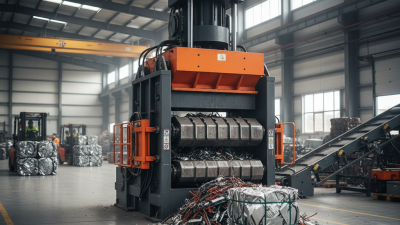
In the world of manufacturing, the importance of precision tools cannot be overstated. Metal Cutting Shear Machines stand at the forefront of this need. According to John Smith, an industry expert with over 20 years of experience, "The right shear machine can transform production efficiency." This truth echoes in the ongoing evolution of engineering tools.
Yet, not all Metal Cutting Shear Machines are created equal. Each model has its own set of features and capabilities. Manufacturers often face challenges in choosing the best machine for their needs. Some may overlook critical aspects during selection. This can lead to inefficiencies that are hard to recover from later.
Attention to detail is essential. The right machine not only improves cutting efficiency but also increases overall productivity. Businesses must reflect on their specific requirements before investing. A thoughtful approach can make all the difference in achieving excellent results.
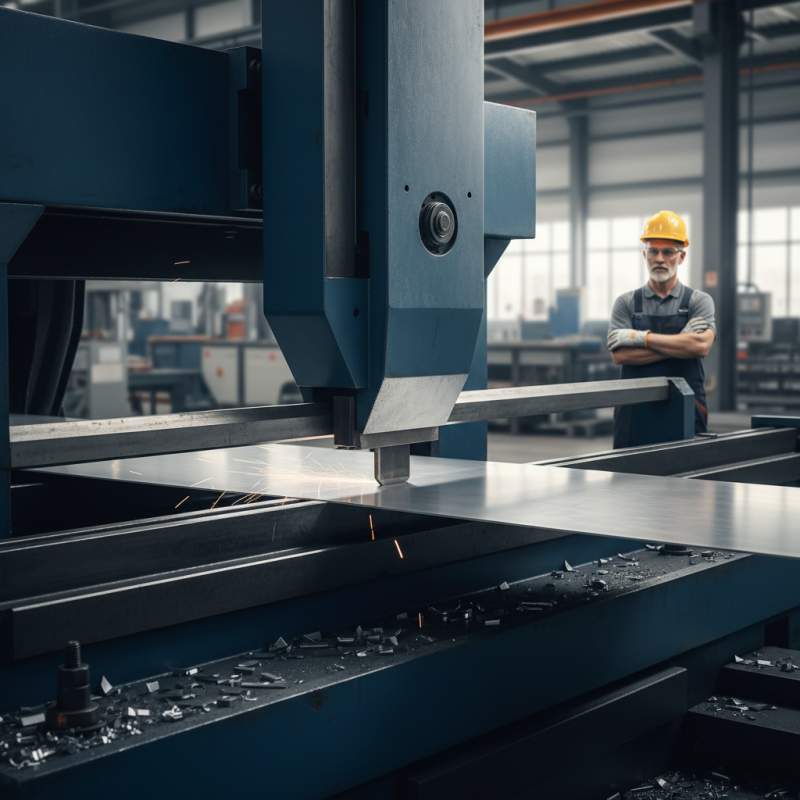
When selecting a metal cutting shear machine, it’s essential to know the types available. Each type serves specific needs and offers unique features. Mechanical shears are common. They use the power of motors to cut through metal sheets. These machines are often reliable and effective.
Hydraulic shear machines provide another option. They operate using hydraulic pressure and can handle thicker materials. Their cutting ability is impressive, but maintenance can be a hassle. Users may find it challenging to troubleshoot issues without professional help.
Another type is the CNC shear machine. These are computer-controlled and allow for precise cuts. They are ideal for intricate designs. However, they can be costly to buy and operate. The learning curve can be steep for new users. It's vital to weigh the benefits versus the challenges.
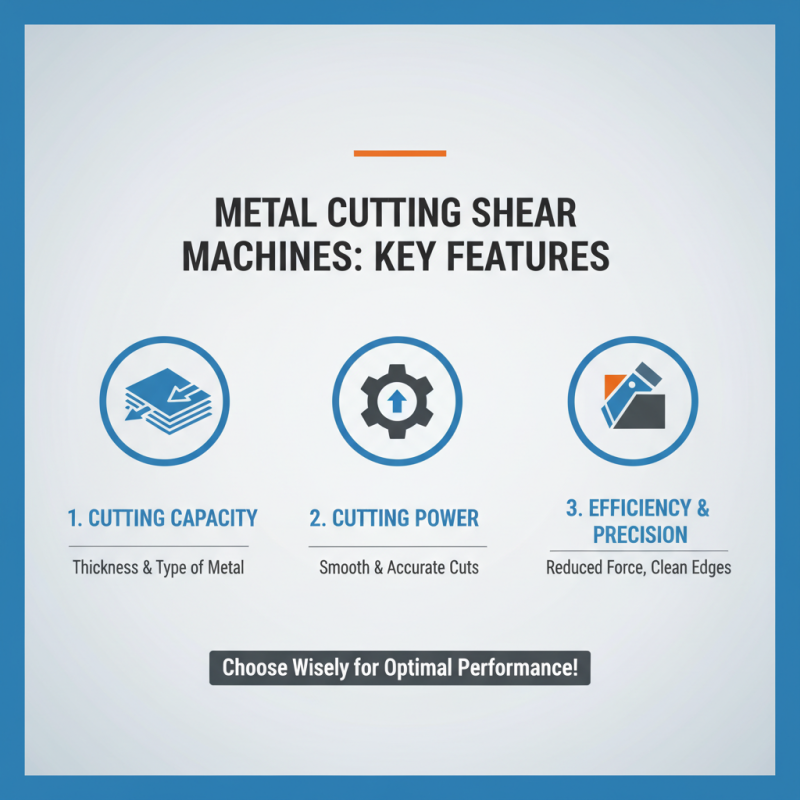
When choosing metal cutting shear machines, several key features are essential for efficiency. First, consider the machine's cutting capacity. It should handle the thickness and type of metal you plan to work with. Cutting power can vary significantly among models. You want a shear that can cut through metals smoothly and accurately without excessive force.
Another important feature is the blade quality. High-quality blades provide cleaner cuts and require less maintenance. They may have different coatings for extended durability. Also, check the cutting speed. A faster machine may enhance productivity, but it should still maintain precision. Machines with adjustable speeds allow you to customize performance based on the metal type.
Additionally, look for machines with reliable safety features. Automatic shut-off mechanisms can prevent accidents. User-friendly controls simplify the cutting process, making it accessible for operators. However, even the best machines can be flawed. Maintenance routines can be cumbersome, and improper use may lead to damage. It’s essential to weigh these factors while focusing on performance and safety.
When it comes to metal cutting, the use of metal shears stands out. Metal shears are specifically designed for cutting through different types of metals efficiently and cleanly. According to industry reports, using the right shear can enhance cutting speed by 30-50%. This significant boost in efficiency is beneficial for both small workshops and large manufacturing facilities.
Metal shears minimize waste. They provide precise cuts that reduce excess material. A well-calibrated shear can help reduce scrap material by 10-15%. This not only saves on costs but also supports sustainable practices. Workers appreciate the reduced physical strain as these machines require less effort than manual cutting methods.
Tips: Always maintain your shears for top performance. Regularly check the blades for wear and tear. Clean them after use to avoid corrosion. Learning to adjust settings can also improve cutting quality.
In practice, not all metal shears are created equal. Factors like thickness and type of material greatly affect performance. Understanding these variables is crucial. Sometimes, operators may overlook machine settings, leading to unsatisfactory results. Investing time in training can enhance skill levels and overall productivity.
When considering metal cutting shear machines, several top models stand out for their efficiency. These machines vary in design and capacity. Some models are suitable for smaller workshops, while others cater to heavy-duty industrial needs. The cutting precision is crucial. A sharper blade often leads to cleaner cuts, reducing the need for further finishing.
Many users notice that power consumption varies significantly across different models. Some machines can cut through thick metal effortlessly, while others struggle with thinner materials. This disparity can be frustrating. Noise level is another factor. Certain models operate quietly, making them ideal for environments where sound is a concern. In contrast, other machines might produce distracting noise.
User experience also plays a role in determining the best machine. Some feel that blade replacement is complicated. Maintenance schedules differ widely as well. A machine that requires frequent attention can hinder workflow. There are models that boast easier handling and lower maintenance needs. However, these might lack the cutting power required for heavy tasks. Evaluating these traits will help find the right metal cutting shear machine for your specific needs.
| Model | Cutting Capacity (mm) | Max Cut Speed (m/min) | Width of Shear (mm) | Weight (kg) | Power Consumption (kW) |
|---|---|---|---|---|---|
| Model A | 10 | 15 | 300 | 120 | 5 |
| Model B | 15 | 12 | 400 | 150 | 6 |
| Model C | 20 | 10 | 500 | 200 | 7.5 |
| Model D | 8 | 18 | 300 | 100 | 4 |
| Model E | 12 | 14 | 350 | 130 | 5.5 |
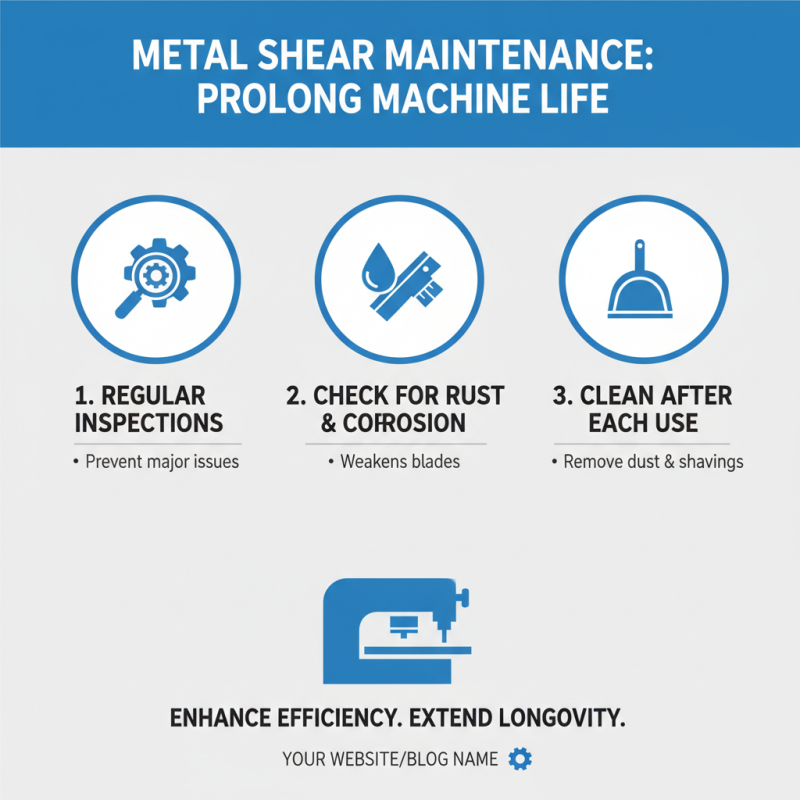
Maintaining your metal shear machine is crucial for its longevity. Regular inspections can prevent major issues. Check for rust and corrosion regularly. These can weaken the blades over time. Clean the machine after each use. Dust and metal shavings can accumulate and hinder performance. A simple wipe-down can enhance efficiency.
Lubrication is another key aspect of maintenance. Use appropriate oils to ensure that moving parts operate smoothly. Remember, too little lubrication can cause friction. Too much can attract dirt. Finding that balance takes practice. Adjust the tension on the blades periodically. Incorrect tension can lead to uneven cuts or damage.
Lastly, consider operator training. Even the best machine can suffer from user errors. Regular training sessions can help minimize mistakes. Operators should know the machine’s specifications. They should be aware of its limitations. Overworking the shear may lead to unnecessary wear. These practices can significantly prolong the life of your equipment.