2026 Best Alligator Shear Blades for Global Buyers?
The demand for Alligator Shear Blades continues to grow as industries seek efficient metal cutting solutions. According to a recent report by the International Metals Recycling Association, global sales of these blades are projected to rise by 7% annually through 2026. This indicates a strong market presence and an expanding customer base, particularly in recycling and manufacturing sectors.
Industry expert Mark Thompson, a leading figure in metal processing, emphasizes this trend. He states, “Investing in high-quality Alligator Shear Blades ensures longevity and precision in cutting operations.” His insights highlight the importance of selecting the right blades for durability and performance. Buyers must navigate various options to find the best products available.
However, challenges persist. Variability in quality among manufacturers can lead to subpar performance. Selecting the wrong blade could hinder efficiency and result in increased operational costs. Thus, understanding the nuances of Alligator Shear Blades is essential for optimal investment. Buyers are encouraged to consider both performance metrics and expert recommendations as they make purchasing decisions.

2026 Market Overview for Alligator Shear Blades in Global Industry
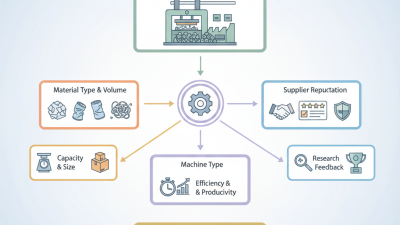
The global market for alligator shear blades is evolving rapidly. Understanding market trends can help buyers make informed decisions. As industries like construction and recycling grow, the demand for high-quality blades increases. Buyers should pay attention to materials and manufacturing processes, as these factors influence performance and longevity.
Recent studies indicate that suppliers are emphasizing innovation. Advanced materials are becoming common for better durability. Buyers need to evaluate suppliers based on their technological advancements. Many existing products still have limitations, which creates opportunities for growth. Competitors should analyze these gaps and develop solutions to address them.
Sustainability is a major theme in the industry. Manufacturers are seeking eco-friendly materials and processes. Buyers must consider environmental impact while purchasing. Understanding the balance between cost and sustainability is crucial. Buying decisions should reflect a commitment to responsible sourcing. The market offers a variety of choices, but the right decision requires careful consideration.
Key Materials Used in Manufacturing Alligator Shear Blades for Durability
When selecting alligator shear blades, the choice of materials is crucial for ensuring durability. High-carbon steel remains a preferred option. This material offers excellent edge retention and strength. According to industry reports, blades made with high-carbon steel can last 20-30% longer than those made of standard alloys. However, while high-carbon steel provides hardness, it can be prone to rusting if not properly maintained.
Another common material is alloy steel. This type of steel often includes chromium, vanadium, or molybdenum. These elements enhance hardness while improving corrosion resistance. A study by the Global Tooling Association indicates that shear blades made from alloy steel outperform traditional counterparts in both longevity and performance. Nonetheless, improper heat treatment can lead to brittleness. Operators must be vigilant in monitoring blade usage to avoid premature wear.
It's essential to choose the right coating for added protection. Many manufacturers recommend titanium or chrome coatings. These can considerably reduce wear and chemical degradation. While they may add to the initial cost, their long-term benefits often justify the investment. Be aware, though, that a coating may wear off over time, necessitating regular inspection for continued effectiveness.
Durability Comparison of Key Materials Used in Alligator Shear Blades
Performance Metrics: Measuring the Efficiency of Alligator Shear Blades
When assessing the performance of alligator shear blades, it is crucial to measure their efficiency accurately. Key performance metrics include cutting speed, blade longevity, and maintenance intervals. An efficient blade should cut through materials with precision while minimizing wear. Rapid cutting speeds enhance productivity but may compromise the blade's lifespan.
Durability is another vital aspect. High operational stress can lead to premature blade failure. Regular monitoring of wear patterns can help identify when a blade needs replacement. This aids in maintaining consistent performance levels. User feedback on blade longevity can provide valuable insights into potential improvements and areas of concern.
In practice, achieving the perfect balance between speed and durability can be challenging. Some users report that certain blades excel in speed but suffer from fast deterioration. Others find blades that last longer but are slower. Prioritizing specific needs can lead buyers to make informed choices while avoiding potential pitfalls. Continuous evaluation of blade performance helps refine selection processes, ensuring optimal efficiency and productivity in operations.
2026 Best Alligator Shear Blades for Global Buyers
| Blade Type |
Material |
Thickness (mm) |
Cutting Capacity (mm) |
Durability Rating |
Price ($) |
| Standard Blade |
High Carbon Steel |
8 |
6 |
4.5/5 |
150 |
| Heavy-Duty Blade |
Tool Steel |
10 |
12 |
4.8/5 |
200 |
| Precision Blade |
Alloy Steel |
6 |
4 |
4.7/5 |
120 |
| Economy Blade |
Carbon Steel |
5 |
3 |
4.0/5 |
80 |
Top Manufacturers and Brands Dominating the Alligator Shear Blade Market
The alligator shear blade market is witnessing significant advancements, driven by key manufacturers that establish benchmarks in quality and performance. According to a recent industry report, the global demand for alligator shear blades is expected to grow at a CAGR of 6.5% from 2023 to 2026. This surge stems from various sectors, including metal recycling and processing, which increasingly favor efficiency and durability in cutting tools.
Top manufacturers in this space focus on innovation and reliability. They invest heavily in research and development to enhance blade longevity and operational efficiency. A survey reported that approximately 72% of end-users prioritize blade lifespan when selecting products. This reflects a growing awareness of the total cost of ownership, not just the initial purchase price. However, not all manufacturers meet these heightened expectations consistently, leading to variability in product quality. Buyers often share mixed experiences, some citing dependable performance, while others report issues that prompt careful selection.
Market leaders also emphasize customer support and training, recognizing that user knowledge is crucial. While advancements are evident, there remains room for improvement. Feedback suggests that even established brands could refine their communication and support frameworks. Industry experts encourage continuous evaluation of products to ensure they effectively meet evolving demands. This dynamic landscape positions buyers to make informed choices about alligator shear blades.
Trends and Innovations Shaping the Future of Alligator Shear Blades in 2026
As we move towards 2026, alligator shear blades are set to evolve significantly. These blades will incorporate advanced materials and innovative designs. Manufacturers are exploring lightweight compositions that enhance cutting efficiency while reducing wear and tear. This shift will also address the demand for sustainability, given the rise in eco-conscious manufacturing practices.
The focus on precision engineering is becoming glaringly evident. Enhanced machining techniques will deliver blades with sharper edges and uniform thickness. This will lead to improved performance in various applications, making alligator shears more reliable. However, some challenges persist. Not all suppliers are keeping pace, raising concerns about quality consistency in the market.
With technological advancements, automation integration is on the rise. Automated systems can optimize the blade change process, minimizing downtime. Yet, this raises questions about maintenance and operational training for staff. As tools become more sophisticated, their users must adapt. Embracing these innovations requires careful consideration and commitment to ongoing education.