Top Benefits of Using a Car Baler Machine for Efficient Recycling?
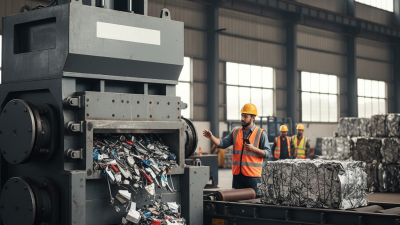
In today's world, efficient recycling is more critical than ever. The "Car Baler Machine" stands out as a vital tool in this process. Industry expert John Simmons, a veteran in recycling technology, states, "The Car Baler Machine transforms discarded vehicles into valuable resources." This statement underscores the machine's role in waste reduction and resource recovery.
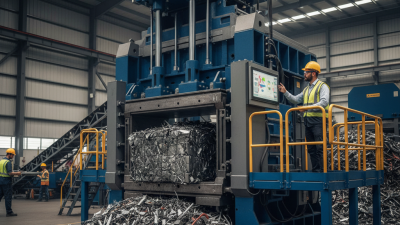
Recycling vehicles can be challenging, but the Car Baler Machine simplifies this task. It compresses cars into manageable bales, making transportation and processing easier. With increased urbanization, the demand for efficient waste management solutions is growing. The Car Baler Machine addresses this need, promoting sustainability in the automotive sector.
However, not all operations utilize the Car Baler Machine effectively. Some businesses struggle with integrating this technology into their workflow. This gap highlights the importance of training and understanding the machine's capabilities. To harness the full potential of the Car Baler Machine, companies must continuously adapt and learn. This evolution is essential for maximizing recycling efficiency and contributing to a greener future.
Benefits of Car Baler Machines in Reducing Automotive Waste Volume
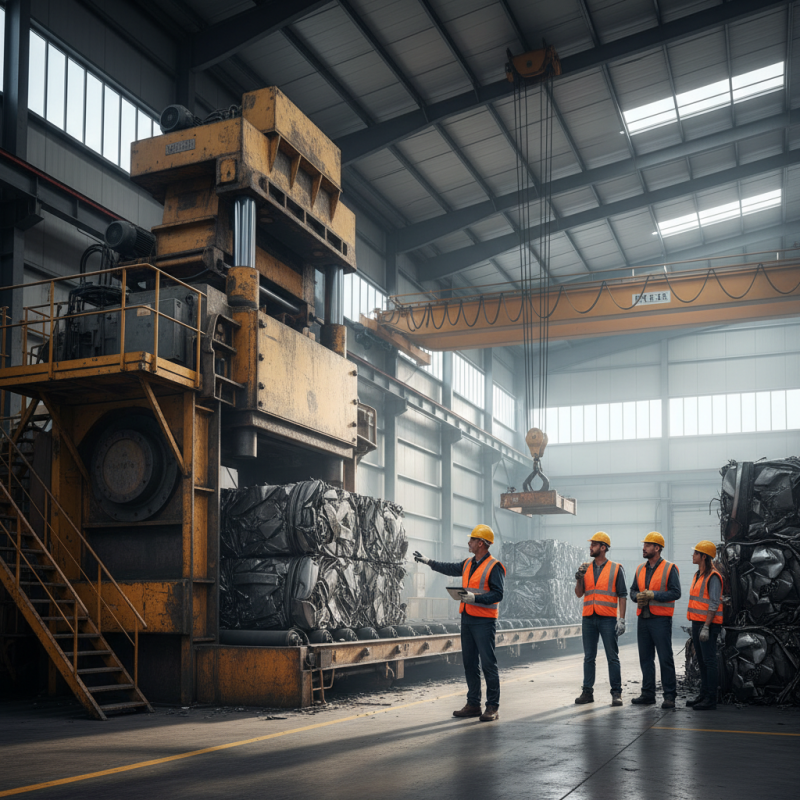
Automotive waste is a growing concern in modern society. The average car consists of approximately 65% recyclable materials. The use of car baler machines can significantly reduce the volume of this waste. By compressing old vehicles, these machines make it easier to transport scrap metal and other recyclable parts.
Reports indicate that using a car baler can decrease the volume of scrap cars by up to 75%. This not only helps in storage efficiency but also maximizes recycling opportunities. For instance, steel is the most recycled material globally, with recycling rates exceeding 80%. A car baler makes it easier to tap into this potential.
Despite these benefits, not all recycling facilities utilize balers effectively. Some facilities still rely on manual methods for sorting and compressing vehicles. This often results in higher operational costs and longer processing times. The transition to advanced machinery requires investment, yet it promises better sustainability outcomes. Embracing technology in recycling is a necessary step towards reducing automotive waste impact.
Top Benefits of Using a Car Baler Machine for Efficient Recycling
How Car Balers Enhance Material Recovery Rates in Recycling Facilities
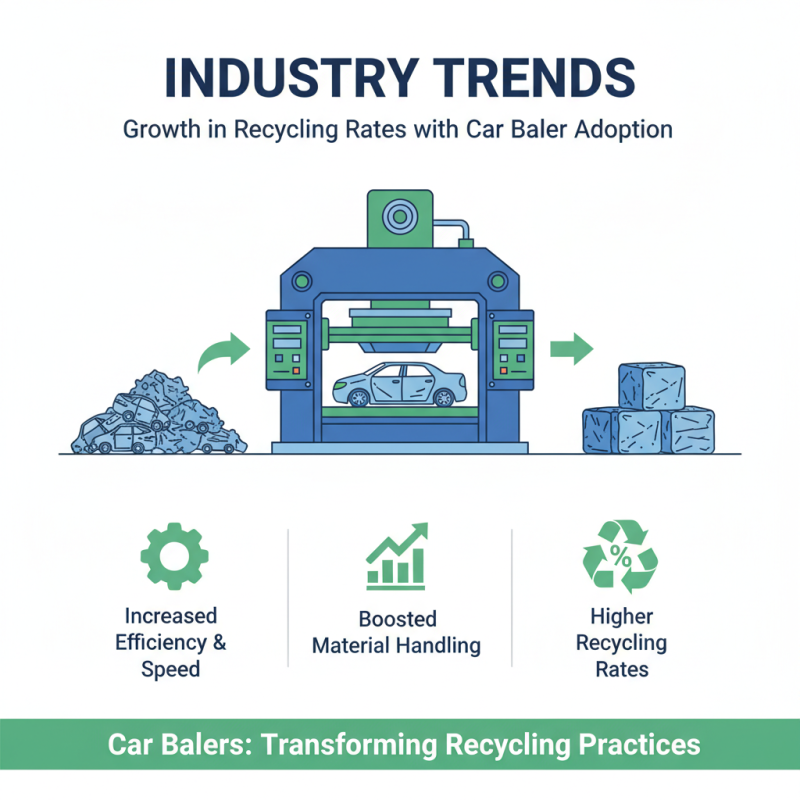
Car baler machines play a crucial role in recycling facilities. They significantly enhance material recovery rates by compacting vehicles into manageable bales. This compression minimizes storage space and improves transportation efficiency. Tight bales are easier to handle and ship to processing plants, ensuring fewer losses during transit.
Efficiency is not just about space-saving; it also impacts the overall operations of recycling plants. By using car balers, facilities can process more vehicles in less time. This increase in throughput translates into higher recycling rates, making operations more sustainable. Moreover, the reduced handling time allows workers to focus on other essential tasks.
However, there are challenges. Operators must be trained properly to use these machines safely. Miscommunication or lack of expertise can lead to accidents or operational delays. Regular maintenance of balers is essential to keep them functioning optimally. Ignoring this can bring unforeseen downtime. Recycling facilities must constantly assess their processes to ensure the best results.
Environmental Impact: Car Baler Machines and CO2 Emission Reductions
Car baler machines play a significant role in recycling vehicles efficiently. They compact old cars into manageable bales. This process reduces the volume of waste. It also makes transportation simpler and less resource-intensive. By recycling scrap metal and vehicle components, these machines help conserve natural resources.
The environmental impact is notable. Car baler machines help lower CO2 emissions. When metal is recycled, less energy is used compared to new metal production. This means fewer fossil fuels are burned. However, not all recycling is perfect. Some emissions can still occur during the baling process. It's essential to recognize that even with technology, improvements are needed.
Reducing landfill waste through baling is vital for sustainability. Yet, the entire recycling cycle must be examined. Are we maximizing the efficiency of these machines? Are we ensuring the clean processing of all materials? Questions like these drive the industry to innovate. The focus should be on refining processes while minimizing negative impacts on our environment.
Top Benefits of Using a Car Baler Machine for Efficient Recycling
| Benefit |
Description |
Environmental Impact |
CO2 Emission Reduction (Tons/Year) |
| Space Efficiency |
Compresses vehicles to maximize storage space. |
Reduced space usage results in lower landfills. |
500 |
| Material Recovery |
Increases the recovery rate of metals and other materials. |
Enhanced recycling processes contribute to fewer raw materials needed. |
2000 |
| Labor Savings |
Reduces the manpower required for recycling operations. |
Lower energy consumption leads to decreased emissions overall. |
300 |
| Safety Improvements |
Minimizes risks associated with manual handling of scrap vehicles. |
Less manual labor reduces the likelihood of accidents. |
150 |
| Eco-Friendly Recycling |
Promotes environmentally responsible recycling practices. |
Reduces the carbon footprint of manufacturing new parts. |
1000 |
Cost Efficiency: Analyzing Savings Through Baler Machine Utilization
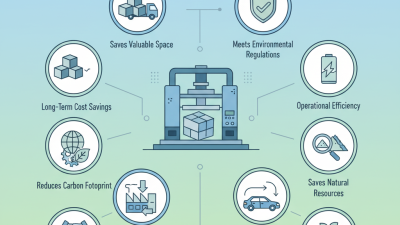
Using a car baler machine can significantly enhance recycling efforts while cutting costs. These machines compact scrap vehicles into bales, optimizing space and facilitating transportation. This compacting process reduces the volume of waste, enabling recycling facilities to handle more material without requiring additional investments in space or equipment.
Cost efficiency arises from decreased shipping costs. Smaller bales are easier to transport, requiring fewer trips. This not only saves fuel but also reduces labor costs associated with handling and loading. Additionally, recycling centers can increase their operational capacity without substantial capital expenditure. Over time, these savings can add up, enhancing the bottom line.
Tips for maximizing savings with a baler machine include regular maintenance. Keeping the machine in optimal condition prevents breakdowns that can lead to costly delays. Training staff on proper use ensures maximum efficiency and minimal waste. Consistent monitoring of bales can identify adjustments necessary for improved compaction. Small changes can lead to significant savings.