Why Choose an Aluminium Scrap Baler for Efficient Recycling?
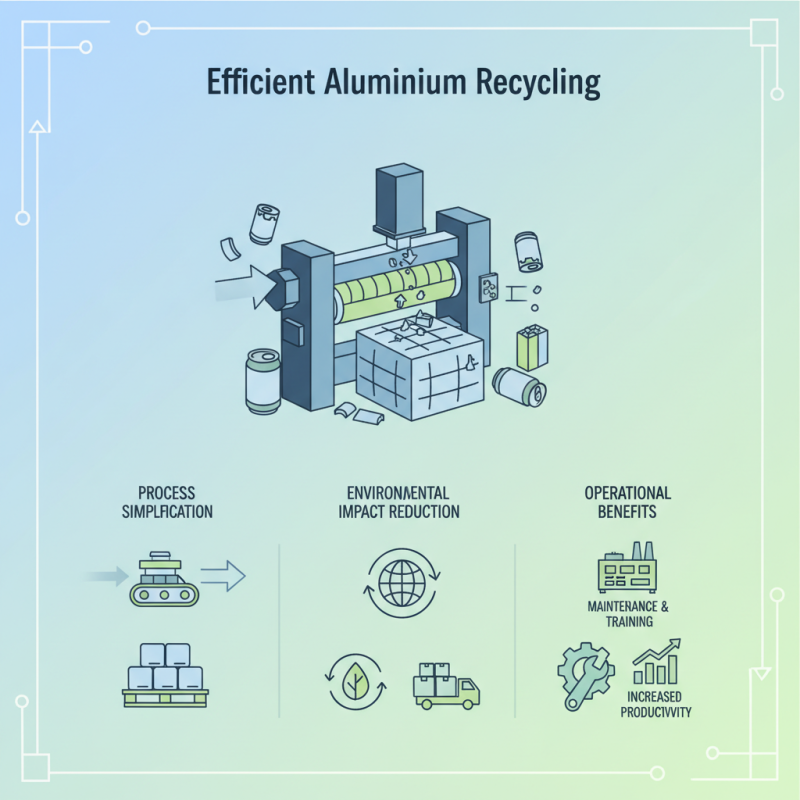
Efficient recycling is crucial in today’s world. The Aluminium Scrap Baler plays a vital role in this process. It transforms waste aluminium into compact bales, making transport and storage easier. This efficiency reduces the environmental footprint of recycling.
More companies are recognizing the benefits of using an Aluminium Scrap Baler. It simplifies the recycling workflow. However, it's important to select the right model for your needs. Not every baler is the same. Some may lack features that enhance productivity. A thoughtful approach ensures maximum efficiency.
Investing in an Aluminium Scrap Baler can have a significant impact on operations. It creates a cleaner working environment. But businesses must also consider maintenance and training. Understanding these aspects leads to better usage. Reflecting on the decision to invest is key to successful recycling.
Understanding Aluminium Scrap Balers and Their Functionality
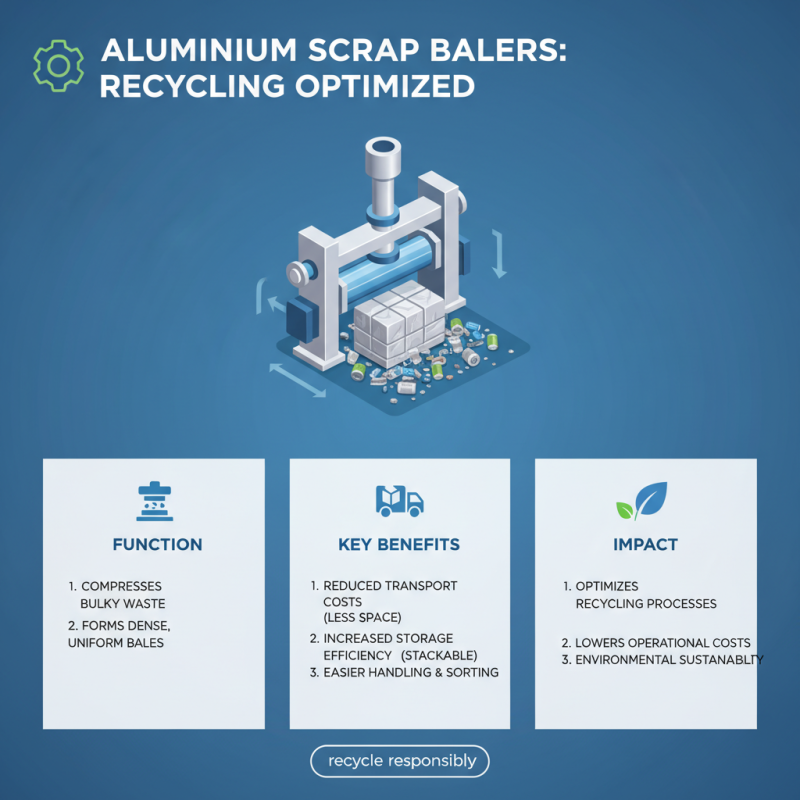
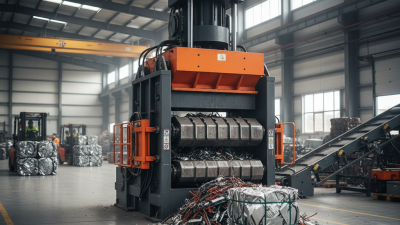
Aluminium scrap balers play a crucial role in recycling processes. They compress bulky aluminium waste into manageable bales. These bales are easier to handle and transport. This functionality is vital for recycling centers aiming to optimize operations. An efficient baler can significantly reduce transportation costs and increase storage efficiency.
The machinery operates through simple hydraulic principles. The operator loads the scrap into a chamber. A hydraulic ram then compresses the material tightly. The result is a compact block of aluminium ready for the next step in recycling. However, maintenance can be challenging. Regular checks are necessary to ensure smooth operation. Dirty or damaged parts can hinder efficiency and safety.
Understanding how aluminium balers function can lead to better recycling outcomes. They contribute to sustainability by reducing waste. Yet, choosing the right model requires careful consideration. Different models offer varying capacities and features. It’s easy to overlook the specific needs of your recycling operation. Awareness of these details is essential for making informed decisions.
The Importance of Efficient Recycling in Today's Environment
Efficient recycling is crucial in our current environmental landscape. The World Economic Forum states that effective recycling can reduce global waste by 30%. This reduction directly contributes to less landfill usage and lower greenhouse gas emissions.
Aluminium, in particular, plays a significant role. Recycling aluminium saves 95% of the energy required to produce it from raw materials.
However, the recycling process faces challenges. Many facilities are inefficient and struggle to keep up with increasing demand. A report from the International Aluminium Institute shows that only 75% of aluminium ever produced is still in use. This highlights the need for advanced solutions. An aluminium scrap baler can compact materials, making transport and processing easier. This could enhance overall recycling rates and efficiency.
It's essential to recognize that technology alone isn't enough. The recycling industry must adapt continuously to growing environmental concerns. Outdated systems and practices hinder progress. While aluminium balers improve operations, holistic strategies are required. Engaging communities and promoting awareness about recycling benefits is as vital as technological advancements.
Benefits of Using Aluminium Scrap Balers in Recycling Operations
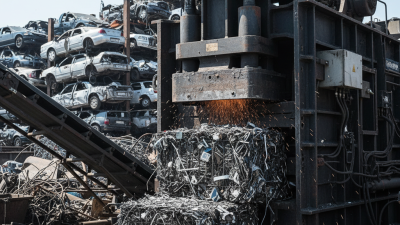
Aluminium scrap balers play a crucial role in the recycling process. Recent studies show that recycling aluminium can save up to 90% of energy compared to producing new aluminum. This highlights the importance of efficient recycling operations. A baler compresses and organizes scrap into manageable bales, making transportation easier.
Using an aluminium scrap baler contributes significantly to reducing landfill waste. In 2021, over 30 million tons of aluminum were recycled globally, showcasing a persistent increase. However, not all facilities utilize balers effectively. Without proper baling, the recycling process becomes inefficient.
Moreover, balers can enhance workplace safety. Loose scrap can cause hazards, leading to injuries. With bundled bales, companies can minimize risks. This method also crafts a neater workspace. Despite these advantages, some operations may still underestimate the potential benefits of balers. It is vital to recognize the need for investment in better recycling tools to achieve maximum efficiency.
Benefits of Using Aluminium Scrap Balers in Recycling Operations
Comparative Analysis: Aluminium Scrap Balers vs. Traditional Methods
Aluminium scrap balers offer a modern solution to recycling processes. In contrast to traditional methods, which are often labor-intensive and inefficient, balers streamline the operation. According to industry reports, these machines can reduce manpower by up to 50%. This efficiency leads to quicker processing times and significant savings on labor costs.
Traditional methods often involve manual sorting and processing. This not only takes more time but also increases the chances of human error. Using balers, recyclers can compress large volumes of scrap into manageable bales. The compact bales are easier to transport and store. The recycling rate for aluminium can reach up to 90% with the effective use of balers, making them a smart investment.
Tips: Regular maintenance of balers is crucial for optimal performance. Check hydraulic systems often. Ensure operators are trained properly to minimize mistakes. Investing in training pays off. Balers might require initial capital but lead to long-term savings. Be mindful of space and choose a model that fits your facility's layout.
Key Features to Look for in an Aluminium Scrap Baler
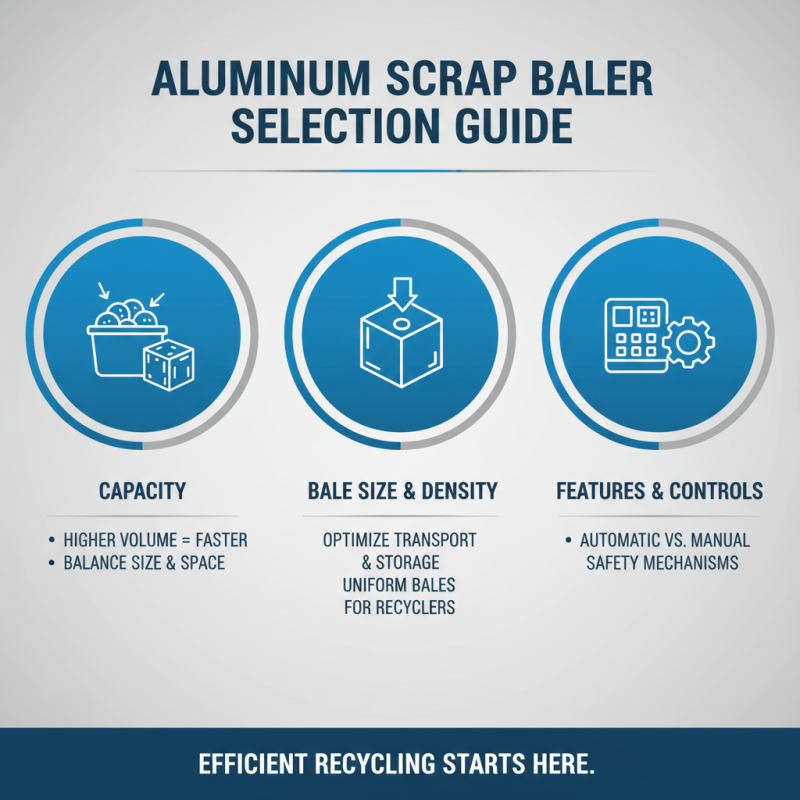
When selecting an aluminium scrap baler, key features are crucial for effective recycling. First, consider the baler's capacity. Different models can handle varying volumes of scrap. A larger capacity will save time and increase efficiency. However, larger machines might require more space and resources. You need to balance size and operational limits based on your facility's capabilities.
Another important feature is the baler’s compression force. A stronger force will yield denser bales, reducing storage space. However, higher compression can also lead to increased wear on the machinery. Regular maintenance is essential to avoid issues, as neglect can lead to costly repairs.
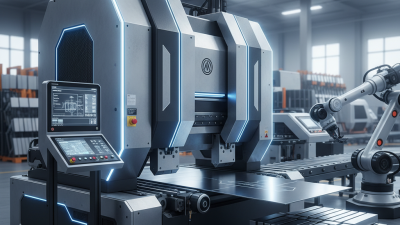
Look for user-friendly controls and safety features. An intuitive design facilitates training for new employees. Safety functions, such as emergency stops and protective guards, are essential to ensure a secure working environment. Neglecting safety can lead to accidents that halt operations. Therefore, it's wise to prioritize features that promote efficiency and safety in your recycling process.