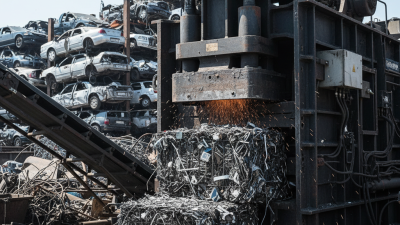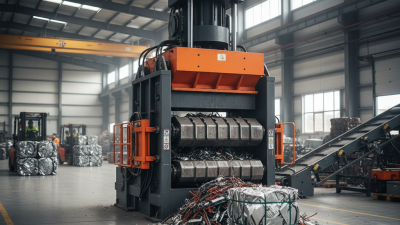
An Aluminium Scrap Baler is a vital machine in recycling. It compresses aluminum waste into manageable bales. This process helps in reducing storage space and transportation costs. Many industries generate aluminum scrap, and efficient waste management is crucial.
Understanding how an Aluminium Scrap Baler operates is essential for businesses. The baler uses hydraulic power to compress scrap materials. This creates bales that are easy to stack and transport. Operators must be trained to handle the machine safely and effectively.
While the machine is efficient, challenges exist. Maintenance is key for optimal performance. Neglecting regular checks can lead to inefficiencies. Moreover, understanding the market for aluminum scrap can be complex, requiring continuous learning and adaptation. Thus, the journey of utilizing an Aluminium Scrap Baler is one of constant improvement.
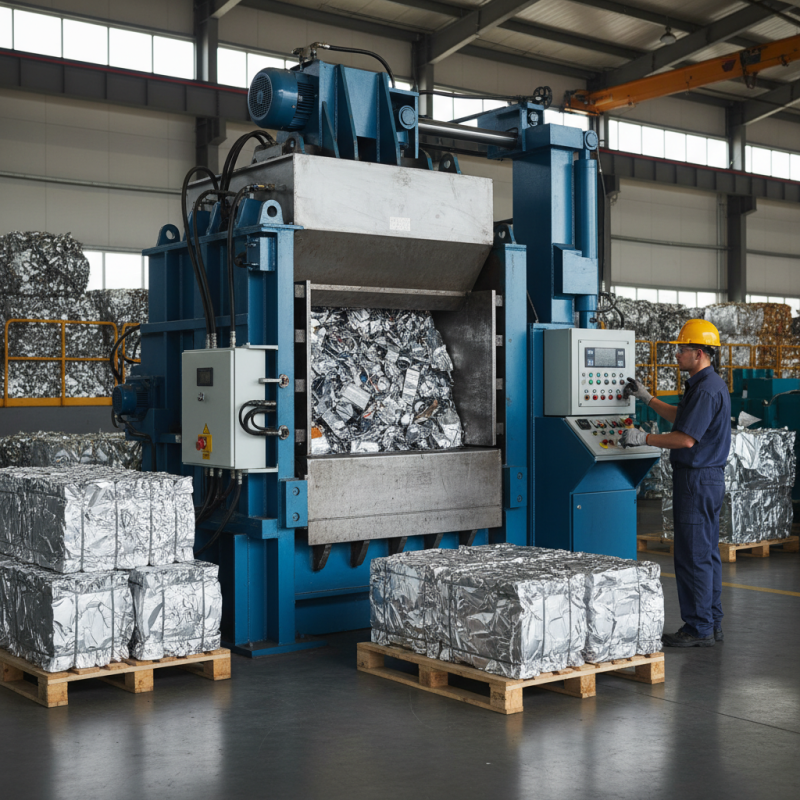
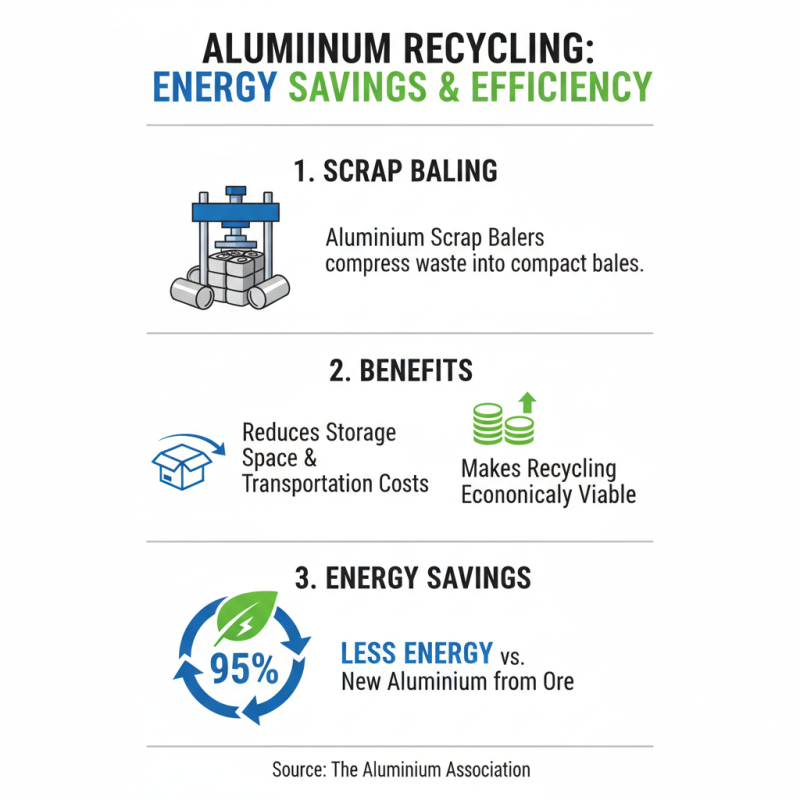
Aluminium scrap balers play a crucial role in the recycling industry. They efficiently compress aluminum waste into compact bales. This process reduces storage space and transportation costs, making recycling more economically viable. According to the Aluminium Association, recycling aluminum saves up to 95% of the energy compared to producing new aluminum from ore. Such energy savings highlight the importance of effective scrap processing.
The primary purpose of an aluminium scrap baler is to promote recycling. By transforming loose scrap into manageable bales, it streamlines the logistics of collection and processing. In 2021, the global aluminum recycling market was valued at approximately $24 billion, reflecting the growing significance of balers. These machines often operate under high pressure, enabling them to create dense bales that can weigh hundreds of kilograms. However, not every facility has access to reliable balers, which complicates recycling efforts.
Some facilities may struggle with inconsistent baling processes. This inconsistency can lead to inefficiencies. A poorly formed bale takes up more space and may not meet industry standards. Moreover, not all scrap balers are created equal. Variations in technology and design can impact performance. Facilities must assess their needs carefully. The recycling sector continuously evolves, demanding higher efficiency and standardization in baling practices to keep up with growing aluminum demand.
Aluminium scrap balers are vital in recycling operations. They help compact aluminium scraps into manageable bales. This process reduces space and makes transportation easier. Several key components play crucial roles in this machine's function.
The hydraulic system is at the heart of the baler's operation. It creates pressure to compress the scrap. This pressure is essential for forming tight bales. The baling chamber is another important part. It holds the scrap while the compression occurs. Operators must ensure that the chamber is clean. Any leftover materials can affect performance.
An automatic feeding system can enhance efficiency. It helps load scraps without manual effort. However, issues can arise. If the feeding system jams, sorting can take time. Maintenance is also necessary. Regular checks prevent unexpected breakdowns. An unmaintained baler can lead to wasted resources. Understanding these components leads to better outcomes in recycling processes.
Aluminium scrap balers are crucial in waste management. They compact loose aluminium into bales, making it easier to transport and store. According to the International Aluminium Institute, recycling aluminium can save up to 95% of the energy required to produce new aluminium. This significant energy reduction is a major benefit for industries looking to lower their carbon footprint.
Using aluminium scrap balers also enhances the recycling process. Waste Management data shows that properly baled material can increase recycling rates by up to 30%. Baled aluminium is easier for recycling facilities to handle and process. Not all aluminium scrap is obtained efficiently. Many businesses still throw away aluminium waste instead of recycling it. This highlights the need for better education on scrap baling benefits.
In addition, the savings associated with using balers go beyond energy efficiency. Transport costs decrease, as compressed bales take up less space. However, not every organisation utilizes balers effectively. Some balers may require maintenance that is often overlooked. Regular checks can prevent costly breakdowns and inefficiencies. Sustainable practices in waste management require ongoing reflection and improvement.
Aluminium recycling is crucial in reducing waste and conserving resources. According to the Aluminum Association, the recycling rate for aluminum cans in the U.S. was 50% in 2021. This rate has improved, but it's still below potential. Effective aluminum scrap balers play a significant role in achieving higher recycling efficiencies.
Balers compress aluminum scrap into manageable bales. This process reduces transportation costs and saves valuable space in recycling facilities. In a study by the Institute of Scrap Recycling Industries, balers have been shown to increase the density of materials by up to 70%. However, not all machines operate at peak efficiency. Maintenance issues may arise, impacting their effectiveness and long-term performance.
With increasing demand for recycled aluminum, efficiency in processing is essential. The Recycling Partnership reported that optimizing baler capacity could lead to a 30% increase in output. Yet, many facilities remain underutilized. Addressing these inefficiencies is vital for better resource recovery. Overall, while aluminum balers are effective, continuous improvements are necessary to maximize their potential in recycling efforts.
Operating an aluminium scrap baler requires attention to safety and efficiency. Ensuring the work area is clean can prevent accidents. Workers should wear appropriate protective gear. This includes gloves, goggles, and steel-toed boots. Inspect the baler before every use to identify any irregularities. Look for loose parts or signs of wear. These checks can save time and prevent injuries.
Proper loading techniques are crucial for effective baling. Materials should be evenly distributed within the chamber. Overloading can cause jams or mechanical failures. Pay attention to the size and type of scrap being processed. Non-uniform pieces can lead to inefficiencies. Operators should be trained in best practices for loading. Encouraging a culture of communication is key. Workers should feel comfortable discussing potential hazards.
Maintenance is often overlooked but vital. Regularly lubricate moving parts to ensure smooth operation. Improper maintenance can lead to costly breakdowns. Operators should keep a log of maintenance checks. Documenting these details fosters accountability. It's a good idea to conduct training sessions regularly. New techniques and experiences can enhance safety and efficiency. Encourage feedback from employees for continuous improvement.