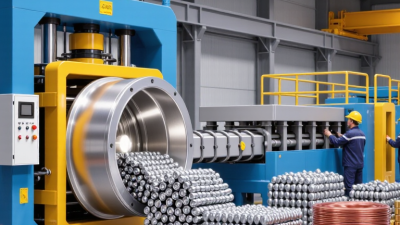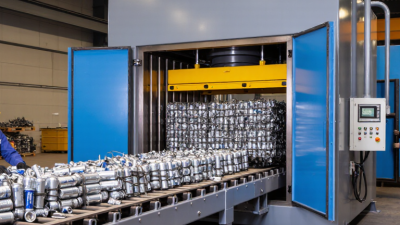
Choosing the best Steel Baling Machine in 2026 requires more than comparing price tags or hydraulic force. Steel scrap varies widely. Thin sheet, punched parts, and heavy beams behave differently inside the chamber. A machine that handles clean factory offcuts may struggle with oily, mixed, or oversized material. The details matter.
Recycling-equipment engineer David M. Hargreaves explains, “The best baler is not the largest one; it is the machine that matches your material, workflow, and maintenance capacity.” This practical view should guide every purchase decision. Buyers need to examine bale density, chamber dimensions, motor power, cycle time, loading methods, and discharge design. A five-minute test with real scrap can reveal more than a polished brochure.
Safety deserves equal attention. Check guarding, emergency stops, hydraulic protection, operator visibility, and training requirements. Reliable manufacturers should provide load data, maintenance schedules, spare-parts support, and clear warranty terms. Ask how quickly service technicians can respond when production stops.
Budget pressure can distort judgment. A low purchase price may hide expensive downtime, weak components, or difficult repairs. Yet the most powerful model may also waste energy and floor space. No machine is perfect. That assumption needs challenging.
This guide compares essential specifications, operating conditions, lifecycle costs, and supplier credibility. It also considers a commonly missed issue: whether your current forklift, power supply, and operators can support the equipment. The right Steel Baling Machine should create dense, transportable bales without turning daily operation into a constant compromise.
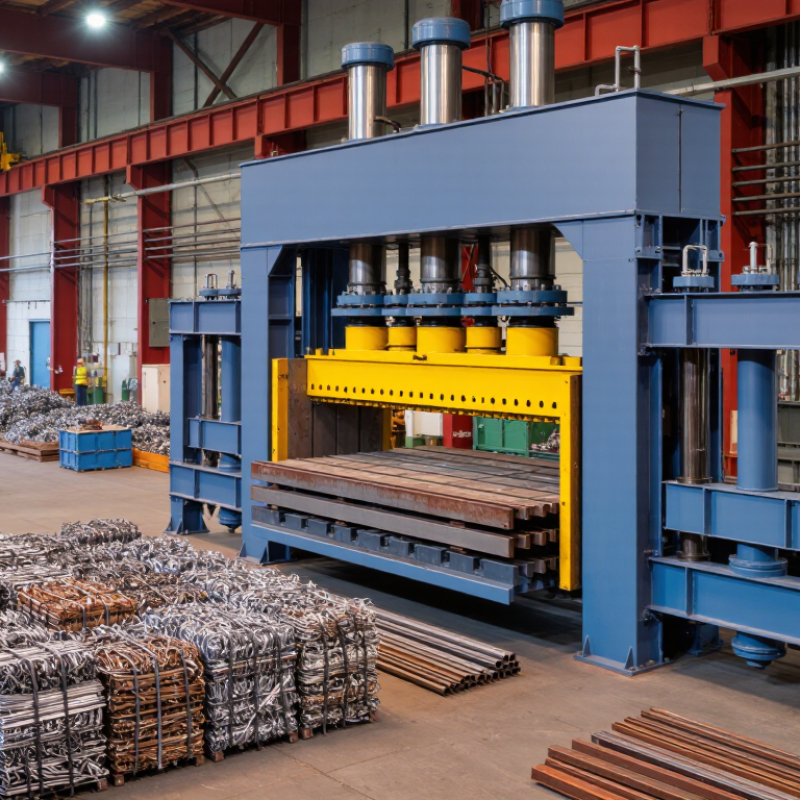
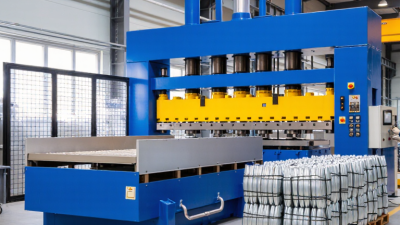
A steel baling machine compresses loose steel scrap into dense, manageable bundles called bales. It usually contains a reinforced chamber, hydraulic cylinders, a loading area, and a control system. Operators place prepared scrap into the chamber, then close the lid before pressing the cycle button.
The hydraulic ram applies strong, controlled pressure from one or more directions. As the steel collapses, the machine forms a compact shape. After compression, workers secure the bale with suitable wire or metal straps. The finished bundle can then move by forklift or crane. The cycle is simple. The details matter.
In daily operation, moisture, material thickness, and irregular pieces affect performance. A chamber filled with thin sheet steel behaves differently from one loaded with heavy cut sections. I have found that uneven loading often creates loose corners and unstable bales. That problem is easy to overlook. Regular inspection of seals, hoses, guides, and safety interlocks helps maintain reliable pressure and safer operation. A machine should match the scrap volume, available power, bale dimensions, and handling equipment. Oversizing it can increase energy and maintenance costs. Undersizing it may cause repeated cycles and unnecessary wear. Operators also need clear training, because forcing oversized pieces into the chamber can damage internal parts. Manufacturers’ rated capacities should be treated as working limits, not targets to exceed. A careful site trial is still valuable, since real scrap rarely matches neat specifications.
How to Choose the Best Steel Baling Machine in 2026
Choosing the right steel baling machine starts with your recycling workflow, not its advertised pressure. A vertical baler suits small yards, workshops, and irregular loads. It uses limited floor space and handles prepared steel pieces efficiently. However, loading is usually manual, so labor costs may rise during busy periods. A horizontal baler fits larger recycling centers with steady material flow. Its wider chamber supports faster loading and denser bales. Automatic models improve output, but they require stronger power systems and more maintenance knowledge.
For bulky steel scrap, a box-type metal baler offers a practical chamber design. Operators can load mixed pieces before compression. Two-ram systems provide better control when materials vary in shape or density. They may be useful for demanding operations, though their higher purchase cost needs careful justification. From field experience, many buyers overestimate press force and underestimate chamber size. That choice can create uneven bales, blocked doors, and wasted handling time. Measure your feedstock first. Record daily volume, piece length, moisture exposure, and target bale weight.
Tips: Compare usable chamber dimensions, cycle time, motor power, and safety controls. Ask for test-baling with your actual steel scrap. Check whether technicians can inspect seals, hoses, wiring, and wear plates locally. A machine should also match your available lifting equipment. Perfect selection is unlikely. Recheck the decision after one week of real loading data.
2026 How to Choose the Best Steel Baling Machine?
Machine capacity should match your real workload, not an ideal hourly figure. Check the rated throughput, feeding cycle, and duty cycle together. A machine claiming ten tonnes per hour may deliver less with irregular scrap or frequent loading pauses. Measure your daily material volume, peak periods, and available labor. Leave practical reserve capacity, usually around 15 to 25 percent. My first estimate was too optimistic because wet, mixed material filled the chamber unevenly. That changed the required loading time.
Bale size affects storage, transport, and handling equipment. Confirm the chamber dimensions before comparing specifications. A larger bale may reduce transport costs, but it can exceed your forklift’s safe lifting capacity. Ask for bale weight at your actual material density. Do not rely on volume alone. Test several samples if possible. Small differences in density can change bale weight significantly. This detail is often missed.
Compression force determines how tightly the machine holds the material. Higher force is not automatically better. Excessive pressure can increase energy use, wear, and maintenance demands. Compare the hydraulic pressure, cylinder design, and expected material resistance. Request a supervised trial using your own feedstock. Inspect bale shape, wire or strap stability, cycle time, and surface damage. Record the results. Then compare them with the supplier’s technical data and service requirements. Some figures still need questioning. Reliable decisions come from measured output, not impressive numbers.
| Evaluation Dimension | Light-Duty Vertical Baler | Medium Horizontal Baler | Heavy-Duty Two-Ram Baler | How to Evaluate Before Purchase |
|---|---|---|---|---|
| Typical Application | Small workshops, retail scrap, light-gauge sheet steel, cans, and low-volume material | Recycling facilities, fabrication plants, service centers, and mixed steel scrap | Large scrap yards, automotive recycling, demolition scrap, and high-volume steel processing | Match the machine class to the material mix, operating hours, available labor, and required bale density. |
| Practical Throughput | 0.2–1.0 metric tons per hour | 1.0–5.0 metric tons per hour | 4.0–12.0 metric tons per hour | Use the supplier’s tested throughput for your actual feedstock. Rated capacity can be lower when material is wet, oversized, or difficult to load. |
| Recommended Daily Volume | Up to approximately 8 metric tons per day | Approximately 8–40 metric tons per day | More than approximately 40 metric tons per day | Estimate daily volume from actual scale records rather than using the machine’s maximum cycle rate. |
| Nominal Compression Force | 20–80 metric-force tons | 80–300 metric-force tons | 300–1,000 metric-force tons | Compression force is only one indicator. Compare cylinder design, chamber dimensions, material loading, and bale density together. |
| Typical Bale Cross-Section | 300 × 300 mm to 400 × 400 mm | 400 × 400 mm to 600 × 600 mm | 600 × 600 mm to 1,100 × 1,100 mm | Choose a cross-section compatible with the receiving mill, transport equipment, and downstream shredding or melting process. |
| Typical Bale Length | 300–800 mm | 400–1,200 mm | 600–1,500 mm | Adjustable bale length reduces voids and improves truck or container utilization. |
| Typical Bale Weight | 20–100 kg | 80–300 kg | 200–800 kg | Bale weight depends on steel grade, bulk density, chamber size, compaction ratio, and bale length. |
| Expected Bale Density | Approximately 300–700 kg/m³ | Approximately 500–900 kg/m³ | Approximately 600–1,200 kg/m³ | Request density test results using representative steel scrap. Do not compare force alone as a substitute for a density test. |
| Material Thickness and Form | Thin sheet, cans, light offcuts, and small steel pieces | Mixed light and medium scrap, punched parts, and prepared offcuts | Heavy plate, structural offcuts, bundled scrap, and pre-sheared material | Confirm the maximum loose-piece size and whether pre-cutting, shredding, or shearing is required. |
| Loading Method | Manual loading through a top or front opening | Forklift, conveyor, or excavator-assisted loading | Continuous conveyor, grapple, loader, or excavator feeding | Loading time often limits real capacity. Include loading, tying, ejecting, and handling time in the cycle calculation. |
| Hydraulic Motor Power | Approximately 7.5–30 kW | Approximately 30–90 kW | Approximately 90–250 kW | Check installed power, starting current, hydraulic pressure, oil-cooling requirements, and available site electricity. |
| Typical Cycle Time | 45–120 seconds per bale | 30–90 seconds per bale | 20–75 seconds per bale | Compare complete cycles, including loading and bale discharge, rather than hydraulic pressing time only. |
| Tying and Bale Handling | Manual wire or strap tying; manual pallet or trolley handling | Manual or semi-automatic tying; forklift handling is normally required | Automatic or semi-automatic tying; loader, conveyor, or bale-handling system recommended | Calculate labor, wire or strap consumption, tying time, and the cost of moving finished bales. |
| Space Requirement | Approximately 3–8 m² plus loading and service clearance | Approximately 12–35 m² plus feeding and bale storage areas | Approximately 40–150 m² for the machine, feeding line, and bale handling | Allow space for safe operator access, maintenance, electrical equipment, traffic lanes, and finished-bale storage. |
| Recommended Operating Pattern | Intermittent use or one shift with moderate daily volume | One or two shifts with regular material flow | Continuous or multi-shift operation with stable material supply | A machine that is too small may overheat or create bottlenecks; a machine that is too large may increase capital and energy costs. |
| Energy Consumption Indicator | Lower installed power; energy use is generally suitable for intermittent operation | Moderate installed power; suitable for scheduled production cycles | High installed power; evaluate transformer capacity and peak-demand charges | Ask for measured energy use per metric ton under your target operating conditions, not only motor nameplate power. |
| Safety Requirements | Interlocked doors, emergency stop, guarded moving parts, and safe manual loading procedures | Interlocked feed area, emergency stops, guarded conveyors, and controlled forklift access | Full perimeter guarding, access interlocks, emergency circuits, hydraulic protection, and controlled heavy-equipment zones | Verify compliance with applicable local machinery, electrical, workplace-safety, and noise regulations. |
| Best Choice When | Space and budget are limited and daily steel volume is low. | A balanced combination of throughput, bale quality, automation, and operating cost is required. | High-volume processing and dense, transport-efficient bales justify higher investment and infrastructure. | Choose the smallest machine that can meet the required throughput with a reasonable reserve of approximately 15–25%. |
Choosing a steel baling machine requires more than checking pressing force or bale size. Safety features deserve close attention because operators work near heavy steel and moving components. Look for full guarding, interlocked access doors, visible emergency-stop buttons, and automatic pressure release. The control panel should show faults clearly, even under dust and harsh workshop lighting.
Maintenance details often reveal the machine’s real quality. Choose a design with accessible lubrication points, replaceable wear parts, and simple hydraulic inspection areas. Check whether technicians can reach filters without removing half the machine. Daily checks should include oil leaks, loose bolts, damaged cables, and unusual pump noise. Keep a service log with dates, pressure readings, and replaced parts. Small records prevent expensive surprises. I have seen teams ignore early leaks until production stopped for two days.
Automation can improve consistency, but it should not remove human judgment. Useful functions include automatic cycle control, bale-density monitoring, jam detection, overload protection, and fault alerts. A programmable controller should allow authorized settings without making basic operation confusing. Manual override is essential when sensors misread tangled material. Sensors fail sometimes. Test them during planned maintenance, not after an accident. Ask the supplier for training, wiring diagrams, spare-part guidance, and realistic response times. A machine that runs fast but cannot be safely inspected may cost more over its working life.
Choosing the Best Steel Baling Machine in 2026
Choosing a steel baling machine by purchase price alone often creates expensive surprises. In my equipment reviews, I compare the machine, installation, training, freight, and spare parts. A low quotation may exclude electrical work or a suitable bale wire system. Ask for a written, itemized offer. Check throughput using your actual steel grades, bale dimensions, and hourly feeding pattern. Laboratory figures rarely match a dusty yard with uneven loading. Measure real output.
Supplier comparison should include technical evidence, not polished promises. Request references from facilities with similar materials and working shifts. Ask how quickly technicians respond, which parts are held locally, and whether remote diagnosis is available. Review warranty exclusions carefully. A reliable supplier explains pressure settings, safety interlocks, maintenance intervals, and expected wear. Visit a running installation if possible. It reveals noise, access, and cleanup demands better than a brochure. Very practical.
For long-term value, estimate cost per bale or tonne. Include electricity, labor, consumables, downtime, inspections, and planned rebuilds. A machine needing fewer operators may recover a higher purchase price, but only if controls are simple and uptime is proven. Use a three-year scenario with conservative output, not the best day. My own spreadsheets have been too optimistic before. Leave room for breakdowns and changing steel prices. Compare service records, component quality, and resale prospects. Then ask one uncomfortable question: what happens when the machine stops on a Saturday night?