2026 Top Automatic Metal Baler Innovations and Industry Trends?
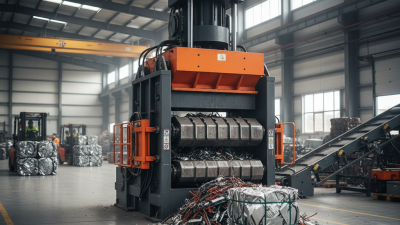
The demand for efficient recycling solutions continues to rise. In recent years, the automatic metal baler industry has seen significant advancements. According to a report by MarketsandMarkets, the global metal baler market is expected to grow at a CAGR of over 5% from 2021 to 2026. This indicates a strong interest in automation and metal recycling technologies.
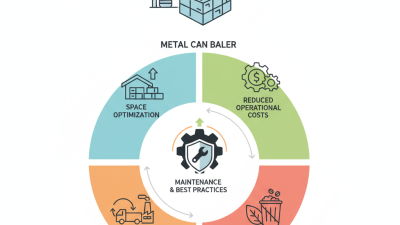
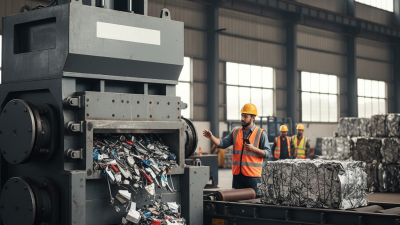
Automatic metal balers are becoming essential in various industries. They streamline operations and minimize labor costs. For instance, a well-designed machine can compress metal scrap into compact bales, improving storage efficiency. However, it is important to evaluate the effectiveness of some innovations in terms of user-friendliness and maintenance requirements.
Despite advances, challenges remain. Not all automatic metal balers are equal in performance or durability. Companies must weigh upfront costs against long-term benefits. As trends evolve, the focus should not only be on automated features, but also on reliability and environmental impact. Continuous improvement in design and function is needed to meet future demands.
Overview of Automatic Metal Balers in 2026
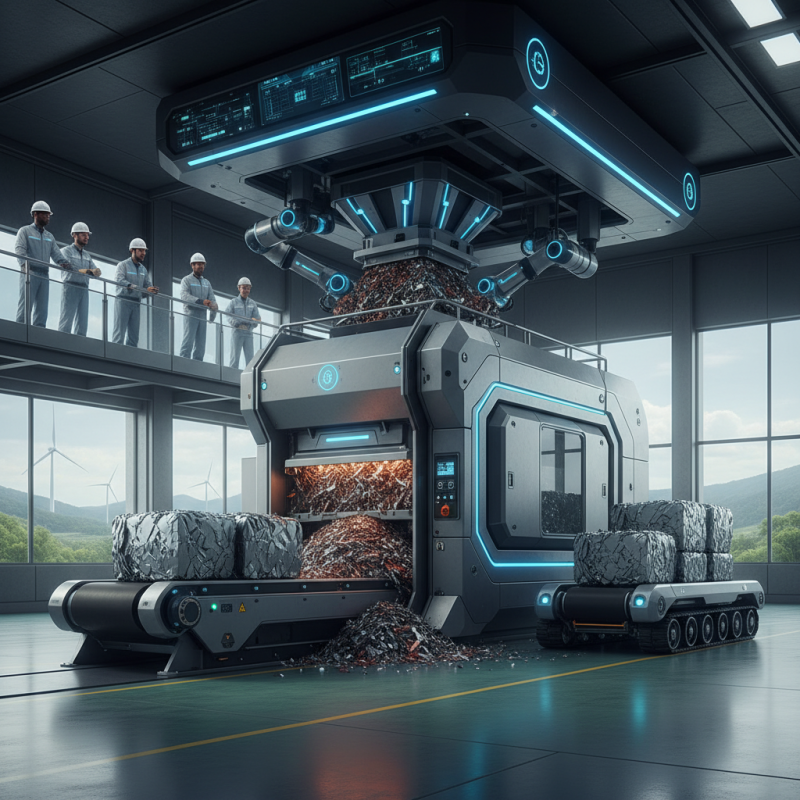
As we look towards 2026, the innovations in automatic metal balers are influencing the recycling industry significantly. These machines have seen design enhancements that improve efficiency and reduce waste, making them more appealing to various sectors. Fabrication processes are becoming more streamlined, allowing for quicker adjustments and repairs. However, the question of durability remains. Are we sacrificing long-term reliability for short-term efficiency gains?
Energy consumption is another key concern. While newer models promise lower energy requirements, the real-world energy savings often fall short. It is crucial to analyze actual performance data over time, as initial claims can sometimes paint an overly optimistic picture. Advanced features like automated controls and integrations with sorting systems are appealing. Still, they may require users to invest in additional training and understanding.
Many facilities are exploring automation but must consider implementation challenges. Integration with existing processes can lead to disruption. Training employees without overwhelming them is essential. Balancing the benefits of automation with the practicality of operation is an ongoing conversation. Stakeholders must remain vigilant, constantly reassessing how these innovations impact both sustainability and operational effectiveness.
Current Trends Shaping Metal Recycling Practices
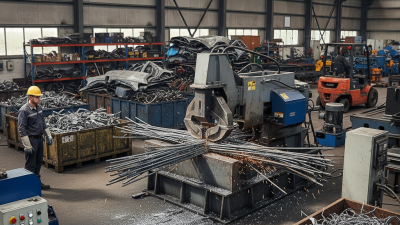
The landscape of metal recycling is evolving rapidly. The focus is now on automation and sustainability. In this context, automatic metal balers have emerged as vital tools. Their efficiency shines through in high-volume operations, streamlining processes and reducing labor costs. These machines help businesses to stay competitive while tackling environmental challenges.
Yet, not all advancements are flawless. Some automatic balers can struggle with diverse metal types. This limitation can lead to downtime. It’s crucial for facilities to assess their specific needs. Operators must balance between speed and quality. Real-life scenarios often highlight this challenge. Simple mistakes can turn into costly delays, prompting the need for continual training and adaptation.
As technology evolves, the recycling industry must adapt as well. Innovations should prioritize flexibility and ease of use. There’s a need for machines that can handle various materials seamlessly. This flexible approach will ensure a more resilient recycling system. Industry players are encouraged to embrace change and reflect on the areas needing improvement.
Technological Advancements in Automation and Efficiency
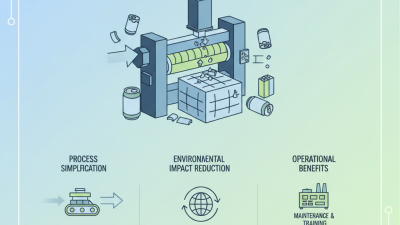
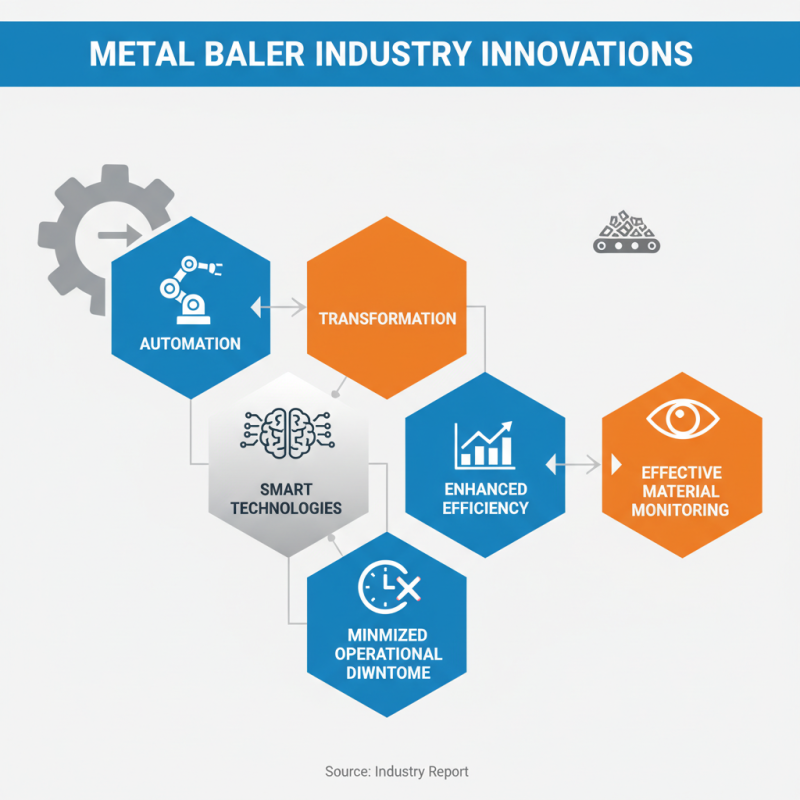
In recent years, the metal baler industry has seen remarkable advancements in automation and efficiency. These innovations bring new capabilities and challenges. Smart sensors play a crucial role. They monitor the baling process, ensuring precision and reducing waste. Automation not only speeds up production but also minimizes manual labor. This shift enables operators to focus on higher-level tasks.
However, the transition to automated systems raises questions. Are the solutions user-friendly? Training programs must evolve to keep up with technology. Employees might struggle with new interfaces or connectivity issues. Maintenance of automated systems can also become complex. Routine checks are essential to prevent downtime. The balance between technology and practical usage often requires reflection.
Efficiency is key, but what about flexibility? Automated processes typically follow a set pattern. Adapting to changing needs is not always easy. Companies must strike a balance between efficiency and adaptability to stay competitive. As the industry moves forward, addressing these concerns will be vital. The future is promising, yet challenges remain on the path to success.
Sustainability and Environmental Impact of New Balers
The advent of automatic metal balers has sparked innovation in sustainability. According to recent industry reports, these machines can reduce energy consumption by up to 30% compared to older models. They play a crucial role in recycling metal waste. By improving efficiency, they help minimize landfill use.
New balers are designed with eco-friendly materials. They are often made from recycled components, reflecting a commitment to reduce environmental impact. Advanced technology optimizes processes, leading to less waste generation. However, there are concerns about the carbon footprint of manufacturing these machines. A balance must be struck between innovation and sustainability.
**Tip:** When choosing a baler, consider energy efficiency ratings. Look for machines that prioritize environmental standards. This will help you make informed decisions.
The shift towards automation may leave some workers behind. While productivity increases, we need to think about job displacement. Training programs can help workers adapt. The industry needs to address these gaps to ensure a sustainable transition for all.
**Tip:** Encourage training initiatives in your organization. Foster a culture of learning to support your team in embracing new technologies.
2026 Top Automatic Metal Baler Innovations: Sustainability and Environmental Impact