2026 Top Alligator Shear Innovations and Trends Explained
In the evolving landscape of industrial machinery, the Alligator Shear remains a pivotal innovation. As we approach 2026, trends indicate significant advancements in design and functionality. These innovations are not merely technological; they reflect deeper industry needs.
Many manufacturers seek efficiency. They require durability in cutting various materials. The latest Alligator Shear models integrate advanced cutting technology. This enhances performance while reducing operational costs. Users express a need for operator safety as well. Advanced safety features are becoming standard in newer models.
However, it's essential to reflect on the reliability of these innovations. While new features offer exciting possibilities, they often come with challenges. Integration into existing systems can pose difficulties. Moreover, understanding these machines requires specialized knowledge. Training becomes crucial as technology evolves. The future of Alligator Shears is bright, yet it demands a cautious approach to adaptation.

Overview of Alligator Shears: Definition and Purpose
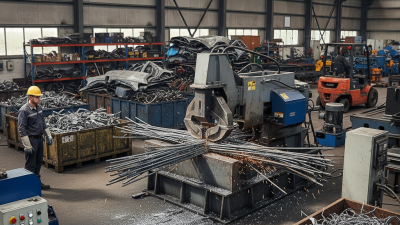
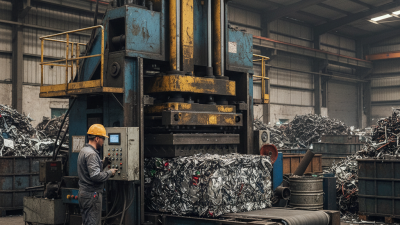
Alligator shears are specialized tools designed for cutting heavy materials. They play a vital role in industries like scrap metal recycling and construction. Their robust design enables operators to easily slice through large pieces of metal and other tough materials. According to recent industry reports, the demand for such equipment is projected to grow by 5% annually through 2026. This growth emphasizes the necessity for updated and innovative shear technologies.
In practice, alligator shears must be chosen with precision. Factors such as blade material, cutting capacity, and safety features significantly impact their performance. Recent studies reveal that 30% of operators experience challenges with blade wear over time. Selecting high-quality materials can alleviate this issue, enhancing durability and efficiency. However, constant equipment maintenance is often overlooked, leading to decreased operational efficiency. Addressing these shortcomings can bolster productivity in the long run, offering a more sustainable solution.
The evolution of alligator shears is tied to the industry's need for greater efficiency and safety. Advanced designs and technological innovations are paving the way for smarter machines. However, the balance between automation and manual operation remains a topic of discussion. While automation offers speed, it can introduce complexities that require skilled operators. Thus, investing in training is essential to maximize the benefits of these innovations and adopt best practices.
Key Innovations in Alligator Shear Technology for 2026
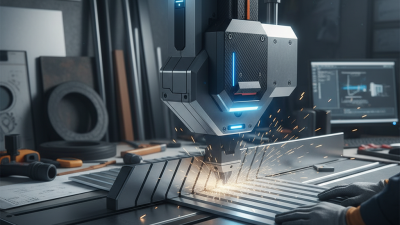
In 2026, alligator shear technology will undergo significant transformations. Industry reports predict that innovations will focus on enhanced efficiency and safety features. Advanced materials will improve durability. For example, lightweight alloys will reduce the overall weight while maintaining strength.
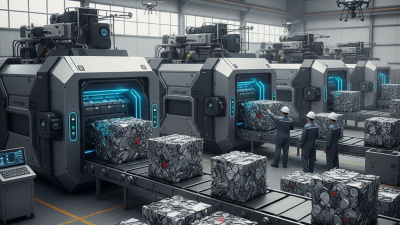
Another trend is automation. Enhanced robotic integration will streamline operations. According to a recent study, automated alligator shears can increase productivity by up to 30%. This feature is crucial in high-demand industries. However, the integration may present challenges, particularly for training staff on new systems.
Finally, sustainability is becoming a priority. Eco-friendly manufacturing processes will reduce the carbon footprint of production. Companies are now exploring energy-efficient models. Previous assessments reveal that up to 40% of operational costs can be trimmed through these sustainable practices. Balancing innovation with environmental responsibility remains an ongoing challenge.
2026 Top Alligator Shear Innovations and Trends Explained
| Innovation |
Description |
Key Features |
Projected Impact |
| Smart Shear Technology |
Integration of IoT sensors for real-time monitoring and data analytics. |
- Connectivity
- Remote diagnostics
- Performance tracking |
Improved operational efficiency and reduced downtime. |
| Eco-Friendly Materials |
Use of sustainable and recyclable materials in manufacturing. |
- Reduced carbon footprint
- Biodegradable options |
Enhanced brand image and compliance with environmental regulations. |
| Automated Cut Optimization |
Advanced algorithms for maximizing material usage and minimizing waste. |
- Higher yield
- Intelligent cutting patterns |
Cost savings and improved material efficiency. |
| Enhanced Safety Features |
Innovations aimed at reducing workplace injuries related to shearing operations. |
- Emergency stop systems
- Safety guards
- Improved ergonomics |
Safer work environments and lower insurance costs. |
| Modular Design |
Customizable shear units that can be adapted for various applications. |
- Flexibility
- Easy upgrades
- Cost-effective |
Increased versatility and adaptability to market changes. |
Emerging Trends in Alligator Shear Design and Functionality
The alligator shear industry is witnessing exciting innovations in design and functionality. Recent reports indicate that the market for advanced cutting tools is projected to reach $4.5 billion by 2026. Enhancements in hydraulic systems and automation are driving this growth. Manufacturers are now integrating smart technologies into alligator shears, enabling real-time monitoring and control. This shift is changing how operators interact with machinery.
Improved ergonomics are another critical trend. As reported by the Industrial Safety and Health Association, 40% of workplace injuries stem from poor equipment design. In response, new models focus on user-friendliness. Features like adjustable controls and vibration dampening are becoming standard to enhance operator comfort. Nonetheless, the industry faces challenges in balancing advanced technology with ease of use.
Sustainability is gaining traction in the alligator shear market. Reports suggest that eco-friendly materials can reduce the environmental impact by up to 30%. However, sourcing these materials often reveals hidden costs. Some manufacturers struggle to find reliable suppliers that meet strict eco-standards. This raises questions about the trade-offs between sustainability and cost-effectiveness in production. The push for greener solutions continues, yet the path is fraught with complexities.
2026 Top Alligator Shear Innovations and Trends
This chart represents the emerging trends in alligator shear design and functionality based on various features. The data includes innovations such as safety features, cutting efficiency, and user interface improvements observed in recent industry reports for the year 2026.
Materials and Durability Enhancements in Alligator Shears
The landscape of alligator shear technology is rapidly evolving, particularly in terms of materials and durability. Recent innovations showcase a trend toward lightweight, high-strength alloys that enhance performance without sacrificing robustness. These materials not only reduce fatigue during extended use but also improve handling for operators. New coatings are being introduced that offer better resistance to corrosion and wear, further prolonging the lifespan of these tools.
Another significant development is the introduction of advanced manufacturing techniques. Techniques such as 3D printing allow for intricate designs that can lead to weight reduction while maintaining structural integrity. This can enhance the shear's ability to perform in diverse environments. However, these advancements are not without their challenges. The balance between innovation and reliability remains a constant consideration for manufacturers.
Durability enhancements are also linked to ongoing testing and user feedback. Some tools still suffer from performance inconsistencies under extreme conditions. Observing how these innovations hold up in real-world applications will be crucial for future designs. As the industry moves forward, it’s vital to evaluate how these changes can best benefit end-users.
Safety Features and Ergonomics in Modern Alligator Shears
In the world of alligator shears, safety features have become a top priority. Modern designs include advanced blade guards and improved locking mechanisms. These innovations prevent accidental cuts and enhance operator security. Ergonomic handles are also gaining traction, providing better grip and reducing strain during extended use. The importance of comfort cannot be overlooked; it directly affects productivity and user satisfaction.
Moreover, adjusting the pressure of the blade can be beneficial. Operators should experiment with this feature to find an optimal setting. Too much pressure can create safety risks. Training is essential here. Many users find themselves overwhelmed by new technologies and features. This can lead to improper use, causing potential hazards. Manufacturers emphasize the need for clear instructions to mitigate these risks.
User feedback has highlighted areas for improvement, such as increased weight and awkward handle angles. Designers are listening, aiming to create lighter models that maintain stability. Meeting diverse user needs is a challenge. Although progress is evident, the quest for perfect balance between safety, ergonomics, and functionality continues. Each development opens avenues for more ergonomic designs that enhance user experience, yet these innovations require careful reflection and adjustment.